
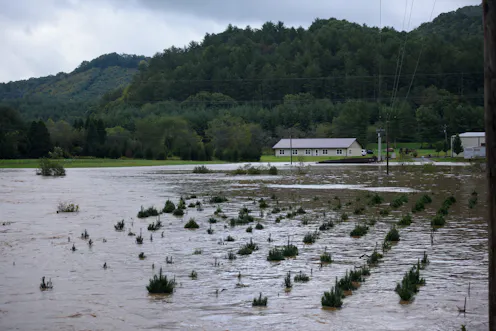
If your area experiences a 1,000-year rainfall event, don’t assume that you’re off the hook for the next 999 years.
- Professor of Atmospheric Science and Colorado State Climatologist, Colorado State University
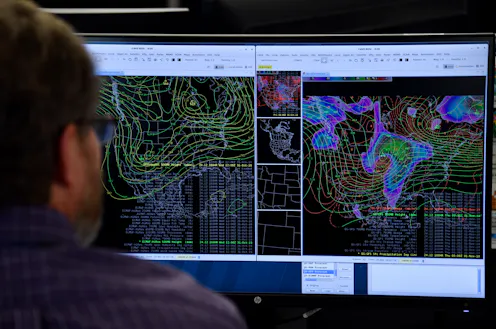
Would you trust a weather forecast made by a machine that had learned how weather systems behaved by reviewing thousands of past weather maps?
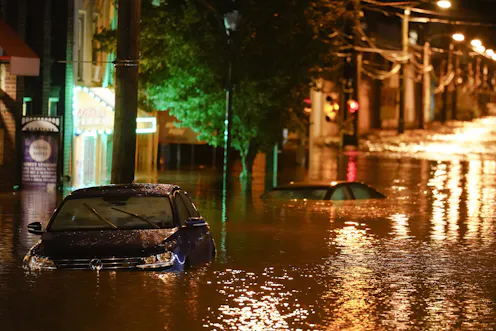
Aumenta la evidencia de que, a medida que el clima se calienta, la cantidad de precipitación de las fuertes tormentas está aumentando, especialmente en el centro y este de Estados Unidos.
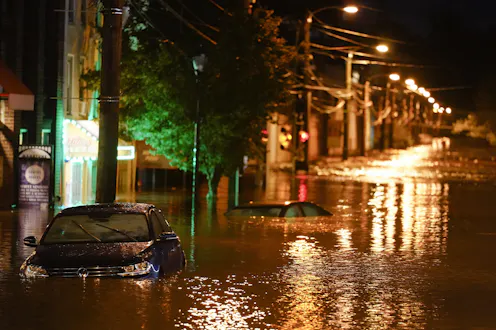
Evidence is mounting that, as the climate warms, the amount of rain falling in heavy storms is increasing, especially in the central and eastern US.

The US is shifting to a new set of climate ‘normals’ – data sets averaged over the past 30 years. But normal is a relative concept in a time of climate change.
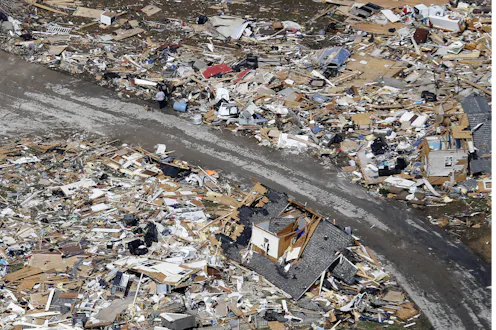
With the onset of spring come thunderstorms, and sometimes tornadoes. Learn how these systems form and why night tornadoes are especially deadly.
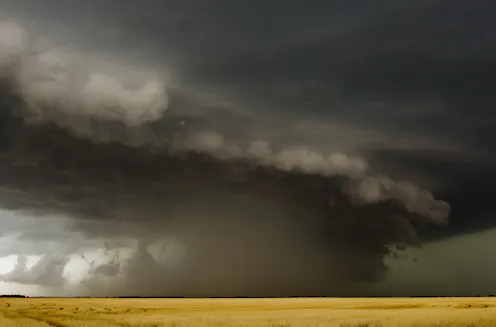
Hurricane and tornado winds spin in circles, but there’s another, equally dangerous storm type where winds barrel straight ahead. They’re called derechos, and are most common in summer.
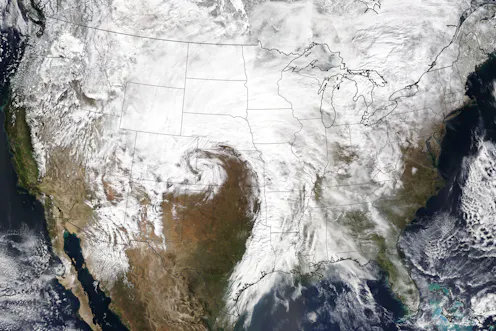
What creates such dramatic storms across the US Great Plains? The key factors are topography and temperature differences.
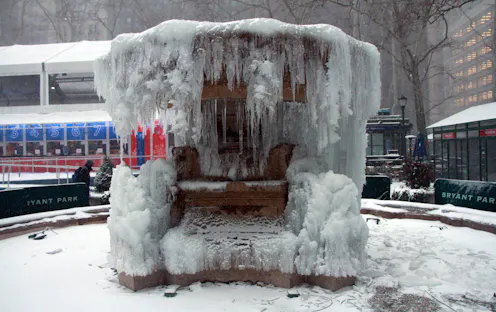
What raises a common winter storm to the level of ‘bomb cyclone’? It’s all about rapid, sharp changes in atmospheric pressure – and the scientists who coined the term meant to highlight their power.
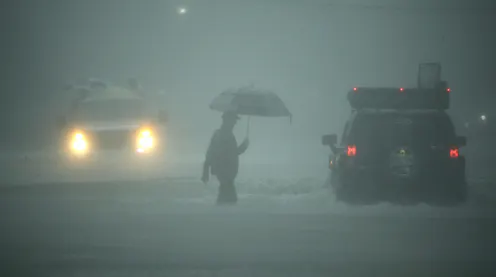
An expert in extreme weather events explains why the rain – and thus flooding – associated with Hurricane Harvey has been ‘unprecedented.’
Contact Russ for
- General
- Media request
- Speaking request
- Consulting / Advising
- Research collaboration
- Research supervision
- Location: Fort Collins, Colorado, U.S.
- Website
- X (formerly Twitter): @russ_schumacher
- Article Feed
- ORCID
- Joined
