
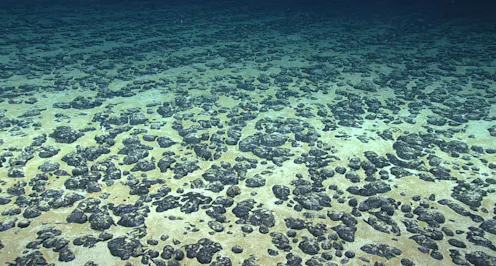
Access to fossil fuels drove the definition of nations’ sovereignty over submarine continental extensions. Now we need an agreement about how we use mineral resources on the ocean floor.
- Professor of tectonics and geophysics, Te Herenga Waka — Victoria University of Wellington
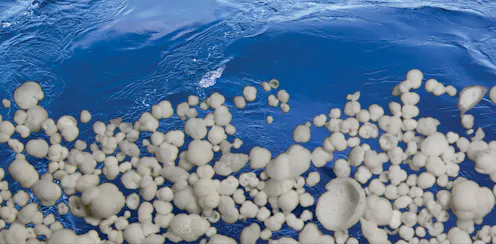
Cangkang plankton menyerap karbon ke dasar laut ketika mereka mati. Proses ini memiliki nilai penyimpanan karbon tertinggi, dan bisa meningkat saat dunia menghangat, sebagaimana terjadi di masa lalu.
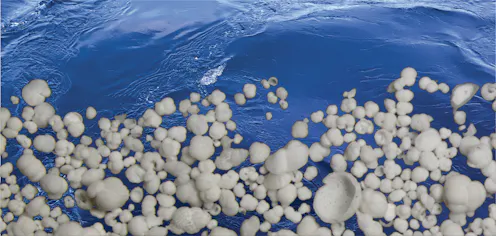
Tiny seashells draw carbon to the ocean floor when they die. This is the most significant geological process of carbon storage today, and it might increase in a warmer world, as it did in the past.
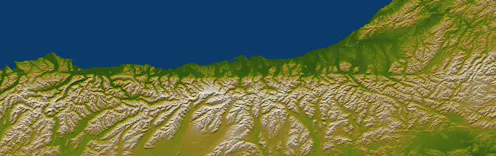
New Zealand’s Alpine Fault has ruptured in a major earthquake on average every 250 years. New research shows a 75% chance of the next one within 50 years, and it’s likely to be magnitude 8 or more.
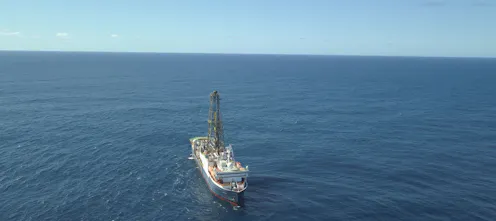
Our expedition drilled into the recently discovered underwater continent of Zealandia, revealing a new picture of the violent geological forces that created it.
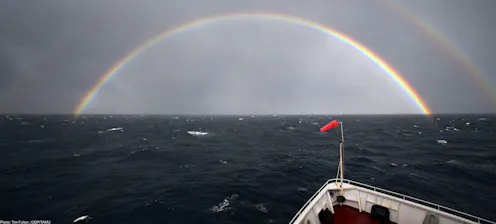
We have better maps of the moon than Earth’s newest continent, Zealandia. That’s about to change as an international expedition probes the vast undersea plateau of continental crust.
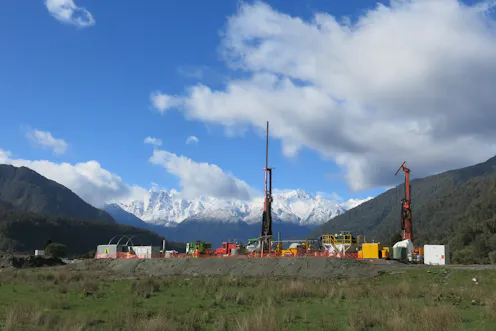
An international team discovers extreme underground conditions at New Zealand’s Alpine Fault, which is due to rupture in a major earthquake in the next few decades.
Contact Rupert for
- General
- Media request
- Speaking request
- Consulting / Advising
- Research collaboration
- Research supervision
- Location: Wellington, New Zealand
- Website
- Article Feed
- ORCID
- Joined
