

The government’s approach to saving Tomago offers a blueprint for other interventions to future-proof industry, such as at Whyalla.
- Emeritus Professor of Innovation, University of Technology Sydney

Australia spends less on research and development than most of the developed world, and our productivity growth is the lowest in decades.

For the first time, some ideas for reform have been crowdsourced from across the Australian community. Here are a few of the best ideas.

New innovations and technological advances are needed to lift Australia’s flagging growth and productivity.

The Productivity Commission seems to be against manufacturing, even the making of batteries using local materials. The new team at the top might help it think more broadly.

The fate of Australia’s car industry shows the danger of prioritising what worked in the past over what will work in the future
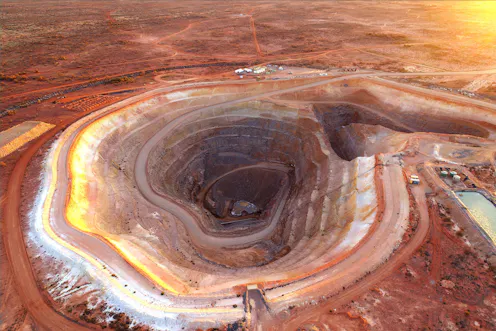
Innovation and industry policy is receiving the least attention just when it may matter most to our economic future.

The Australia 2030: Prosperity Through Innovation report offers five “imperatives for action”: Education, Industry, Government, Research and Development, and Culture and Ambition.
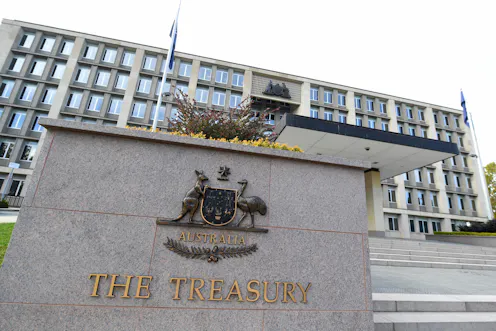
Spurring productivity growth requires innovation. Not just in products, but in our business models and management practices.

Since the 1990s productivity has been slowing in Australia and elsewhere. We aren’t really sure why this is, but here are a couple of theories that could explain it.
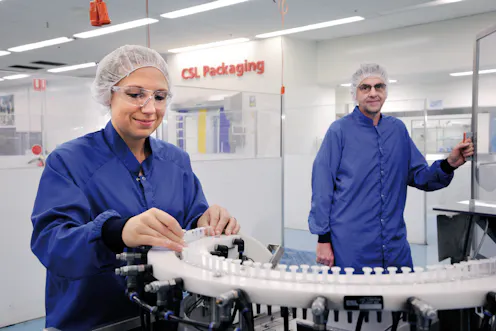
Policies for encouraging research, development and startups are good but both major parties need to move beyond this to help Australia innovate.

We have to look very hard to find the “ideas boom” in this budget.
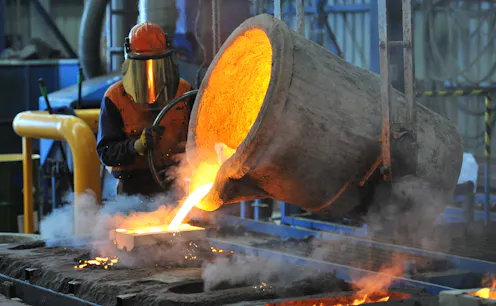
Steelmakers like Arrium need to move away from commodities and invest in steel products in growth industries.
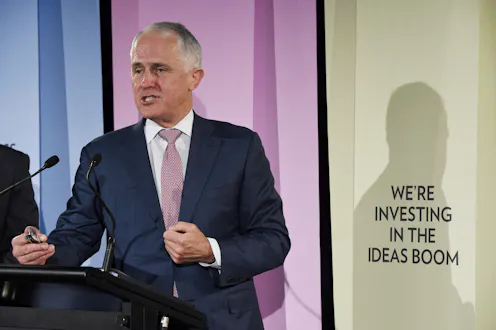
The government’s innovation agenda is heavy on incentives for startups and entrepreneurs.
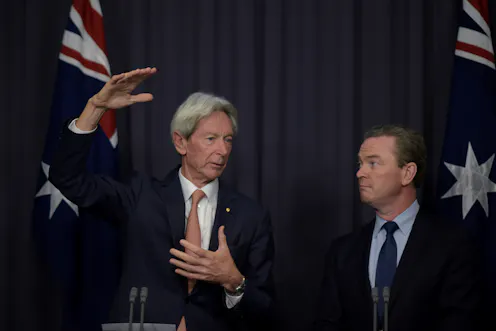
Transforming Australia into an innovation powerhouse will require overcoming these 10 key challenges.

More than 60 Australian government reports have identified direction, planning and leadership as keys to creating an innovative nation. Here’s five things other countries have done to lead the way.

Australia has many celebrated examples of world innovation, but ensuring this continues in a systematic way, has proven elusive.

There is a future for manufacturing in Australia - but we need to follow some international lessons to build a competitive knowledge-based economy.

The consequences of digital disruption on one of government’s largest and iconic enterprises, Australia Post, are impossible to ignore. Now, it’s adapt or perish.
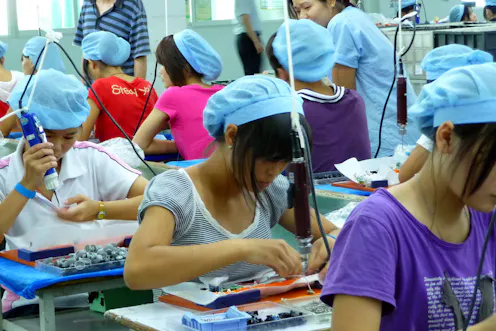
Once the world’s factory, China is shooting up the innovation rankings. There are important lessons there for Australia.
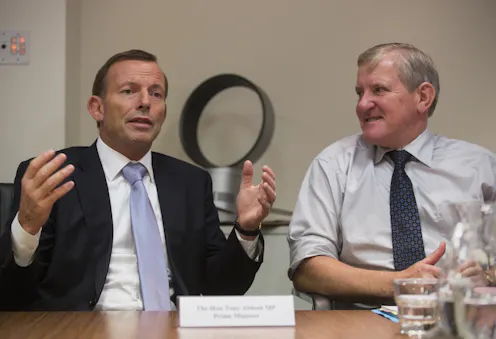
With major employers heading offshore and employment numbers decimated, what will emerge from the ashes of Australia’s manufacturing industry? And what role should manufacturing play in the federal government’s…

This year’s news on Australia’s global innovation ranking could be a lot worse, and probably will be in the future if the Federal Government gets its way with proposed budget cuts to our already inadequate…

Every year the Productivity Commission (PC) produces an annual report card on Australian government assistance to industry. And every year it singles out the “usual suspects” for attention, particularly…

In the wake of the proclaimed “budget emergency”, should we get ready for the “innovation emergency”? With fewer resources, Australia’s public sector will not achieve its performance targets by working…

The 2014 Budget has been variously celebrated and reviled as a “budget for corporate Australia”. But this assessment is based on the premise that corporate tax cuts and infrastructure spending will provide…
Contact Roy for
- General
- Media request
- Speaking request
- Consulting / Advising
- Research collaboration
- Research supervision
- Location: Sydney, Australia
- Website
- X (formerly Twitter): @ProfRoyGreen
- Article Feed
- Joined
