
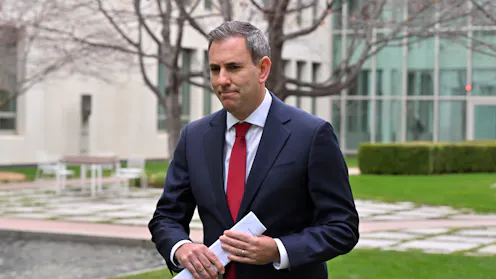
To keep government spending under control, stronger rules and targets are needed. These should be on the agenda at the treasurer’s upcoming roundtable.
- Emeritus Professor of Economics (Griffith University) and Teaching Associate (University of Queensland), Griffith University

Modern Monetary Theory is suddenly popular because it implies governments can spend as much as they need to. But that spending comes with risks.

We need a frank public conversation about the full economic costs versus benefits of social distancing.
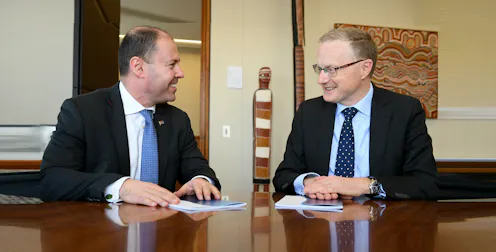
Every one of the 13 economists surveyed by The Conversation thinks more stimulus is needed. None think it should all come from the Reserve Bank. Most think the budget surplus can wait.

Bill Shorten’s promise to tighten the visa system for short-term skilled migrants won’t do anything for local jobs or wages.

There’s a move to have economists acredited, like dentists. But it doesn’t have much support yet.

Everyone is better off under the superannuation guarantee levy, but low and high income earners see a greater benefit than those in the middle.

Comparing companies that receive a tax cut with those that don’t isn’t the right methodology to conclude that tax cuts create more employment or higher wages.

Business leaders some sectors are feeling less positive about the year ahead because consumers are spending less, according to our analysis of the outlook of leaders of Australia’s ASX 200 companies.

On Q&A, Australian Chamber of Commerce and Industry chief executive James Pearson said almost 60% of small business owners in Australia are paid $50,000 or less. Is that right?
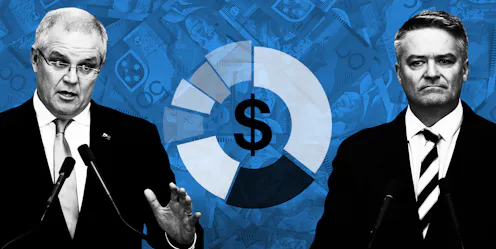
Seven charts on the highlights from the government’s mid year update of the budget.

It’s not just individuals who pay for low financial literacy. It also increases financial risks and holds back the economy.

There are two ways that international competition can reduce wages. Both are effects of globalisation.
The sentiment of business leaders has remained positive and improved over the past 12 months according to our analysis.

While you can’t say one retirement system is better than the other, Australia can learn a lot from New Zealand’s simpler and more flexible system.

Countries that have similar banking levies have seen them passed on to customers.

The budget is full of forecasts about where the economy is going, but other indicators are often more helpful.

Face Value analyses the sentiment of business leaders in ASX top 100 companies and for 2017 it seems positive, although sometimes highly opinionated.

A handful of our business economics writers share the favourite books they read this year.
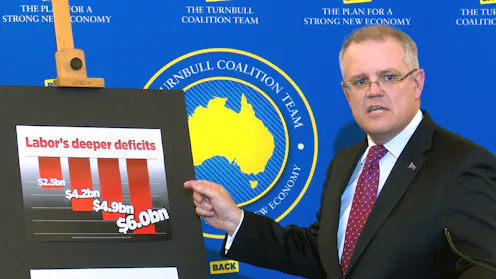
Economist Ross Guest unpacks some of the key numbers in the government’s mid year budget update, with seven charts.

A Parliamentary Budget Office report shows just how much the NBN might cost the taxpayer.

Australia’s economic indicators are showing worrying signs, with business confidence falling in the face of continued low interest rates.

The government has agreed to report some budget numbers on a per capita basis. But there’s a lot more to do in how we talk about numbers.

In the battle against slow economic growth, perhaps the government and Reserve Bank should try doing nothing and let the economy restore itself.
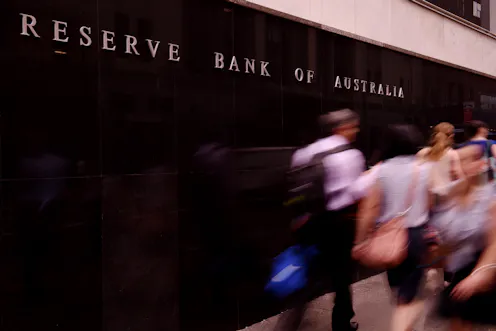
Independent Senator Nick Xenophon wants the RBA to focus on economic growth, and he’s not alone.
Contact Ross for
- General
- Media request
- Speaking request
- Consulting / Advising
- Research collaboration
- Research supervision
