
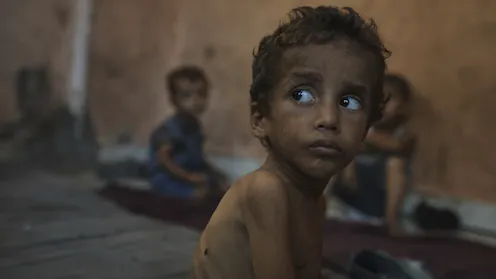
An Indigenous scholar explains how starvation was used to acquire the lands of Indigenous peoples. Her great-grandparents experienced ‘starvation winter’ on the Blackfeet reservation.
- Professor of History, University of Illinois Urbana-Champaign
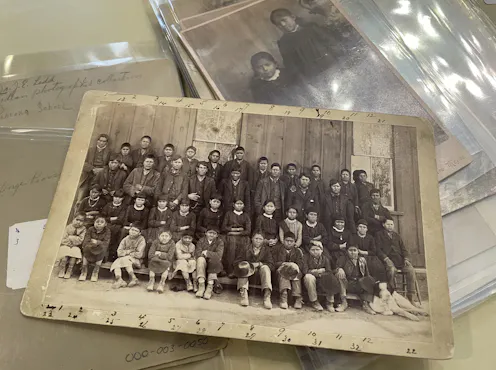
From the 19th to 20th century, Native children were physically removed from their homes and put into boarding schools. A scholar asks if that was genocide.
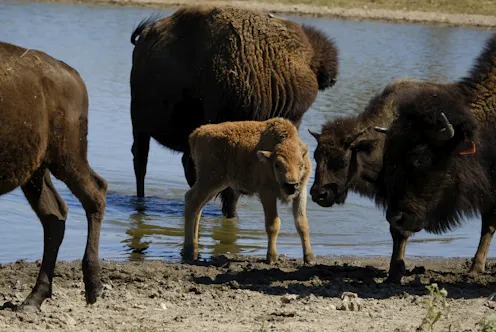
Efforts are being made to develop the capacity of Native tribes to manage bison and bison habitats. An Indigenous scholar explains their sacred significance.

La región de Maui ha sido venerada por sus pueblos indígenas como lugar sagrado durante generaciones. Se cree que es el hogar de Kihawahine, una mujer que se transformó en diosa.
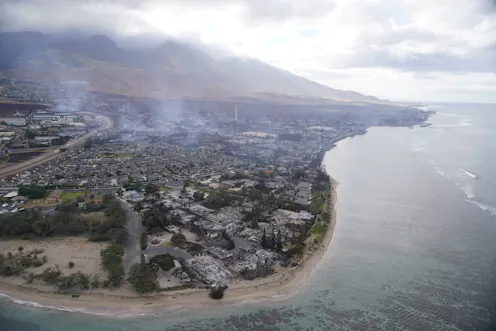
The region of Maui has been revered by its Indigenous peoples as a sacred place for generations. It is believed to be the home of Kihawahine, a woman who transformed into a goddess.
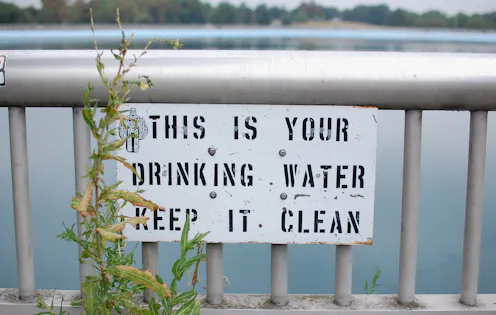
A webinar hosted by The Conversation brings together experts in law, health, policy and Indigenous affairs to explain some of the most pressing problems related to water in the US.
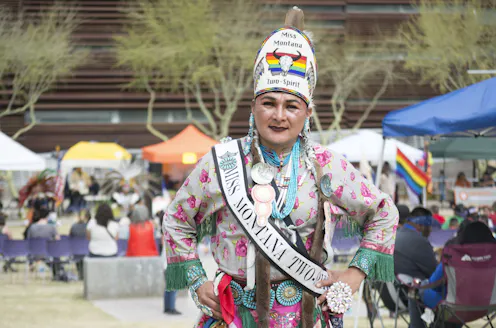
An Indigenous scholar writes that Indigenous peoples have historically recognized multiple gender identities, which they believe are a result of divine intervention.
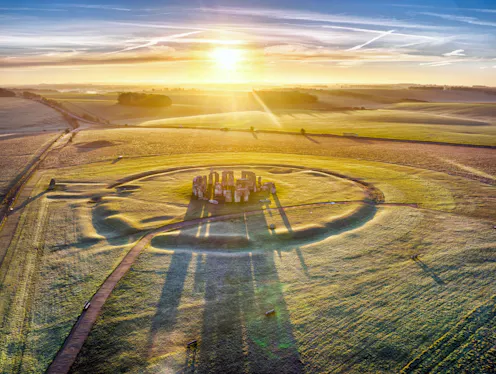
The dead of winter, when the longest night of the year takes place, has also traditionally been celebrated as a time of renewal and reverence.
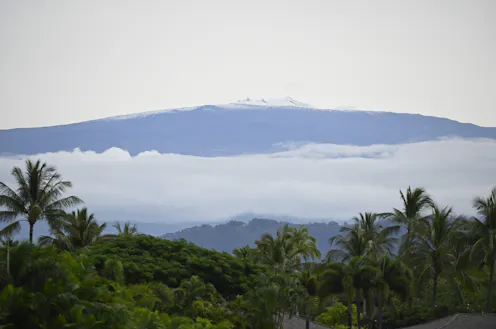
Native Hawaiians see Mauna Kea mountain as sacred. Scientists use its summit for research. A new policy called co-management may help resolve this land conflict and similar ones across the US.
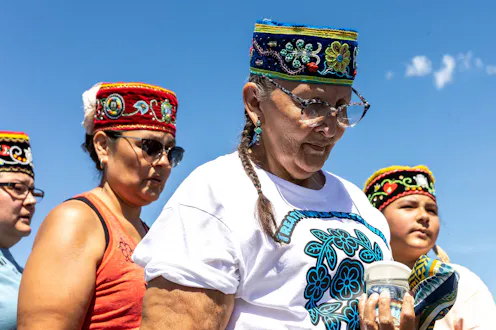
Native Americans have long struggled to practice their spiritual rituals and protect their landscapes. Crackdowns on Indigenous protests could further erode the free exercise of their religions.
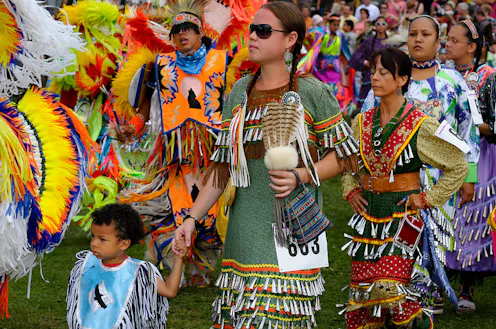
Historically, indigenous people celebrated a girl’s transition to womanhood with a year-long ritual. Many such ritual practices were made ‘illegal’ by the US and Canadian governments.
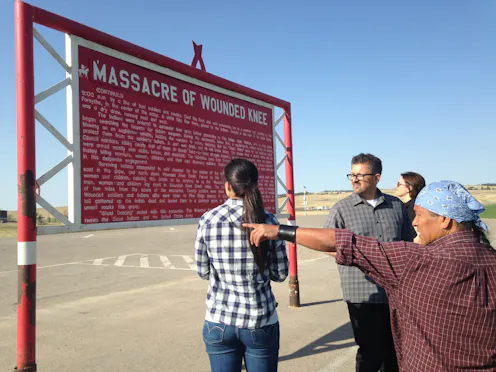
Wounded Knee is among the worst massacres in Native American history, when in 1890 the US military shot and killed 146 unarmed men, women and children in South Dakota.
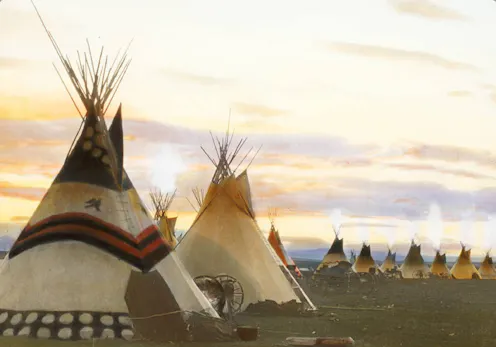
For indigenous peoples, winter solstice has been a time to honor their ancient sun deity. Their rituals reveal a deep understanding of the natural world.
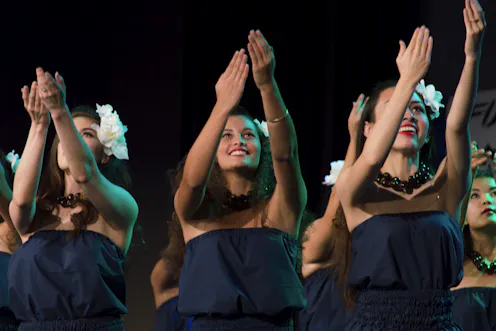
Many Native languages are dying, and their loss has deep and profound implications for our world.
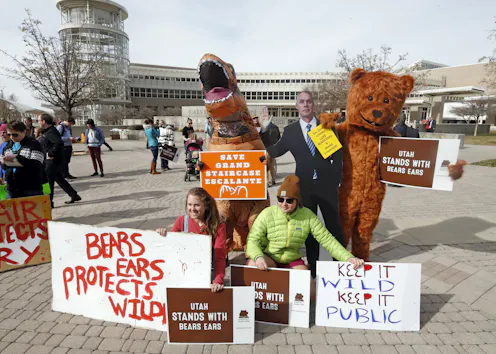
Despite the American Indian Religious Freedom Act, passed by the US Congress 40 years ago, Native Americans still struggle to protect public lands where they practice their religions.
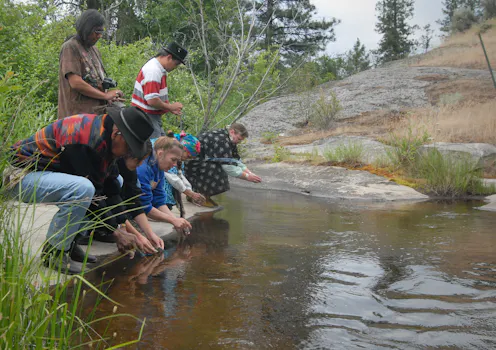
Indigenous people from around the world revere certain traditional foods as sacred. Activists, scholars and chefs are revitalizing these food systems.
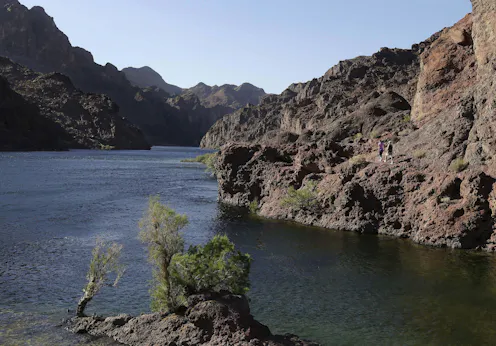
On Indigenous Peoples’ Day, a Native American scholar explains why water means more than just sustenance for life and how it’s the place of the divine.
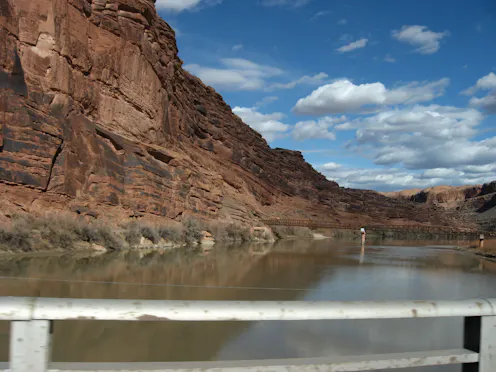
Historically, indigenous peoples used the natural seasonal cycles of weather, plants and animals as part of their religious calendar. What will be the impact of climate change on their practices?
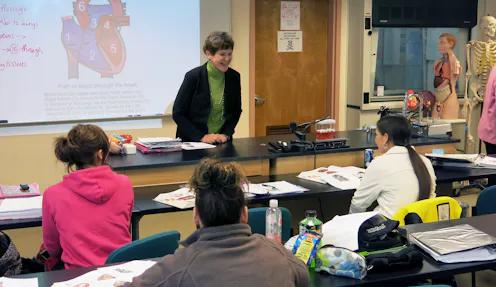
Native American scholars joined in the global March for Science. Their science blends seamlessly with beliefs.
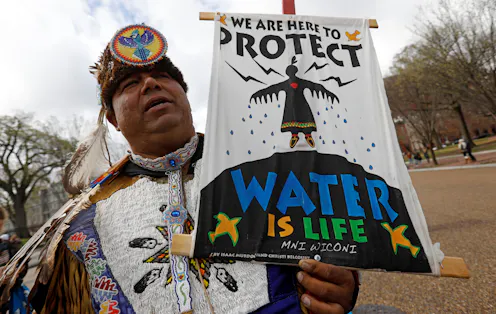
For the Blackfeet, Lakota and other Native American people, water does more than sustain life – it’s the place of the divine.
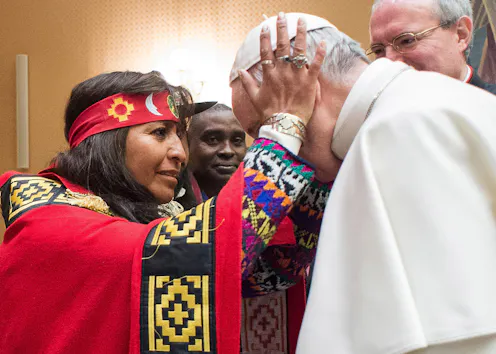
Pope Francis appears to have defended Native American protests on the North Dakota pipeline issue. Indigenous cultures have a right to defend ‘their ancestral relationship to the Earth,’ he said.
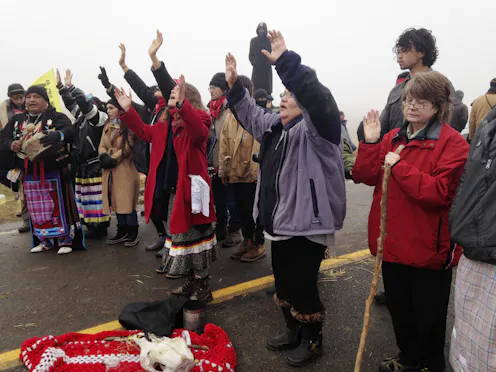
Thousands of people, both those within Native American communities and their non-Native allies, felt called to go to Standing Rock. What was the motivation?
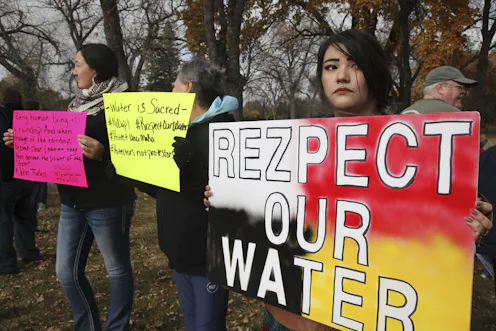
A scholar explains what makes landscapes sacred in Native American religion and why there needs to be a better understanding of the ties to the land.
Contact Rosalyn for
- Media request
- Speaking request
- Location: Urbana, Illinois, U.S.
- Website
- X (formerly Twitter): @rozlapier
- Article Feed
- Joined

