
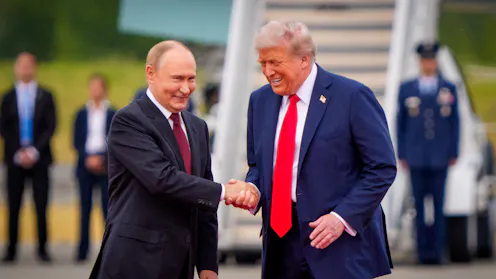
For all the talk of security guarantees for Ukraine, the peace being looked at by the US president looks to be aligned with that desired by his Russian counterpart.
- Professor of History and Political Science, University of Michigan
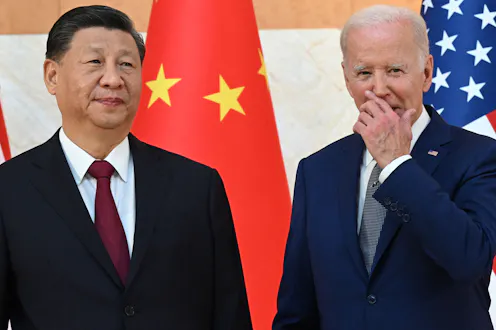
Scholars writing for The Conversation take a deeper look at some of the issues expected to be on the agenda when the leaders of the world’s two biggest economies meet.
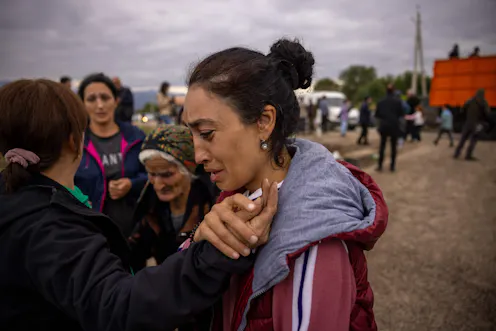
The collapse of the self-proclaimed republic ushers in a new reality in the South Caucasus. For Armenia, the first concern is how to accommodate the needs of 100,000-plus refugees.
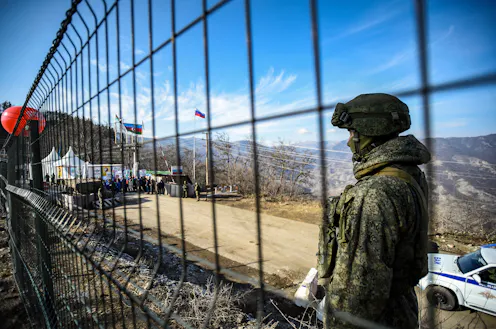
The 120,000 residents of the disputed region are being deprived of food and medicines after a crucial link to Armenia was cut off by Azerbaijan.

Leaders of the Western military alliance meet in Lithuania with the ongoing war in Ukraine as a backdrop.
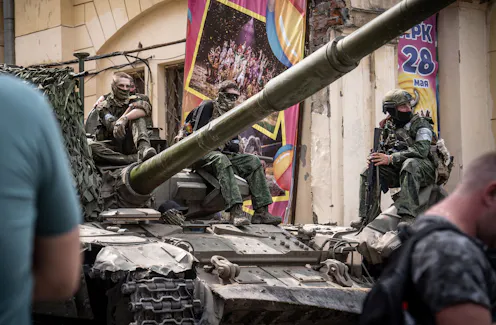
A historian explains how Russian President Vladimir Putin, weakened by a short-lived mutiny, might find a path to peace with Ukraine.
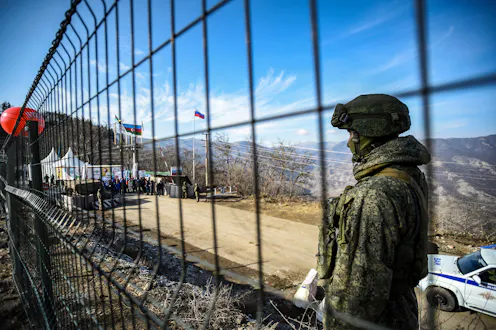
Renewed fighting in the South Caucasus has some wondering, “Where are the great powers?”
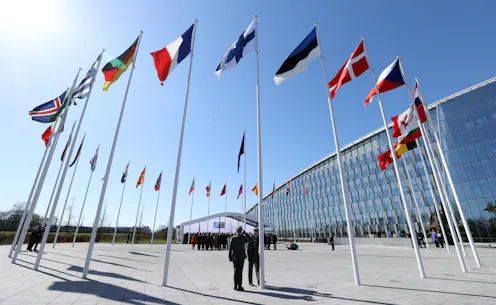
A historian looks at the steps leading up to Finland joining the Western strategic alliance – and what that means for small nations elsewhere.
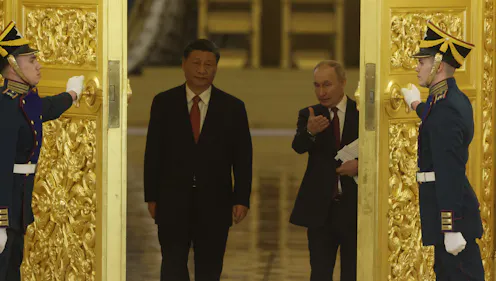
The setting was grand, so too was the plan. But behind the peace plan put forward by China and welcomed by Russia, is the question, what do both nations seek?
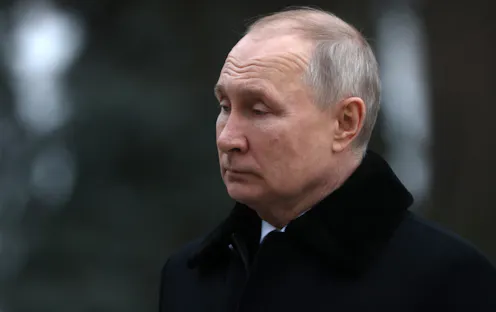
A year into the war in Ukraine, a historian reflects on how it has affected the geopolitical environment.
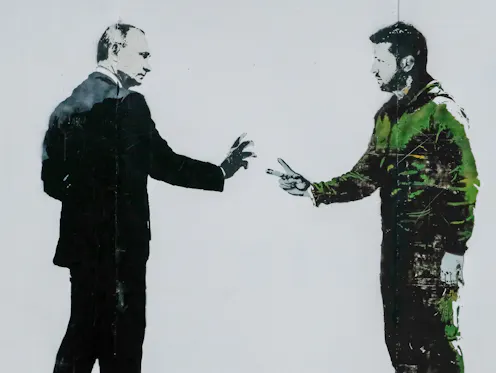
People understand the world through the stories they are told and tell, a historian writes. In the case of the war in Ukraine, narratives can create problems.
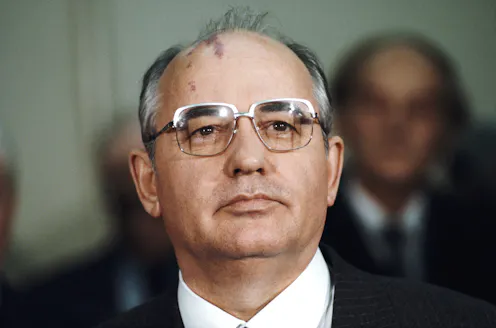
Mikhail Gorbachev died at 91 on Aug. 30, 2022. A historian of the Soviet era assesses his impact and the consequences of his failed attempts to reform state socialism.
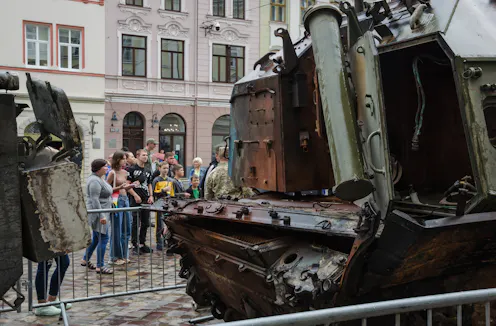
Hay pocas ganas en ambos lados de llegar a una solución negociada. Pero en esta guerra de desgaste, el tiempo y el peso de la geografía y la población están del lado del agresor. Rusia puede sobrevivir a sus oponentes y a Occidente. Y la amenaza nuclear lo eclipsa todo.
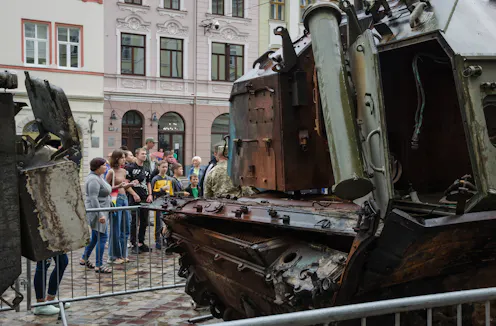
Democratic nation-states were supposed to be the legitimate successors of empires. It hasn’t quite worked out that way in the past century, and Russia’s war on Ukraine is a reflection of that.
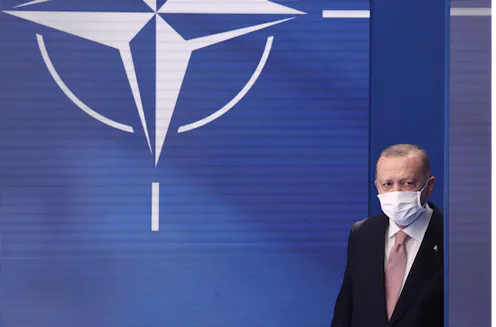
Turkish president Recep Tayyip Erdogan is against allowing two Nordic countries to join NATO over what he deems their support of ‘terrorists.’ His opposition will test the alliance’s unity.
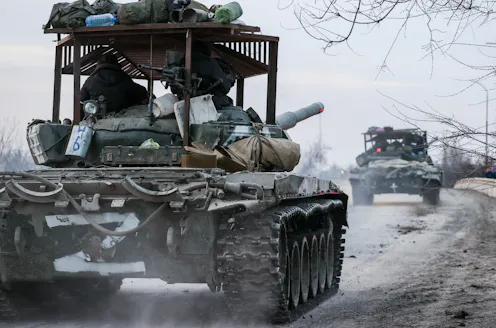
Lost in the outrage over Russia’s invasion of Ukraine is the fact that many in the West have long warned that widespread NATO expansion into Eastern Europe could spark just such a conflict.
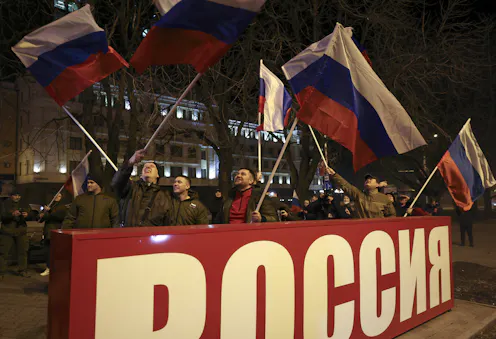
History has many uses, and not all of them are noble. That’s very much the case as the public gets a crash course from politicians about Ukrainian history.
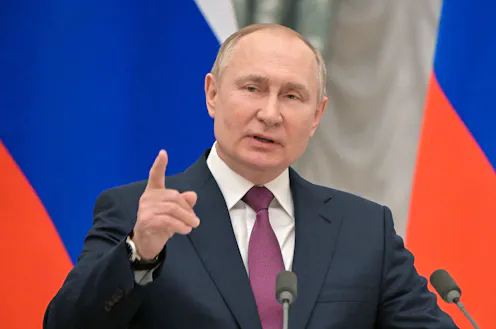
A scholar of Russian history breaks down what Putin’s aim might be in threatening military invasion, and why that might backfire.
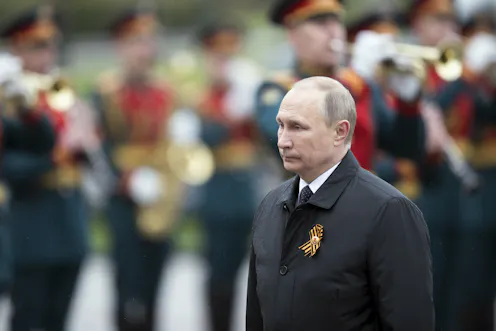
A historian takes us beyond the noise in Washington and examines how US and Russian power and interests compare.
Contact Ronald for
- General
- Media request
- Speaking request
- Consulting / Advising
- Research collaboration
- Research supervision
- Location: Ann Arbor, Michigan, U.S.
- Article Feed
- Joined
