
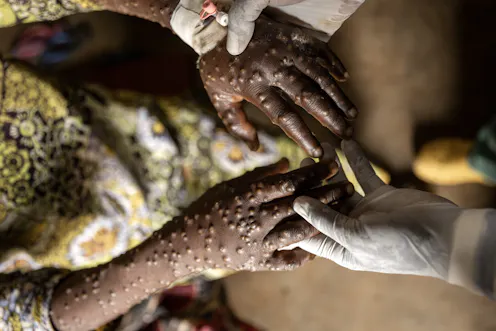
We can’t rely on rich countries to donate mpox vaccines. Here’s what we need to do instead.
- Professor and Distinguished Research Chair, Globalization and Health Equity, L’Université d’Ottawa/University of Ottawa

Waiving patent rights on COVID-19 vaccines and drugs is still crucial to ensure access globally, but the waiver on the table at the June World Trade Organization meeting doesn’t do the job.
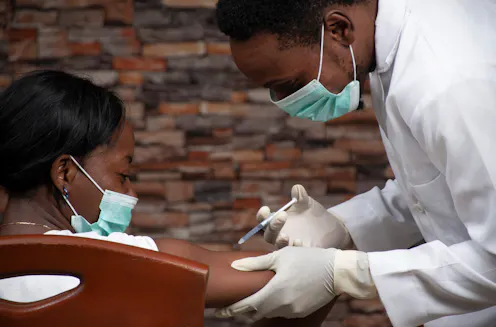
A transcript of The Conversation Weekly podcast episode #3.
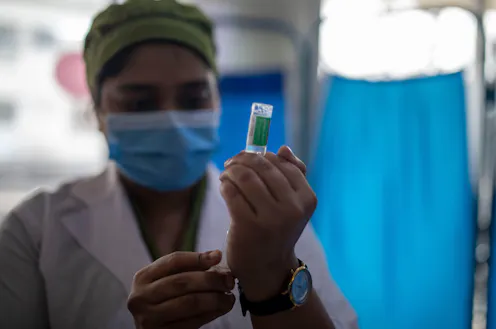
Plus new research on why China is closing down coal-fired power stations. Listen to episode 3 of The Conversation Weekly.

A waiver on some intellectual property rules at the WTO for COVID-19 vaccines would ensure more equitable access, but wouldn’t solve all the problems facing developing countries.
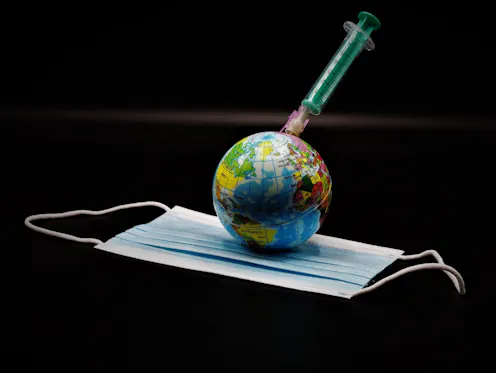
The TRIPS waiver makes COVID-19 treatments more accessible globally by enabling manufacture and distribution of COVID-19 drugs and medical supplies that would normally be protected by patents.

Les pays riches, comme le Canada, achètent plus de la moitié de l’offre mondiale de vaccins à court terme.
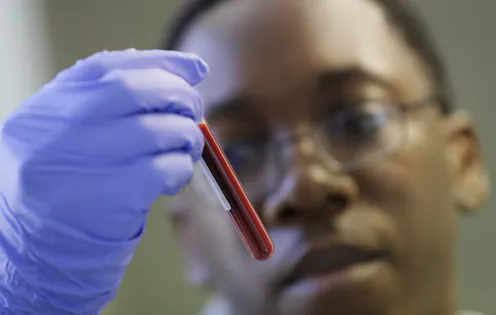
With $1 billion in advance purchase agreements for COVID-19 vaccines, Canada has joined the vaccine nationalists: rich countries buying up more than half the global short-term supply of vaccine.
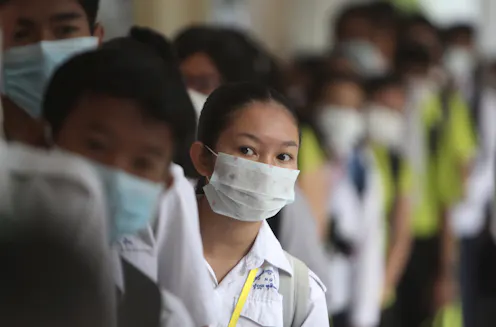
L'épidémie de coronavirus en Chine fait craindre une prochaine grande pandémie mondiale. Alors que l'OMS déclare une urgence mondiale, elle alimente également une pandémie de peur.
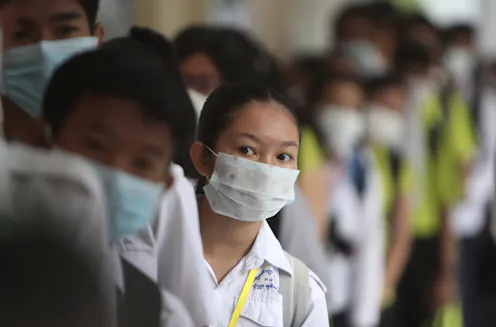
China’s coronavirus outbreak is stoking fears that it could become the next great global pandemic. As the World Health Organization declares a global emergency, it’s also fanning a pandemic of fear.
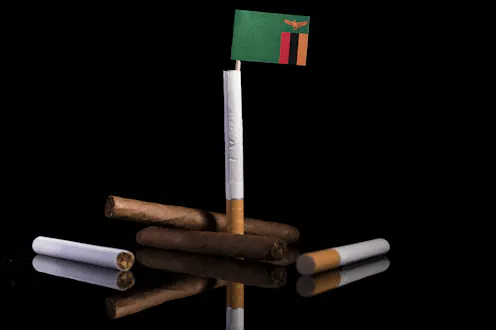
As Zambia’s case study shows, the benefits of boosting investment in cigarette manufacturing run the risk of being wiped out by the health and economic development costs of increasing smoking.
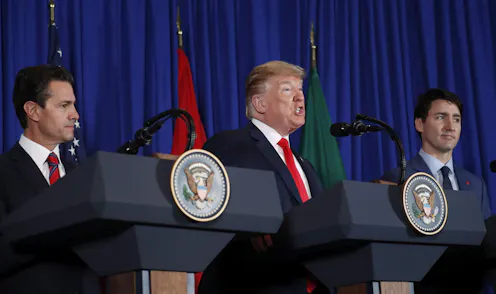
The collective public health of Canada, the United States and Mexico will take a hit if the new NAFTA becomes law.
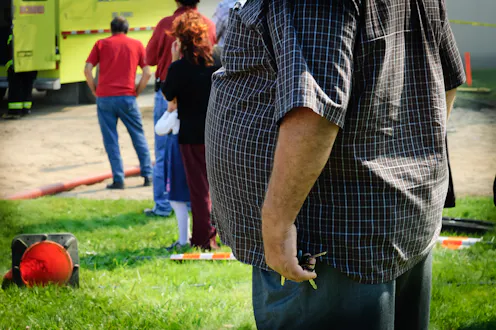
The U.S. is vehemently opposed to Canada’s intention to put labels on unhealthy processed foods. Here’s why Canada should continue to stand its ground during NAFTA renegotiations.
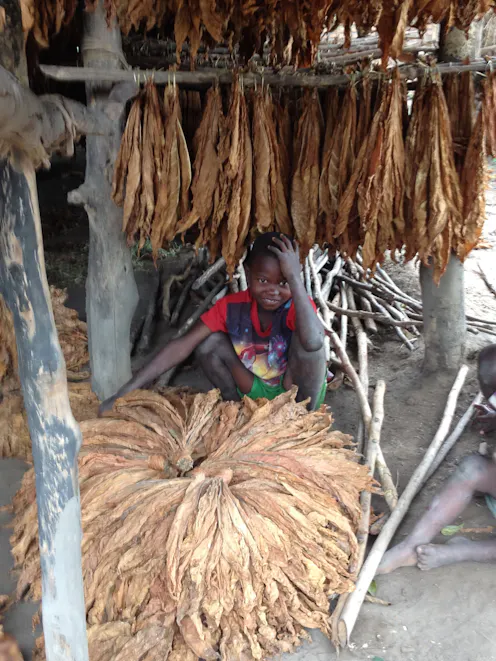
The tobacco industry claims that tobacco- growing is essential to the livelihoods of millions of small-scale rural farmers in Malawi, Zambia and Kenya. Research shows that’s untrue.
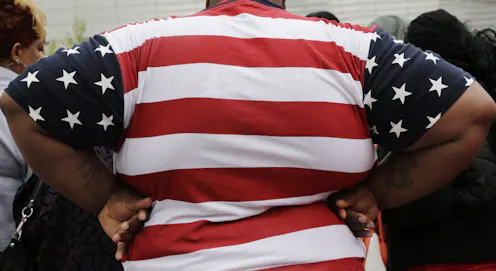
As government representatives meet at the WHO global conference on noncommunicable diseases in Uruguay this week, their focus should be on reducing the health impacts of trade deals.

NAFTA renegotiations may see provisions from the Trans-Pacific Partnership revive like zombies. We must remember their failures - on income inequality, labour and environmental protection.

It’s often said the medical tourism can help support public health systems in developing countries. But that often isn’t the case.
Contact Ronald for
- General
- Media request
- Speaking request
- Consulting / Advising
- Research collaboration
- Research supervision
- Location: Ottawa, ON, Canada
- Website
- X (formerly Twitter): @LabonteRonald
- Article Feed
- ORCID
- Joined
