
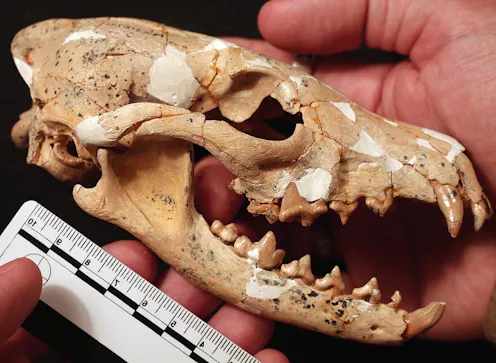
Jackals appeared and established themselves in Africa in at least the last five million years. These animals have evolved and adapted to the changing environment, allowing them to survive.
- Curator of Cenozoic Palaeontology, Research and Exhibitions, Iziko Museums of South Africa; Honorary Research associate Department of Biological Sciences, University of Cape Town

The teeth and limb bones we studied help to understand the role and lifestyle of these species in extinct ecosystems.
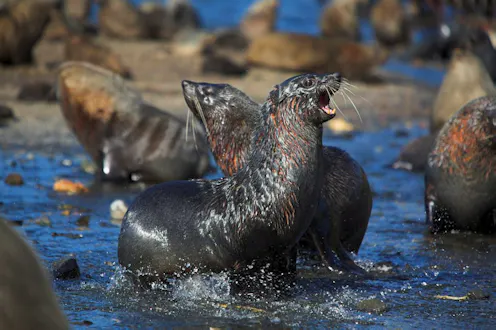
Climate and sea level changes over time have led to the disappearance of the true seals, although these mammals still exist in the Antarctic.
Contact Romala for
- General
- Media request
- Speaking request
- Consulting / Advising
- Research collaboration
- Research supervision
- Location: Cape Town, South Africa
- Website
- X (formerly Twitter): @Iziko_Museums
- Article Feed
- ORCID
- Joined
