
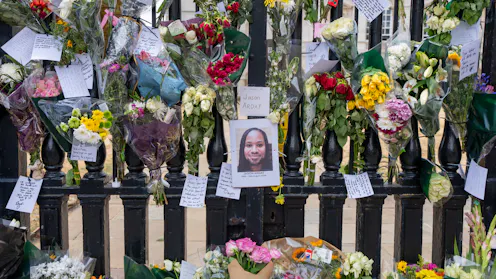
As recentes renúncia e morte de Jason Arday, jovem professor negro da Universidade de Cambridge, constituem o capítulo mais recente de uma disputa secular sobre originalidade e propriedade intelectual
- Associate Dean and Feinstone Interdisciplinary Research Professor, University of Memphis

The resignation and death of the Cambridge professor is the latest chapter in a centuries-old struggle over originality and intellectual ownership – one intensified by the rise of generative AI.
From AI slop to rage bait, to the cryptic ‘6-7,’ this year’s slate captures a growing sense that online life is flooded with fakery, frustration and meaninglessness.

Unusual words or punctuation may serve as ‘tells’ that something has been written by a chatbot. But even with that knowledge, most people struggle to discern human writing from AI-generated text.

The winners offer a window into the spirit of the times.
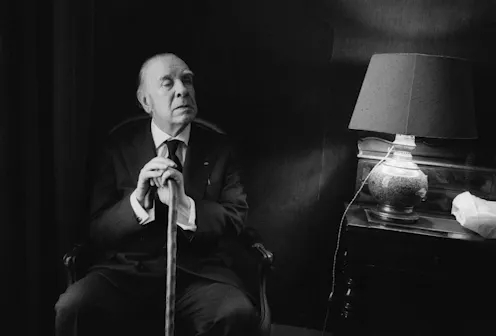
Borges imagined an endless library that contained every possible permutation of letters. The truth is out there, but it’s embedded among hordes of lies and gibberish.

Kamala Harris’ running mate sprinkles ‘damn’ throughout his speeches, even doing it in his acceptance speech at the Democratic National Convention.

The raised fist - used by Donald Trump as he was rushed off a stage after an assassination attempt - has been used by fascists, communists, Black Power advocates and even golfer Tiger Woods.
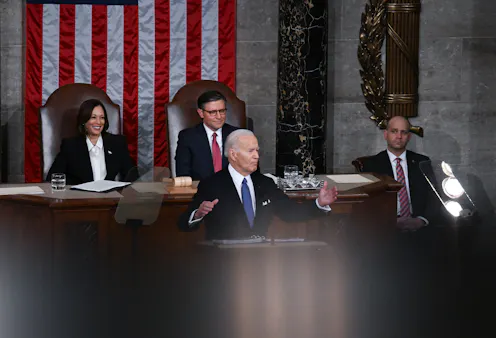
Both politicians are exploiting some tried and true rhetorical and psychological tactics.

Pleasant-sounding words might have a leg up.

About two-thirds of students admit to plagiarizing material. Faculty are expected to know better, but they do it, too. How should universities respond?

Innovations in AI seem to be spurring interest in what is or isn’t real, accurate and human.
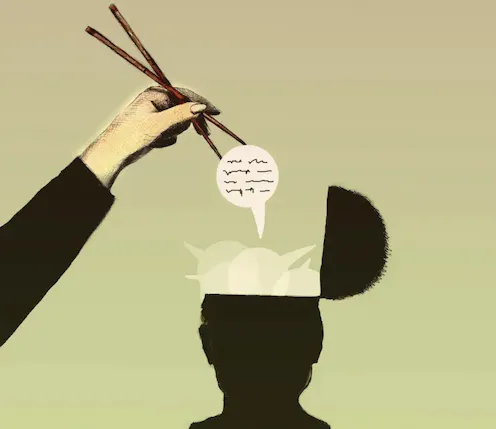
“Suara batin” kita berkembang seiring kita menjadi lebih terampil membaca dalam hati.

Similar techniques used to identify criminals have been employed to unmask anonymous authors. But they aren’t foolproof.
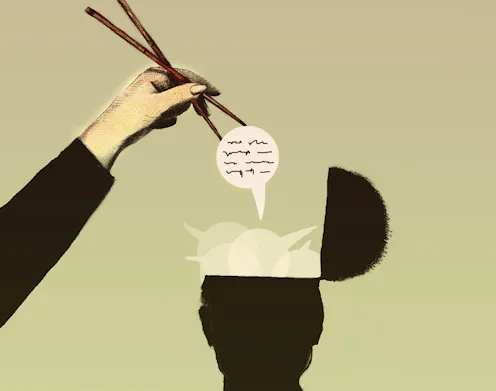
Called your ‘inner voice,’ it develops along with your reading skills.
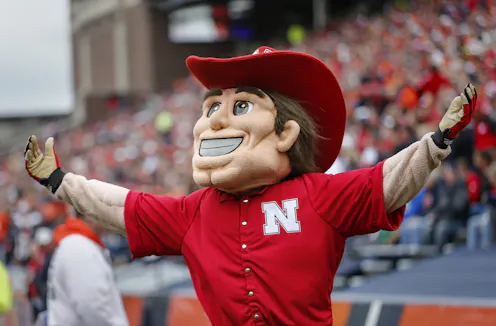
Hand gestures are notoriously prone to misinterpretation.
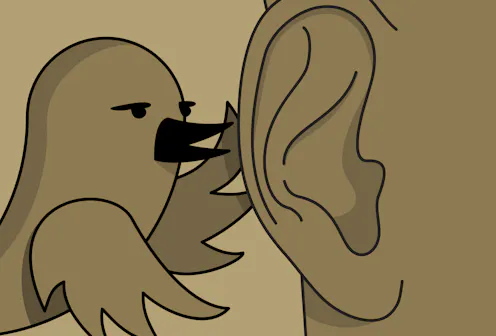
The aggressive efforts of social media platforms to police language have spawned a new lexicon meant to evade censors.

Many of the coinages fail to differentiate the mundane from the momentous. Has the suffix’s overuse rendered it essentially meaningless?
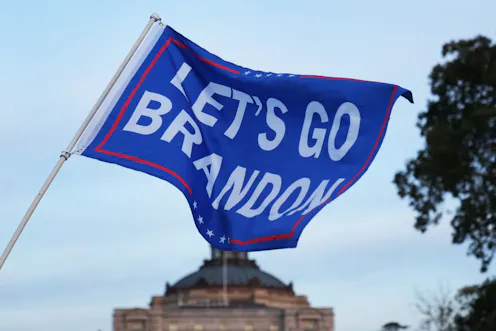
As political parties spar, insults and catchphrases are adopted, appropriated and reappropriated in a dizzying verbal arms race.
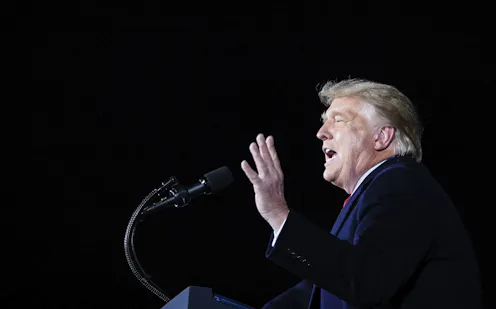
The president’s language sounded less presidential and more inflammatory in the weeks leading up to the riots.
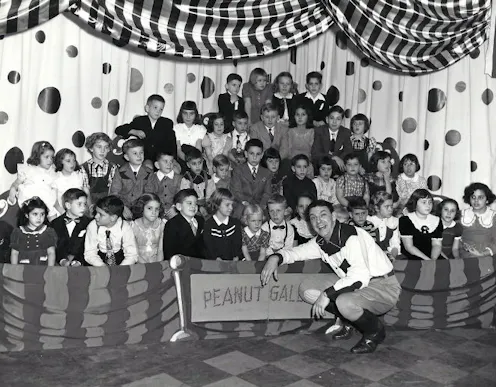
Remember the ‘peanut gallery’ from the ‘Howdy Doody’ show? That term, like many others we commonly use, has surprisingly controversial origins.

Updates to the Oxford English Dictionary provide a fascinating glimpse into how language changes in the face of rapid and unprecedented social and economic disruption.
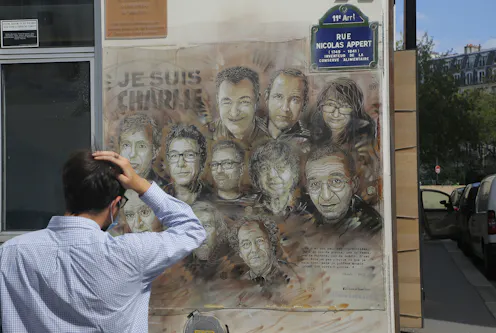
The French satirical magazine republished the controversial caricatures of Prophet Muhammad. An expert says satire has often been a subject of condemnation.
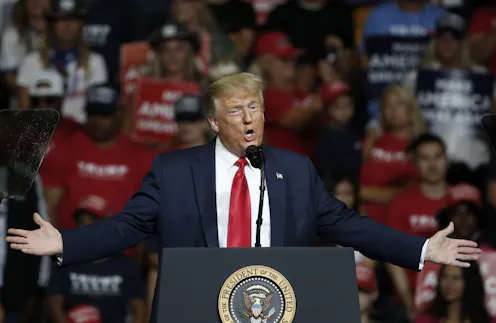
Because sarcasm is often difficult to discern and improperly used, it can operate as a linguistic mulligan. But deploy the excuse too much, and you might raise some eyebrows.

Irony is a slippery concept. Sometimes it’s used in speech, other times it’s used to describe a situation – oh, and it can also characterize an attitude. Is its versatility its downfall?
Contact Roger for
- General
- Media request
- Speaking request
- Consulting / Advising
- Research collaboration
- Research supervision
What is this? Become a friend.
- Location: Memphis, Tennessee, U.S.
- Website
- LinkedIn: roger-kreuz-93436237
- X (formerly Twitter): @RogerKreuz
- Article Feed
- ORCID
- Joined
