
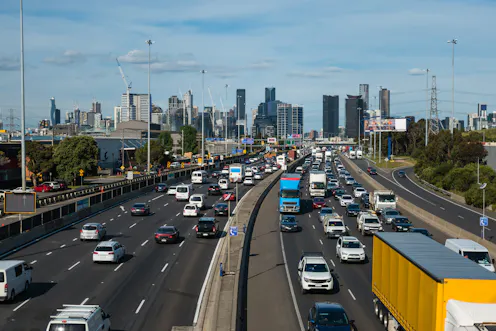
The population growth is in the west, but most of the jobs are still in the city centre. Three major development proposals could help reshape Melbourne in ways that help overcome this costly mismatch.
- Vice Chancellor's Fellow at Victoria University and Adjunct Professor of Economics, Victoria University

The APRA inquiry puts the regulator in the tricky position of trying to be seen to be tough on bank scandals but juggling its close relationship with the government and the CBA.
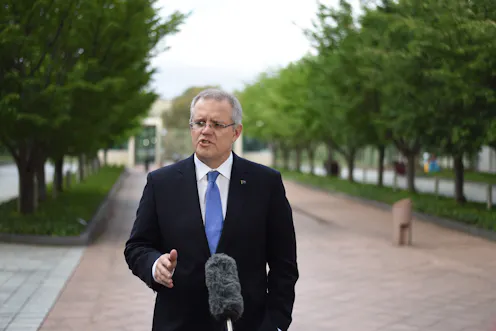
Treasurer Scott Morrison said Australia’s banks have a return on equity about twice that of banks in other advanced economies. Is that right?
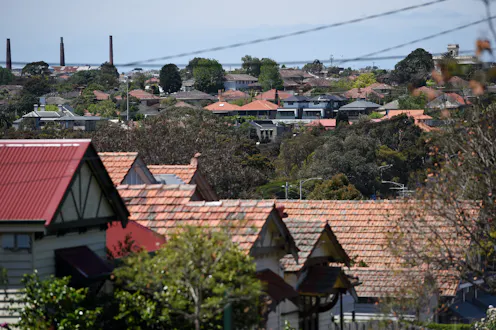
When you look at the data (in three charts) on mortgage stress, the systemic risk of people not being able to repay their home loans appears small.

A handful of our business economics writers share the favourite books they read this year.

Leading Australian academics respond to Donald Trump’s victory, and look ahead to what kind of president he might be. Much unknown about Trump’s foreign policy, but expect instability Gorana Grgic, lecturer…
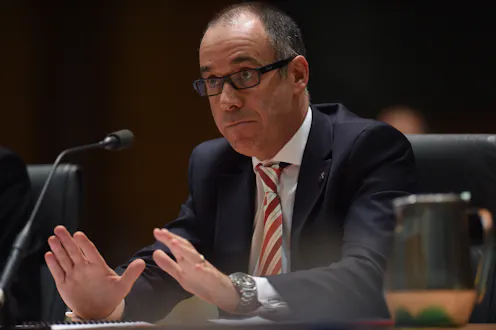
As the chief executives of Australia’s big four banks come before a House of Representatives economics committee, we ask a panel of experts what questions the banks should be answering.
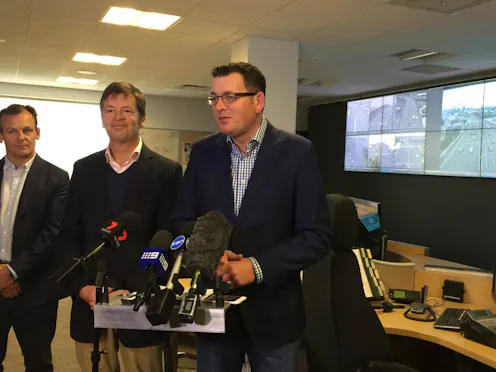
It’s a project that creates benefits for Melbourne’s western suburbs and the state as a whole. But the inner-city elite don’t like it and recent experience suggests their opinion holds sway.

Responsibility for the operation of public schools needs to be separated from the policymaking and regulatory functions and put into a separate authority.
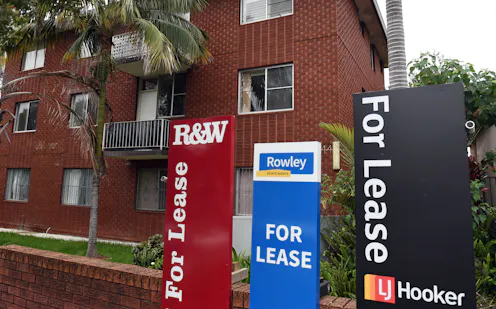
The ASIC inquiry into how mortgage brokers are paid won’t do much to change an already competitive system.
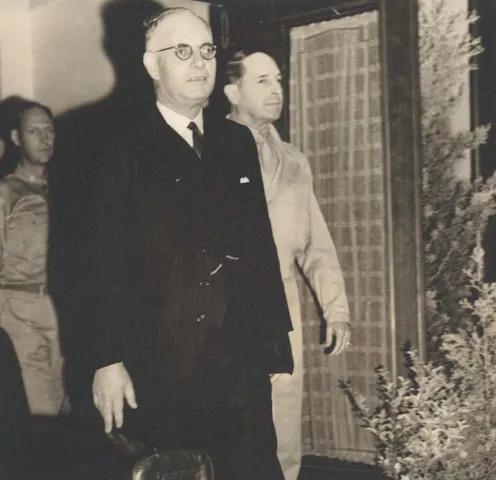
The states have historically fought to keep their income tax powers so it seems a joke to see a rejection of the Federal Government’s proposal to give these powers back.
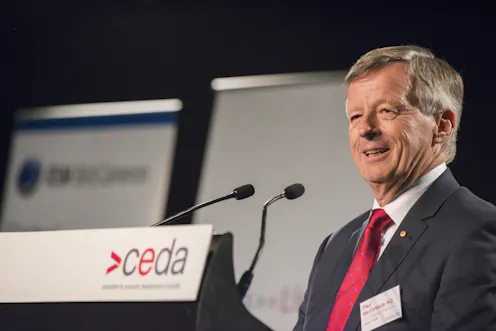
The Committee for Economic Development of Australia (CEDA) is trying to refocus debate on repairing the budget for the future.
There’s more than the GST to consider when seeking revenue from tax.

Challenging, inspiring and funny: a handful of our economics writers share the favourite books they read this year.

Evidence suggests the global neutral interest rate may settle at below 1%, penalising savers and rewarding risk takers.

The government compels us to do lots of things without any incentive payment, so why should super be any different?
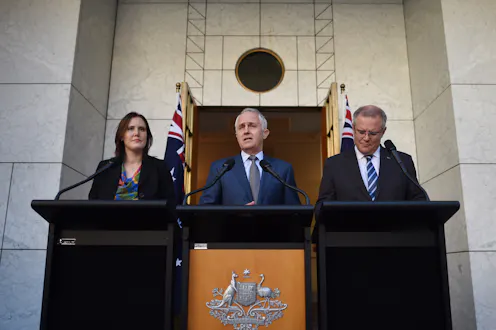
It’s a good thing that Australia’s large and growing super sector will attract greater policy focus in coming years.
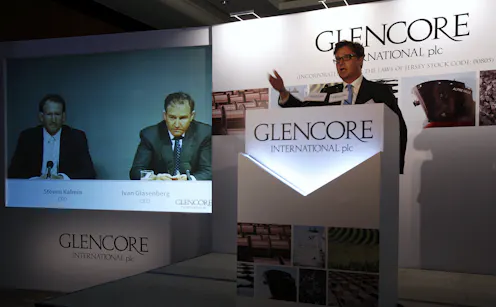
Did one negative analyst note on mining giant Glencore really wipe billions off the markets?
Both ASIC and the finance department want a user-pays model, but costs - borne by business - will rise.

The unbundling of content stands to hurt Pay TV providers the most.

Global regulators are requiring banks to hold more capital, so how high should Australia aim?

The first budget handed down by Victorian Labor government emphasises expenditure in traditional areas of education, health and transport.

The higher education sector needs more competition to ensure prices stay low. One way to encourage new entrants into the market is to separate funding for teaching and research.

If we accept that the rich should subsidise the poor, then Gen Y should be subsidising the baby boomers.
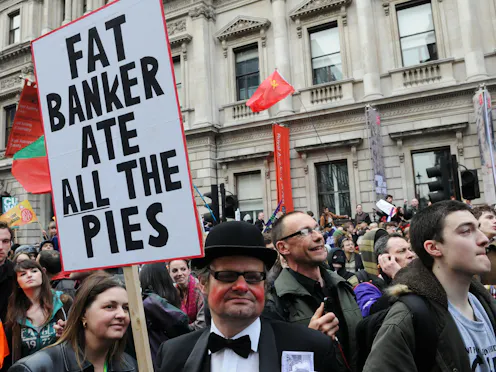
In survey after survey bankers rank poorly on ethics and honesty. It’s not hard to find entire websites dedicated to bank hatred. And Bank of America consistently rates in the top 10 most hated companies…
Contact Rodney for
- General
- Media request
- Speaking request
- Consulting / Advising
- Research collaboration
- Research supervision
- Article Feed
- Joined
