
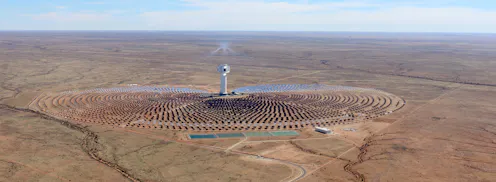
South Africa is struggling to move to renewable energy because of: Eskom’s dominance, weak planning, a poor grid, failing municipal networks and unused solar.
- Visiting Adjunct Professor, African Energy Leadership Centre, Wits Business School, University of the Witwatersrand
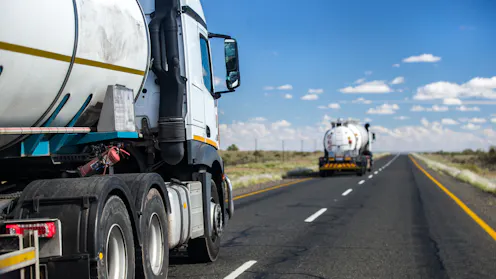
Not really knowing how much fuel your country needs is a problem.
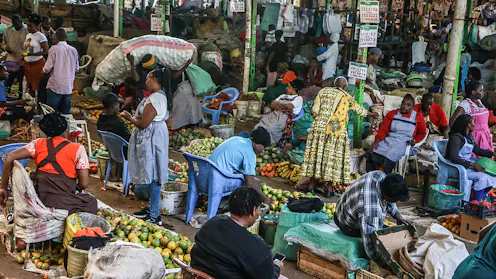
The universal fear is the effect the rise in prices is having on fuel, a staple commodity in every one of the countries for ordinary people as well as industries.
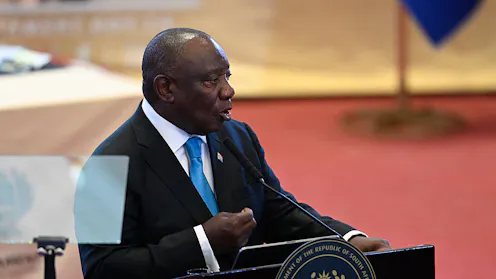
One thing is certain: there will be ongoing contestation over the path and pace of South Africa’s electricity reforms.
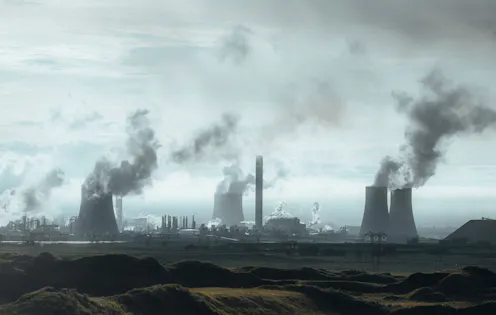
Sasol’s Secunda facility is the largest greenhouse gas emitter in the world. New research looks at what’s needed to move the petrochemical manufacturer away from coal.
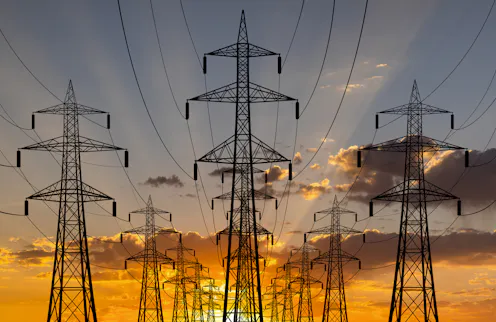
South Africa’s new electricity law is good news for electricity market reform. But big hurdles still need to be overcome before success is achieved.
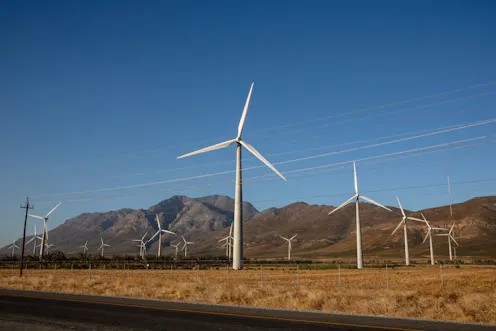
South Africa’s experience with renewable energy procurement provides valuable insights – what to do and what not to do – about management of the climate transition.

The key to reducing green hydrogen costs in the future lies mainly in technological improvements.
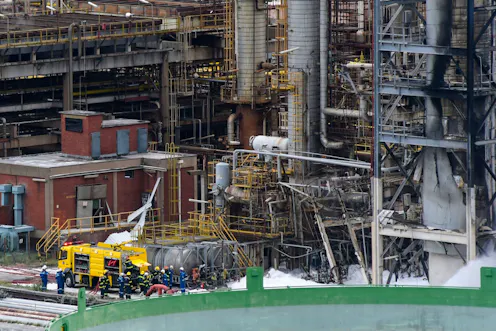
Refinery closures in South Africa are shots fired in the long running contestation between the oil refiners and the government, which has been trying to introduce cleaner fuels.

South Africa hasn’t achieved its policy objective of deregulating the fuel price because vested interests have opposed this, and the government doesn’t have the political will to implement the policy.
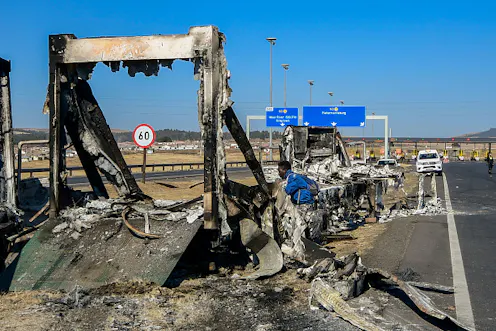
The glaring failure by authorities to secure an area notorious for attacks on trucks prompts questions about, at best, utter ineptitude, or at worst, complicity.
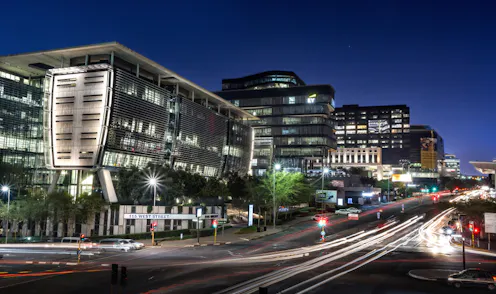
The longer government dithers over how Eskom’s debt will be paid, the bigger the problem becomes. Whatever the decision, electricity customers and taxpayers will feel the pinch.
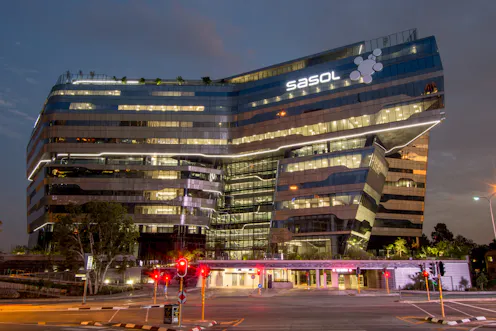
There is a golden opportunity for South Africa to transition from being a key contributor to global warming to becoming a key contributor to global emissions reductions.
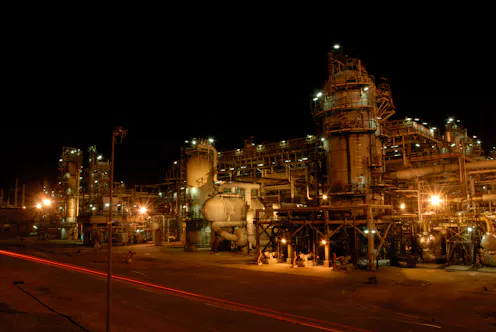
It’s too soon for South Africa to start counting its chickens over the recent offshore gas find by global energy giant Total.
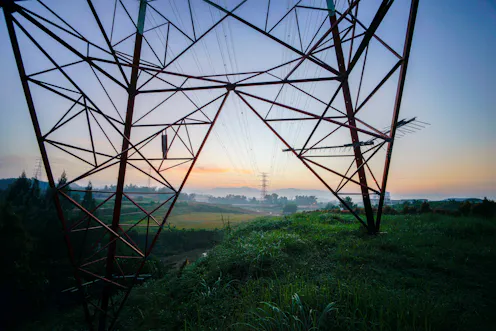
There’s no easy way for Eskom to claw its way out of the crisis it’s in.
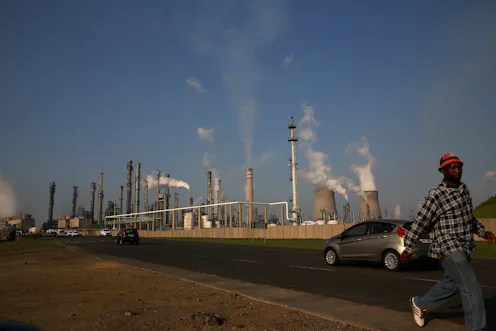
Raging debates about the state of South Africa’s energy industry have missed one critical area, the role of transport fuels and base chemicals.
Contact Rod for
- General
- Media request
- Speaking request
- Consulting / Advising
- Research collaboration
- Research supervision
- Location: Johannesburg, South Africa
- Website
- Article Feed
- Joined
