
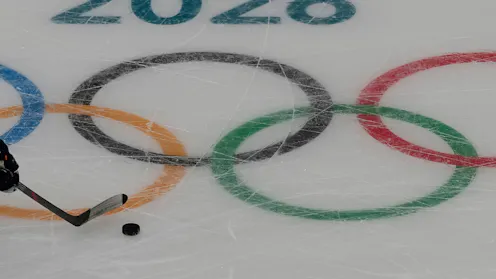
Athletes will use physics concepts such as friction and lift to their advantage on the world stage in the 2026 Olympic Games.
- Senior Lecturer in the School of Psychology, University of Lincoln
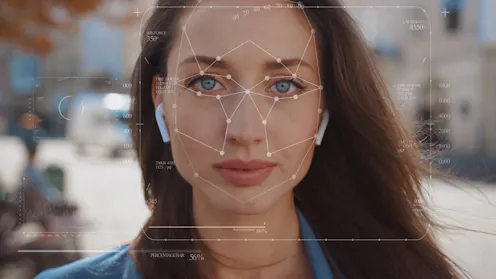
Super-recognisers literally look at people differently.

And why people form alliances even with people they know are untrustworthy.
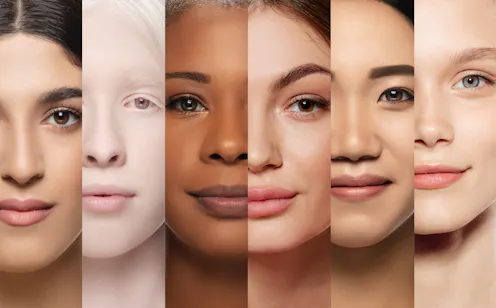
I decided to put the AI to the test with some standard face-recognition trials.
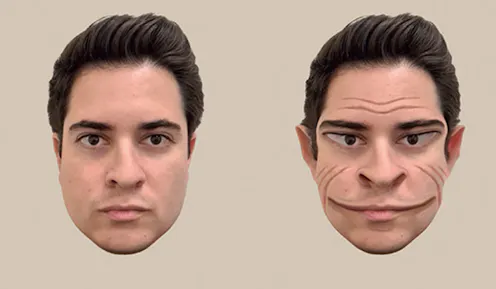
Fascinante et troublante, la prosopométamorphopsie est une très rare affection qui perturbe la perception des visages. Un nouveau cas clinique permet de mieux la comprendre.
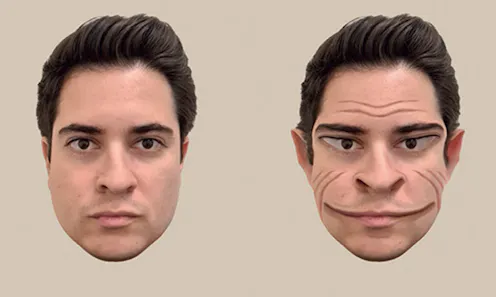
A highly unusual new case is giving scientists insights about what causes illusions of facial distortion
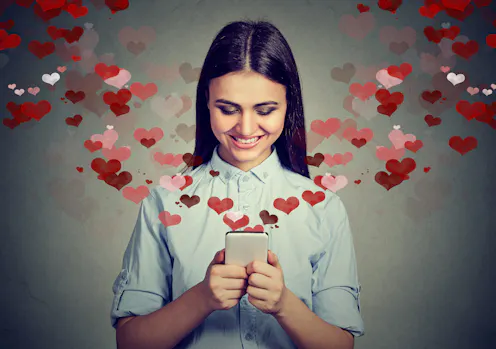
Something to bear in mind if you find yourself swiping through profiles on a dating app later today.

Recent research suggests jurors are less likely to be lenient on attractive defendants than previously thought.
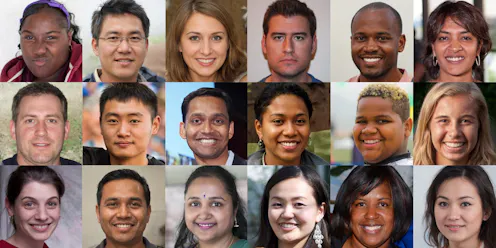
Scientists measured the brain activity of people trying to discern real from synthetic faces.
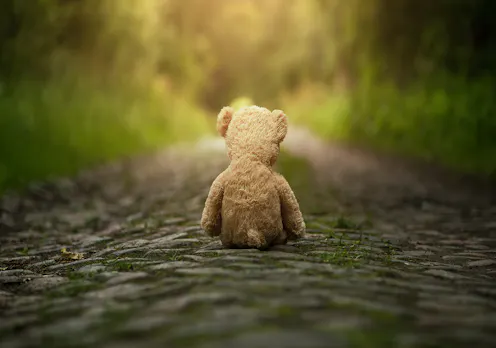
Humans are social beings so it’s no wonder that feeling isolated can affect the way we think
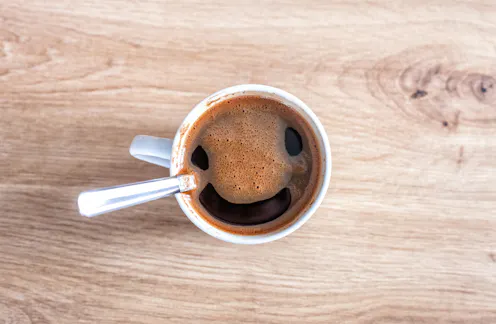
It’s pretty common to see face-like patterns in objects – but this quirk can give us insights into human psychology and evolution.

Forget Halloween masks: these things let you become a whole new person.

Whether it’s items in a shop, potential speed-dating matches or athletes competing one after another, the order in which they’re presented affects our judgments.
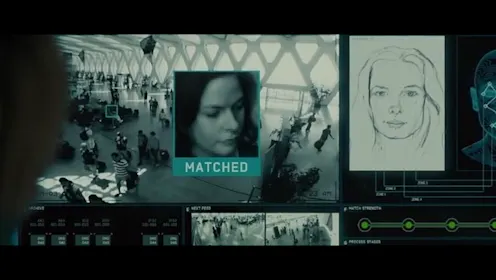
Big brother is not watching you … yet.
Contact Robin for
- General
- Media request
- Speaking request
- Consulting / Advising
- Research collaboration
- Research supervision
- Location: Lincoln, UK
- Website
- X (formerly Twitter): @RobinSSKramer
- Article Feed
- ORCID
- Joined
