
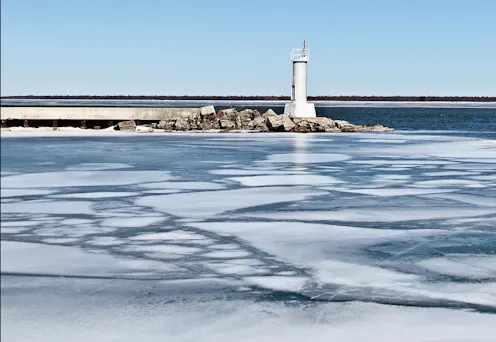
In winter 2023-24, the Great Lakes’ ice cover was near record lows, peaking at just 16%. Researchers explain how diminishing ice could have consequences for fisheries, and how species are evolving.
- Director and Professor, Great Lakes Institute for Environmental Research, University of Windsor
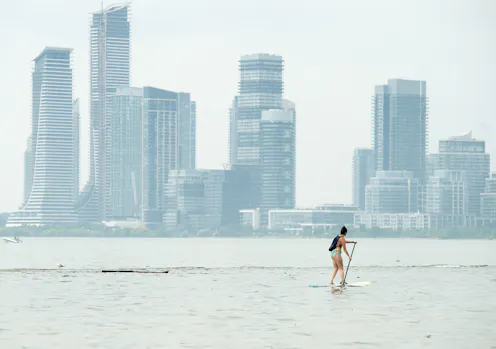
Shoreline communities are already faltering under the weight of billions of dollars in damages — and worrying that climate change will continue to make things even worse.
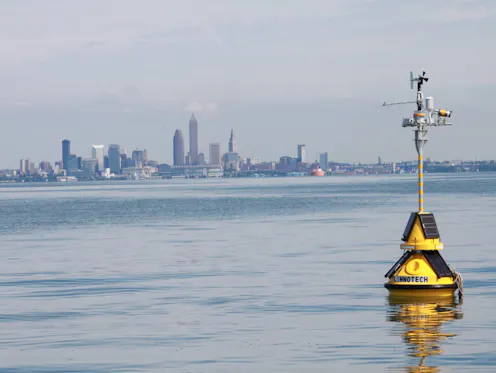
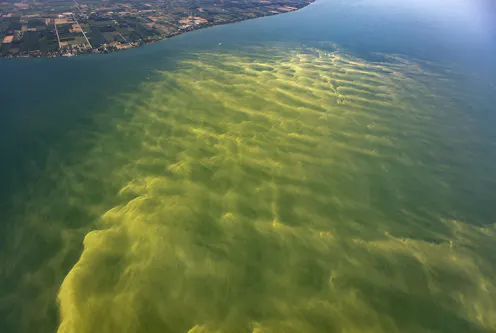
A networked array of sensors could warn drinking water utilities in real time of harmful algal blooms and prevent public health crises.
The Great Lakes contain reservoirs of legacy contaminants, mostly in their sediments, that are vulnerable to resuspension.
Contact Robert for
- General
- Media request
- Speaking request
- Consulting / Advising
- Research collaboration
- Research supervision
- Location: Windsor, ON
- Website
- X (formerly Twitter): @McKayGLIER
- Article Feed
- ORCID
- Joined
