
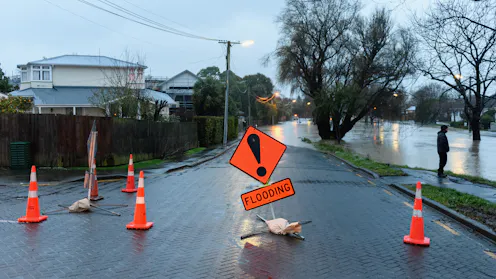
Only 3% of spending on natural hazards focuses on reducing risk, allowing governments to shift liability but leaving communities unprepared.
- Professor in Applied Mathematics, Te Kunenga ki Pūrehuroa – Massey University
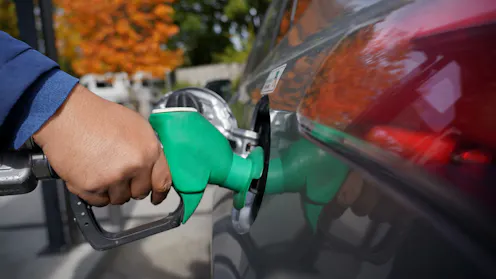
New Zealand’s electricity generation now accounts for only 5% of emissions, but oil use in transport is on the rise, outweighing the shift to electric vehicles.

Emissions from international aviation (and shipping) account for 9% of New Zealand’s total. Without stronger policy to cut them, they could grow to a third by 2050.
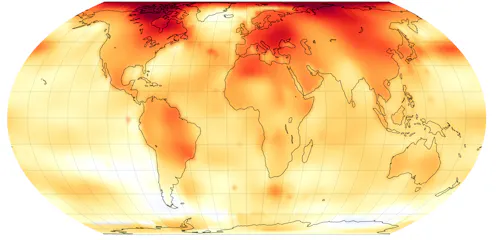
The Climate Change Commission identified three major changes since 2019: other countries are doing more, impacts are becoming more severe, and delaying action shifts costs to future generations.
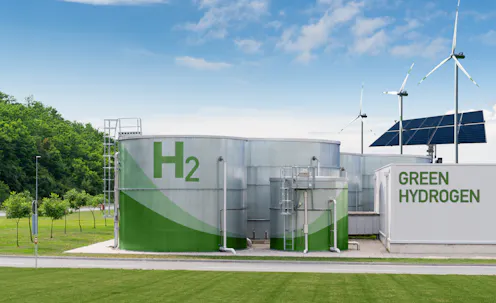
Hydrogen is expected to play an important role in New Zealand’s energy strategy. But the government and industry need to focus on its best uses for decarbonisation.
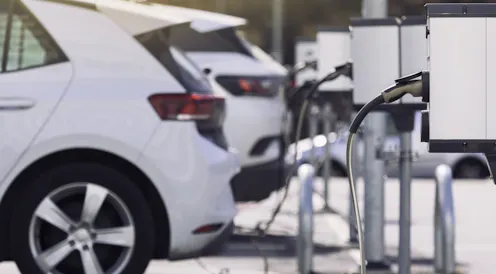
Policies and funds to decarbonise high-emitting industries and electrify transport are already delivering emissions cuts. But they are at risk of being disestablished or weakened.

As part of its target to cut emissions, New Zealand aims for a 20% reduction in driving by 2035, mainly through better urban planning and travel options. Why doesn’t the plan mention intercity rail?
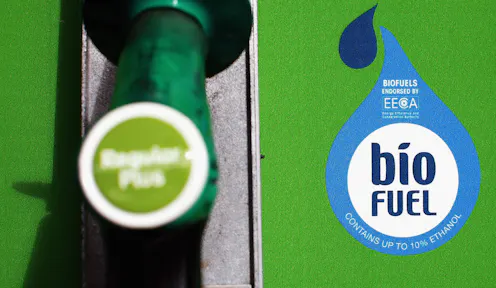
Biofuels are heralded as a climate-friendly replacement of fossil fuels, but encouraging people to drive less and shift to other modes of transport would cut more emissions.
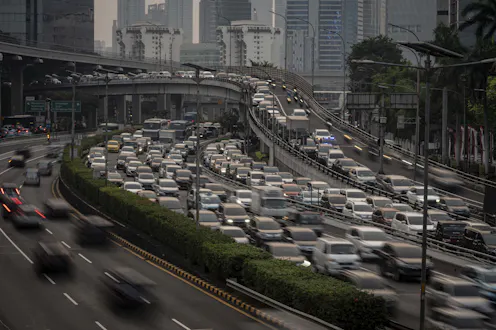
Harga BBM naik? Mari pikirkan caranya kurangi ketergantungan pada kendaraan pribadi berbahan bakar fosil.

Before the pandemic, New Zealand’s emissions from domestic flights were 4.9 million tonnes of carbon dioxide, up by 43% since 2014 and the sixth highest in the world per capita.

The tertiary sector’s air miles may be dominated by a small number of hyper-mobile senior academics, but studies show virtual conferences can improve diversity, career development and emissions.
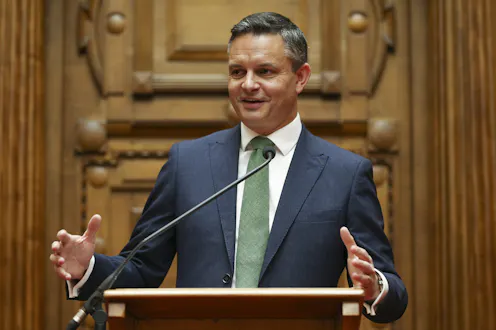
New Zealand has announced a more ambitious pledge to cut emissions, but the commitment relies on buying credits from offshore. There is no system for doing this yet, or for ensuring genuine cuts.
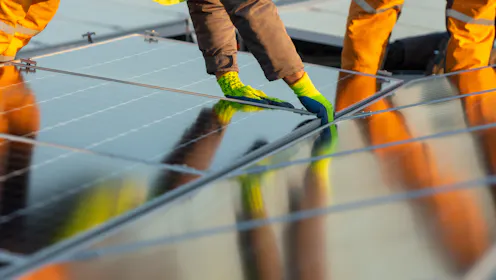
The way we use fossil fuels is wasteful and inefficient. A world based on renewable energy would need half as much as we produce now.
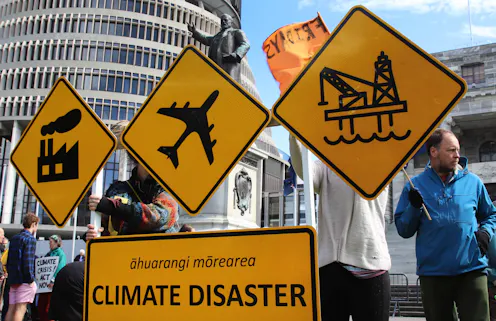
Consider Ireland. Like New Zealand, it has high agricultural emissions and a poor climate track record so far, but it has adopted much stronger targets to cut emissions by 51% between 2018 and 2030.
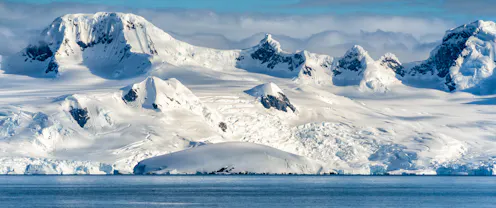
When Antarctica’s land-based ice melts, the land bounces up slightly as the weight of the ice lifts. This affects sea levels across the world, but not enough to offset sea-level rise.
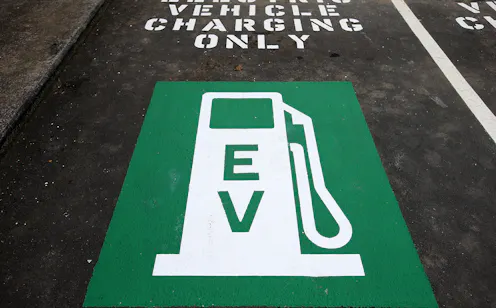
Emissions from road transport in New Zealand have doubled since 1990, and the Climate Change Commission recommends sweeping changes to switch to electric transport options.
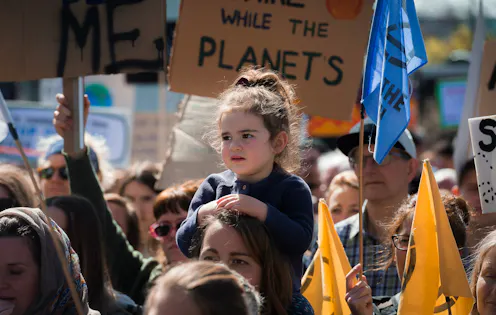
New Zealand is one of few countries to enshrine a zero-carbon goal in law, but current climate policies don’t keep up with that ambition.
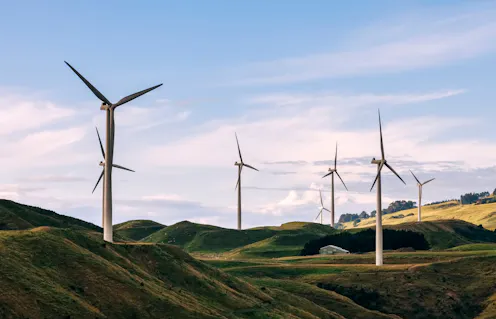
New Zealand voters are divided on climate policy along party lines, with the majority on one side of the political spectrum calling for urgent action while at the other end most recommend caution.

Climate Explained is a collaboration between The Conversation, Stuff and the New Zealand Science Media Centre to answer your questions about climate change. If you have a question you’d like an expert…

To limit warming to 1.5°C above pre-industrial levels, we’ll need to cut global emissions by 7.6% each year this decade. It’s difficult, but not impossible.
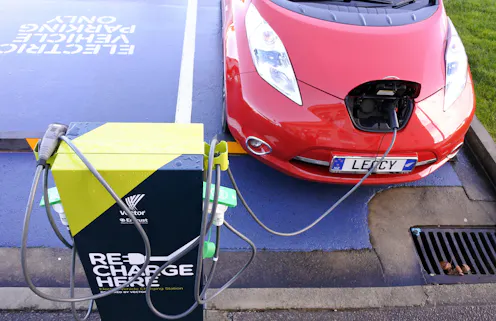
A switch to electric transport is one of New Zealand’s key climate strategies. It will increase demand on the national grid, but might also help increase renewable electricity generation.

Under the Paris Agreement, countries have registered plans to meet emissions reductions, but the current pledges, if fully realised, would take us to 2°C by the 2050s.
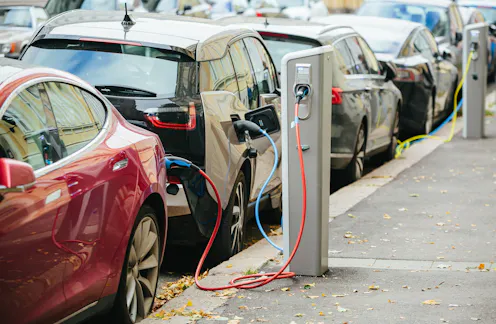
New Zealand has proposed new fuel standards, along with a consumer rebates for cleaner cars – paid for by higher costs for high-polluting cars – to cut its rising transport emissions.
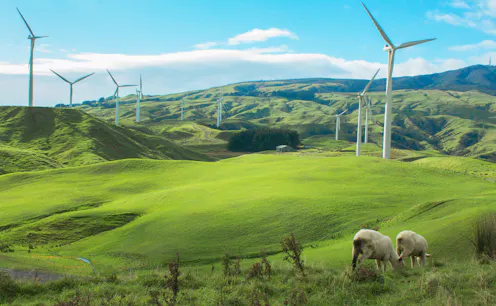
Under the New Zealand government’s well-being approach to the budget, funding that will help reduce emissions is linked with economic development and innovation.
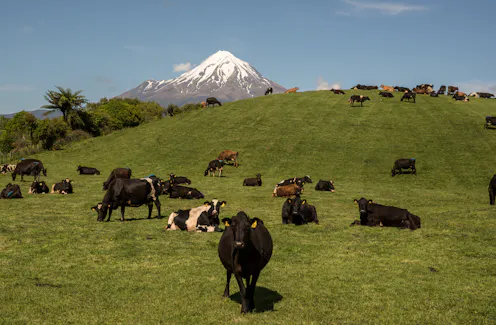
New Zealand’s government has released a bill that sets targets to bring long-lived greenhouse gases to net zero by 2050 and reduce emissions of the shorter-lived methane by 10% within a decade.
Contact Robert for
- General
- Media request
- Speaking request
- Consulting / Advising
- Research collaboration
- Research supervision
- Location: Palmerston North, New Zealand
- Website
- X (formerly Twitter): @nzcpe
- Article Feed
- Joined
