

Newly elected Alberta Premier Danielle Smith is likely to chart a course forward that involves brawls with Ottawa. Here’s what that means for Canadian Confederation.
- Research Fellow, Public Economics, The Parkland Institute, University of Alberta
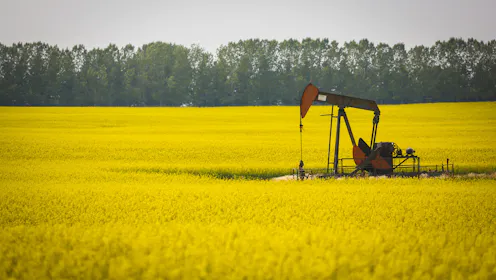
A series of ongoing issues in Alberta’s oil and gas sector suggest the province’s energy regulator is controlled by the industry and has lost the public’s trust.

OSFI’s guidelines are a small step towards making financial decision-makers more conscious of their influence on climate outcomes, but there is still work to be done.

The Free Alberta Strategy is in fact a road map for Alberta sovereignty, touching on the most essential compartment of sovereignty — banking and currency.

The Alberta government is failing to ensure environmental liabilities are adequately accounted for and that progress is being made to address the province’s massive tailings ponds.
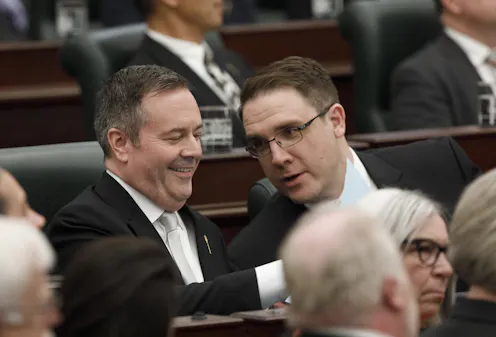
A sales tax — a tax that’s stable, easy to administer and costs less to collect than income taxes — would stabilize Alberta’s volatile roller-coaster economy.
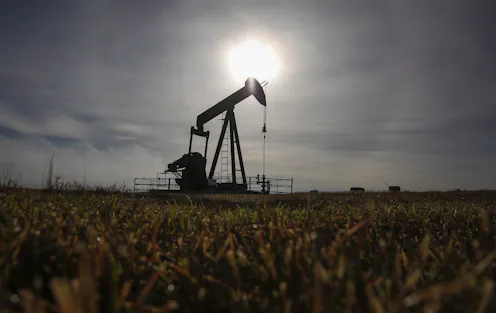
Four companies contribute about 20 per cent of Alberta’s total revenue, giving them an enormous amount of control over the province’s finances and, by extension, politics.

Every time Alberta’s energy-based economy goes into a tailspin, it’s because the price of oil has declined precipitously, and when it booms, it’s because the price has soared.
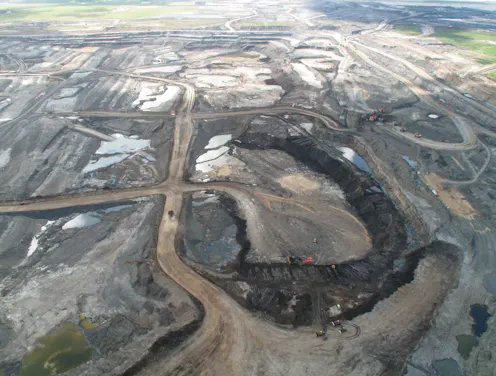
Oilsands producers can expect banks to do extensive reviews of their creditworthiness over the next several months.
Contact Robert for
- General
- Media request
- Speaking request
- Consulting / Advising
- Research collaboration
- Research supervision
- Article Feed
- Joined
