
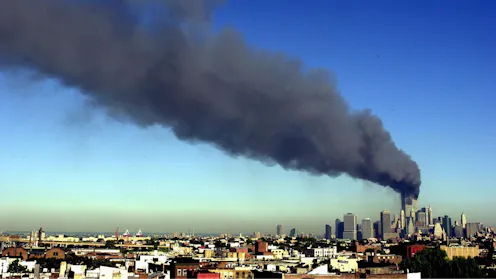
On the 25th anniversary of 9/11, many of the forces now shaping NZ foreign policy can be traced back to how the US responded to the terror attacks.
- Professor of International Relations, University of Otago

By appealing to international law and a ‘rules-based’ order, but not opposing the US-Israeli action, the government appears caught in the diplomatic crossfire.

The US intervention in Venezuela makes it clear NZ’s ‘softly softly’ foreign policy isn’t a feasible long-term response to a shifting world order.
The new US National Security Strategy marks a historic break – and a problem for the NZ government’s policy of closer strategic alignment with Washington.
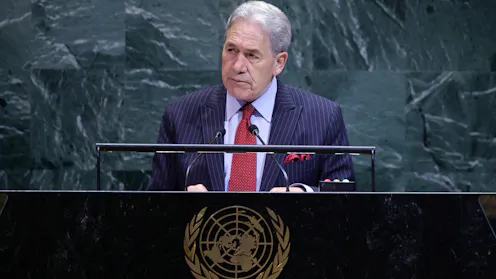
By not joining its close allies over the question of Palestinian statehood, NZ risks being ‘on the wrong side of history’.
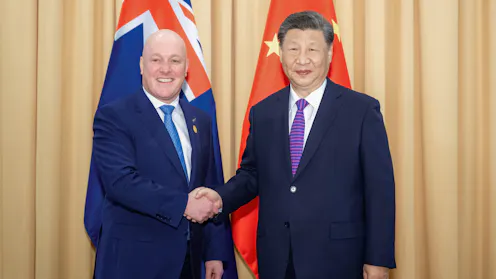
It’s becoming harder to argue NZ shares common values and interests with the Trump administration, or that the alliance balances Chinese assertiveness in the Pacific.

Forcing Ukraine to give up stolen territory in return for peace would set a terrible precedent – and potentially put New Zealand’s future security at risk.
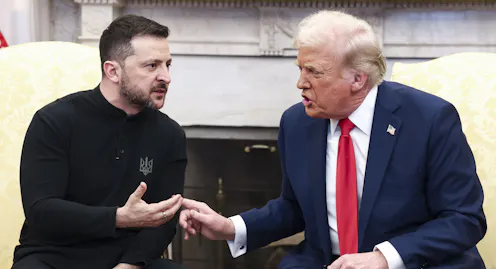
New Zealand foreign policy has long sought to balance various alliances with a commitment to the rules-based international order. It now faces its greatest test in decades.

The government’s push for closer relations with the US could be undone by a Trump victory in November.

A lack of moral and legal clarity over the Gaza crisis threatens to undermine New Zealand’s international reputation.
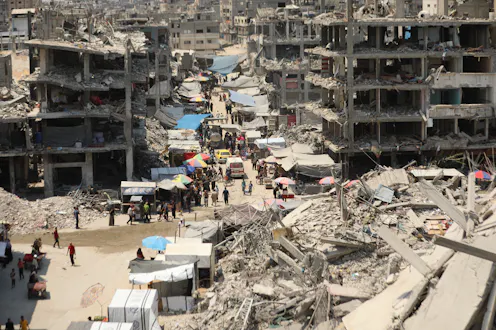
The government’s Gaza response has been caught uncomfortably between joining calls for a ceasefire at the UN and aligning with US security interests.
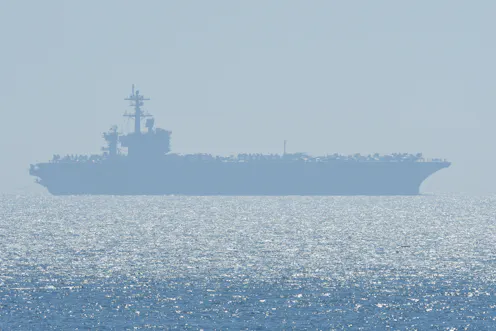
The protracted deliberations over joining AUKUS pillar two suggest New Zealand is hoping questions of security, trade and domestic opinion will be solved in time. That’s unlikely.
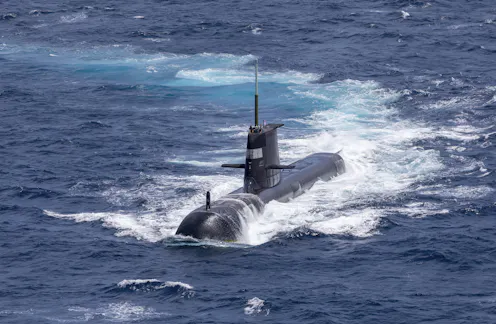
Concern is rising that an in-principle decision has been made about New Zealand joining AUKUS pillar two, without public understanding or political mandate.
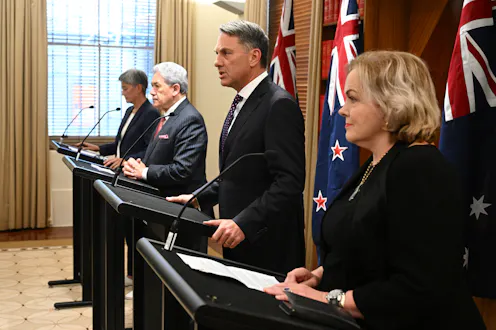
Signing up to ‘pillar two’ of the AUKUS alliance sits uneasily with New Zealand’s distinctive worldview – and could aggravate its wider foreign policy challenges.

Liberal democracies need to work with the countries in the Middle East to build a long-term solution to the ongoing Israel-Gaza crisis.

South-East Asia is anxious about the Ukraine war’s impact on regional economies. For New Zealand, that presents more pressing geopolitical priorities than confronting China.
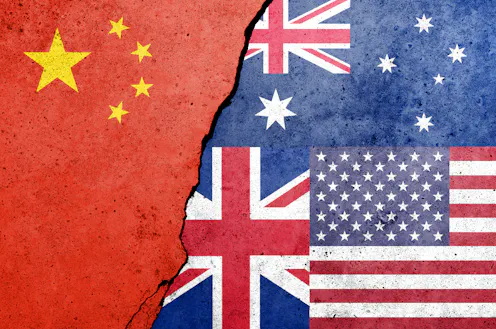
Does New Zealand have more to lose than gain by joining ‘pillar two’ of the AUKUS security pact? The next government will have to decide, with serious implications for the country’s foreign policy.
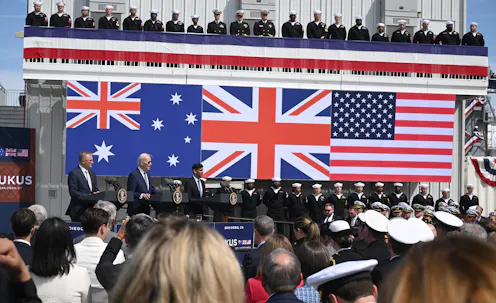
China’s global ambitions are real but they should not be over-hyped. New Zealand’s strategic interests lie outside any direct participation in AUKUS.
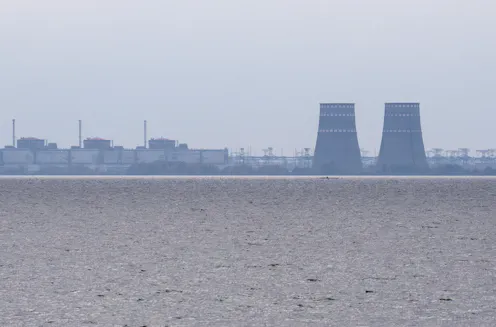
Ecological damage, risk of nuclear accident and the economic fallout from war all affect countries well beyond the conflict zone. How should the world deal with these borderless threats?

How should the war in Ukraine end? That’s the question dividing two schools of geopolitical thought, but one side seems to be winning the argument.
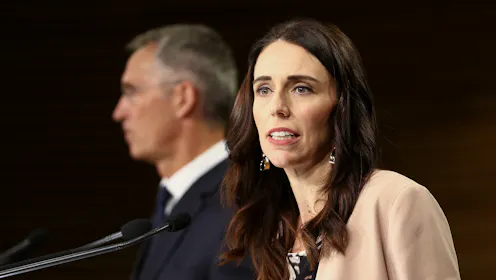
At a time of geopolitical uncertainty, New Zealand’s government has distinctive reasons for opposing Putin’s Ukraine invasion and expressing public reservations about China’s ambition in the Pacific.
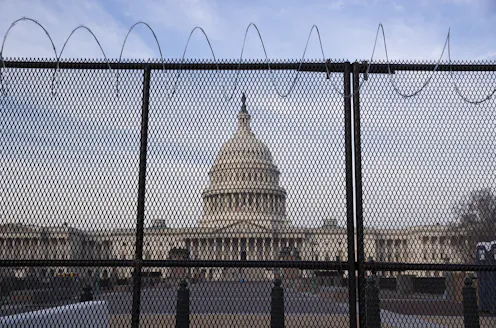
Incoming US president Joe Biden can’t mend a broken US democracy alone. Other liberal democracies, including NZ, need to get involved.
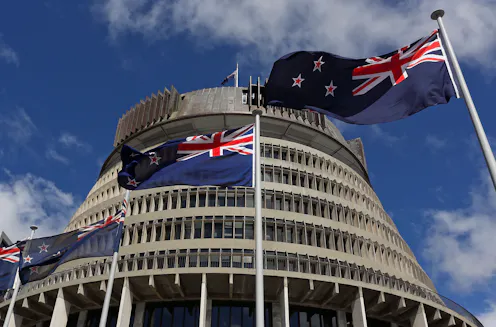
The woeful record of populist governments in dealing with COVID-19 is unlikely to convince voters New Zealand should emulate them.

The power vacuum in world leadership means New Zealand and other small states will have to create a new rules-based international order.
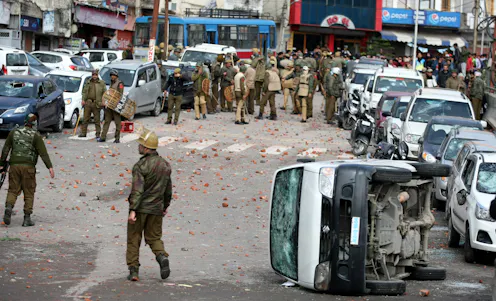
Escalating tensions between India and Pakistan over the disputed Kashmir border are a stark reminder that the subcontinent is one of the world’s likeliest nuclear flashpoints.
Contact Robert for
- General
- Media request
- Speaking request
- Consulting / Advising
- Research collaboration
- Research supervision
- Location: Dunedin, New Zealand
- X (formerly Twitter): @Robert_Patman
- Article Feed
- Joined
