
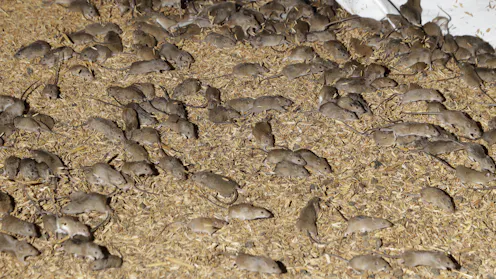
Mice numbers are likely to drop as winter sets in – an expert explains.
- Associate Professor in Wildlife Conservation, Edith Cowan University
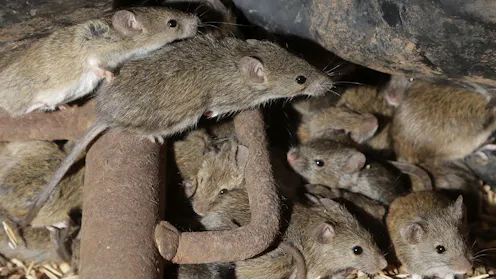
In parts of Western Australia and Southern Australia, mouse numbers are reaching plague proportions.
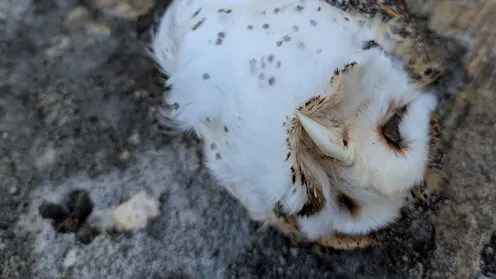
Rat and mouse baits are an everyday product. But these chemicals can persist in the tissues of rodents that eat them for months and poison native animals.
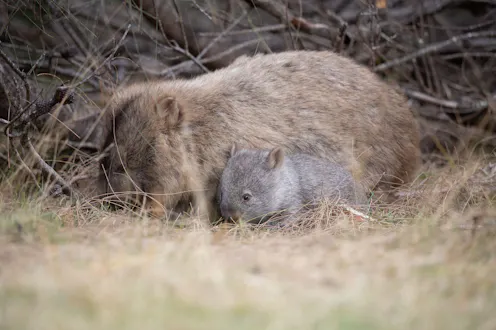
‘Momma’s right here and she’s pissed’: influencers can show wildlife to their audience without traumatising baby wombats
Second generation rat poisons are so potent that they’re banned for home use in Europe and North America. But here, you can pick them up at Bunnings or Coles.
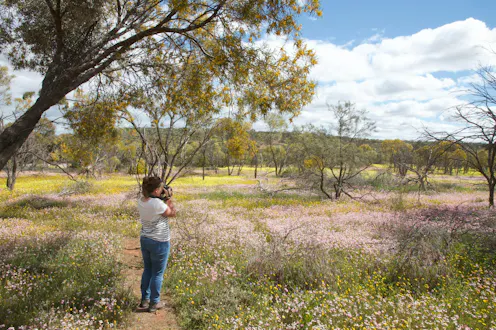
Compartir en redes sociales la foto de un animal raro o de un paisaje virgen parece una acción inofensiva, pero puede suponer una amenaza para la naturaleza al fomentar las visitas masivas a los enclaves y la recolección de ejemplares de especies sensibles.
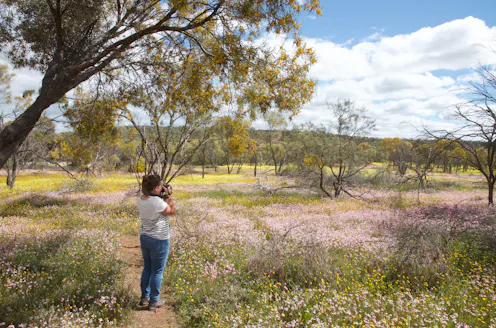
It feels harmless to share a photo of a rare species. But social media can drive great damage to nature, from poaching to baiting to trampling.
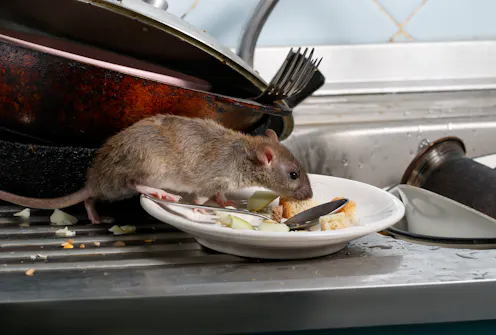
With temperatures plunging, rodents have started seeking the warmth and food inside our houses. Here’s how to deal with them effectively and humanely – without accidentally catching native animals.
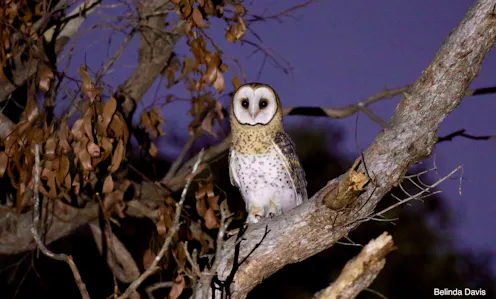
The NSW government has secured an extremely toxic bait to try to end the mouse plague. But there are safer alternatives.
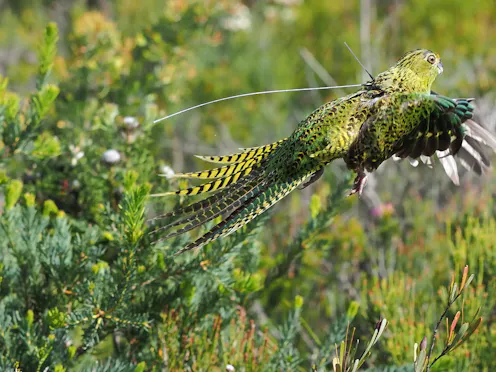
Here’s how climate change affects recovery efforts for the elusive western ground parrot.
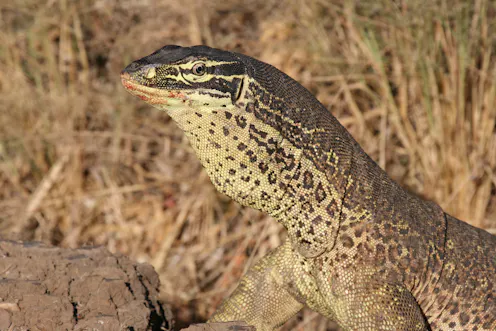
Rat baits are widely used to keep rodent pests at bay. But many Australian reptiles are resistant to the poison, potentially spreading these deadly compounds up the food chain.

A team of researchers led by Edith Cowan University have surveyed the PNG island of New Britain to see how the bird population is faring. There’s good news and bad news.
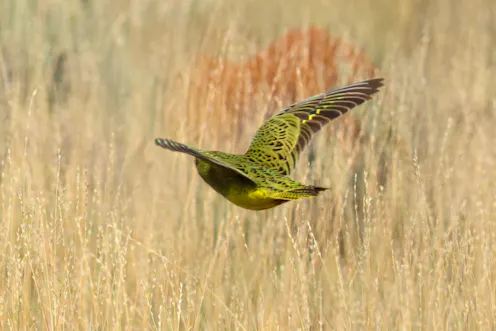
A Night Parrot snapped in Western Australia confirms the mysterious species survives across Australia, but now the real conservation work begins.
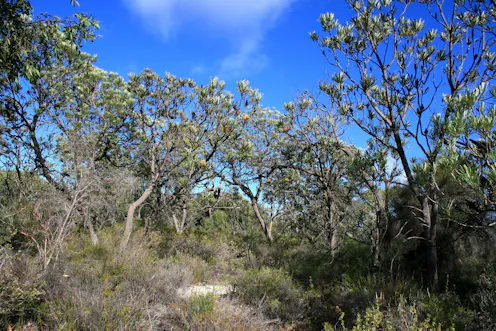
The Banksia woodlands of the Swan Coastal Plain are home to thousands of species, many unique. But they are gradually being swallowed by Perth, one of the world’s most sprawling cities.
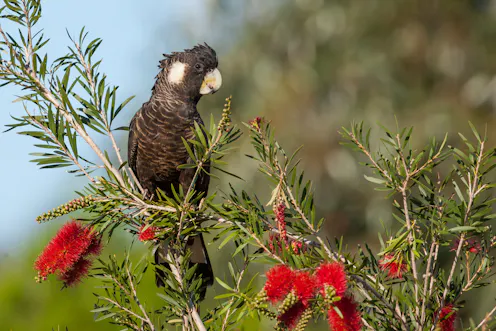
Plans for managing Perth’s rapid urban growth have been touted as green. But they still look like robbing the iconic Carnaby’s black cockatoo of yet more crucial habitat.
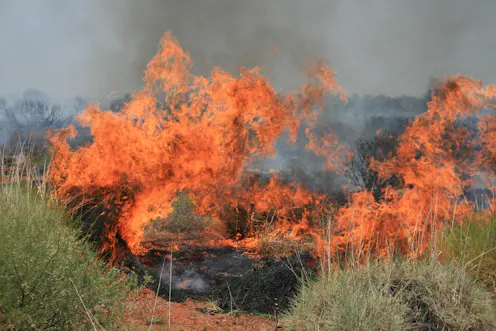
Recent bushfires have not just destroyed human lives and property, but pushed some species further down the path to extinction.
Contact Robert for
- General
- Media request
- Speaking request
- Consulting / Advising
- Research collaboration
- Research supervision
- Location: Joondalup, Western Australia
- Website
- BlueSky: @pezoporus.bsky.social
- LinkedIn: robert-davis-24659a12
- Article Feed
- ORCID
- Joined
