
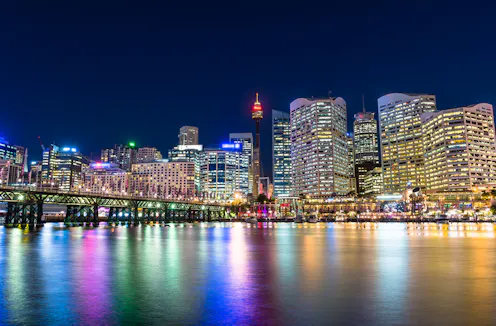
Cities around the world are redeveloping their waterfronts to be accessible and resilient to the effects of climate change. Here’s where Sydney’s Darling Harbour went wrong and what we can do better.
- Professor Spatial Transformation, Hanze University of Applied Sciences, Groningen

One potential benefit of WestConnex, which remains untouched, is that it could relieve Sydney’s city centre from cars and make it more pedestrian-friendly.
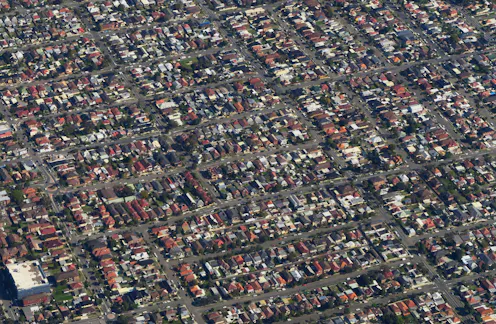
The future of Sydney is under constant scrutiny. But before we consider creating a ‘third city’ in Sydney’s west, we should ensure we get the current infrastructure up to international standards.
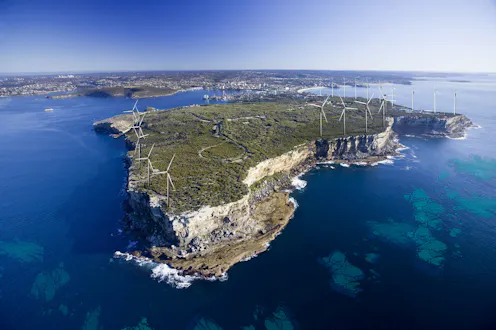
Sun, wind, waste biomass, geothermal, tides and waves: all these energy sources in Sydney’s backyard add up to a zero-carbon energy solution for the city.
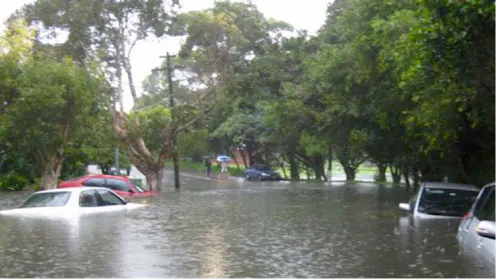
A massive residential development in a flood-prone inner-city suburb sounds like a recipe for disaster. But good urban design can deliver higher density and reduce the flood risk.
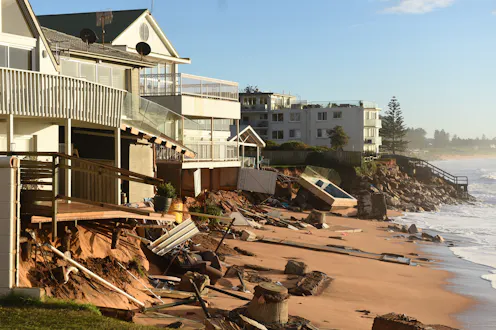
The ocean warming that might increase the threat of a catastrophic storm could also create the conditions for a natural defensive barrier.
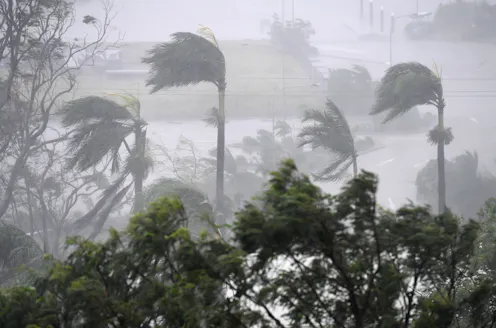
Cities would suffer much less damage and avoid the huge financial losses if we designed them to cope with the effects of cyclones.
Contact Rob for
- General
- Media request
- Speaking request
- Consulting / Advising
- Research collaboration
- Research supervision
- Location: Groningen, the Netherlands
- X (formerly Twitter): @robroggema
- Article Feed
- ORCID
- Joined
