
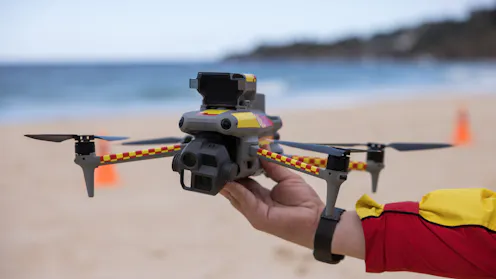
NSW will soon have the world’s largest shark-spotting drone program. But spotting doesn’t necessarily translate to protection.
- Professor, UNSW Beach Safety Research Group, School of Biological, Earth & Environmental Sciences, UNSW
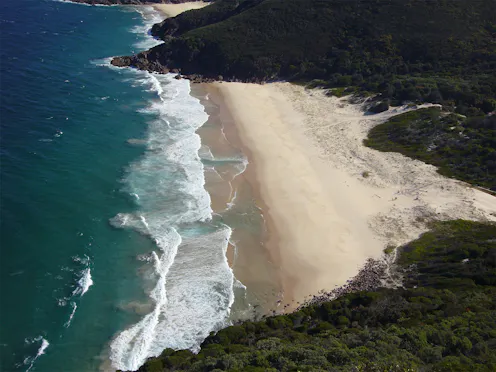
Be safe this summer by learning the latest rip survival guidelines with this 5-minute quiz.

At least 53 emergency response beacons have been installed on NSW beaches so far. They could save your life, but most beachgoers don’t know what they are.

Rips kill more people a year on average than bushfires, floods, cyclones and sharks combined. Brush up on the latest advice so you can stay safe this summer.
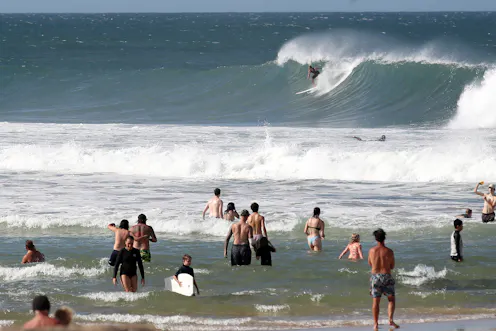
All 54 drownings on the Australian coast last summer occurred in locations not patrolled by professional lifeguards or volunteer surf lifesavers. That is a stark statistic.
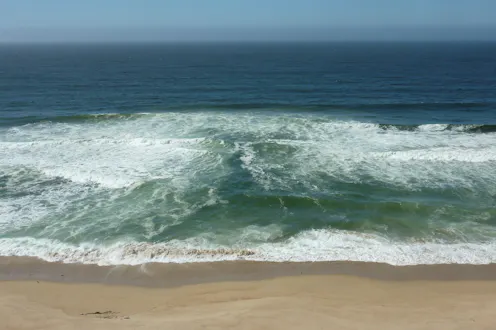
Rip currents are one of the great dangers of Australian beaches. We can learn a lot about avoiding and escaping this natural hazard by asking survivors what being caught in a rip is really like.
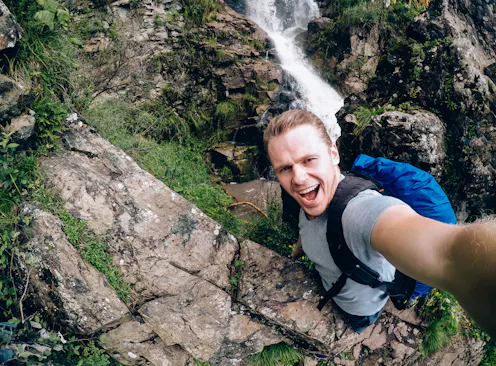
People have died taking selfies at cliffs, waterfalls and natural pools. We need to try a different approach to reducing the risk.
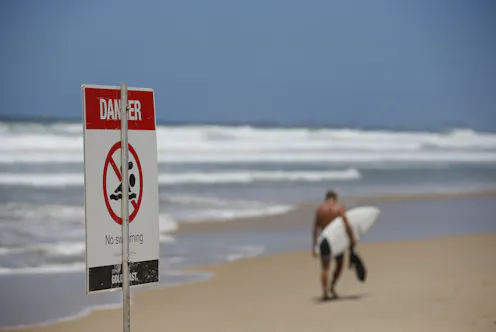
When a loved one is struggling in the water, you might want to rush in to save them. But make sure you stop and think or you could become the one in trouble.
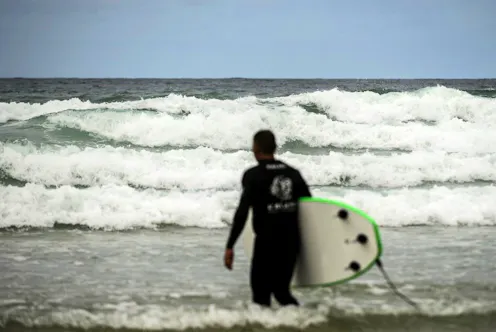
La surveillance de baignade dispose d’un acteur trop souvent sous-estimé, même en France : le surfeur. Retour sur la nature de ses interventions et les précautions à prendre pour préserver chacun.
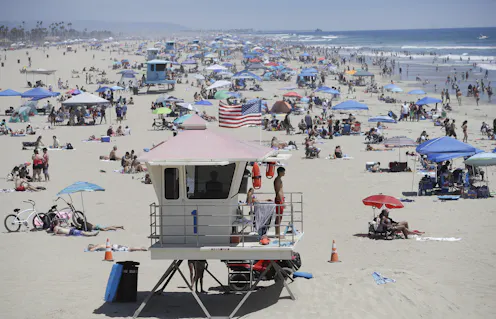
After months of isolation, beaches could see a rising number of rescues and drownings.
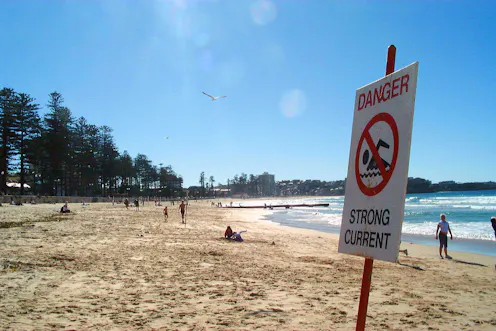
On average 21 people drown each year in rip currents on Australian surf beaches. This value exceeds the long-term annual average of fatalities caused by bush fires, floods, cyclones and sharks combined…
Contact Rob for
- General
- Media request
- Speaking request
- Consulting / Advising
- Research collaboration
- Research supervision
- Location: Sydney, NSW
- Website
- X (formerly Twitter): @Dr_Rip_SOS
- Article Feed
- Joined
