
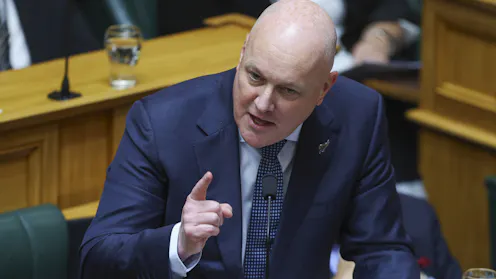
The history of electoral reform in NZ is full of policy surprises. But the prime minister’s latest announcement still makes little political sense.
- Professor of Politics, Te Kunenga ki Pūrehuroa – Massey University
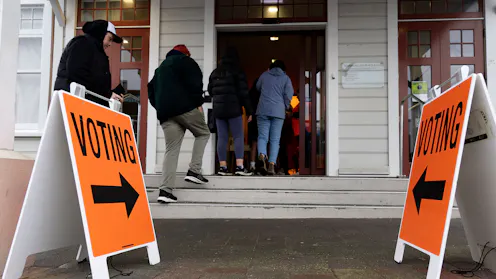
Winning the political centre is said to be key to electoral success. But what exactly does ‘centrism’ represent?

TOP’s positive polling is fuelling media speculation about its electoral prospects. Can it finally get over the line? And what might happen if it does?

In this extract from his newly published essay collection, the author traces the imperial British origins of a quintessential Kiwi chore.

Can a short multiple-choice test encourage new citizens to connect with a sense of national identity, or does it risk oversimplifying complex, contested ideas?
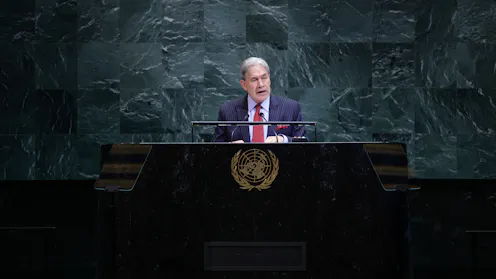
Cabinet papers are usually prepared by ministries with input from impartial public servants. The process over Palestine raises wider questions about transparency.
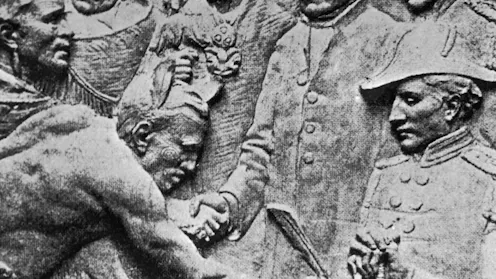
As cities and districts prepare for referendums on retaining Māori wards, a contentious claim resurfaces about the meaning and intent of the Treaty of Waitangi.
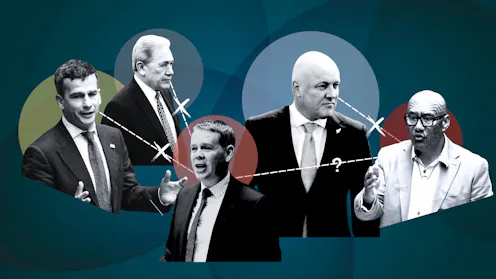
ACT won’t work with Labour, Labour won’t work with NZ First, National won’t work with Te Pāti Māori … What happened to the cross-party compromise MMP was meant to foster?
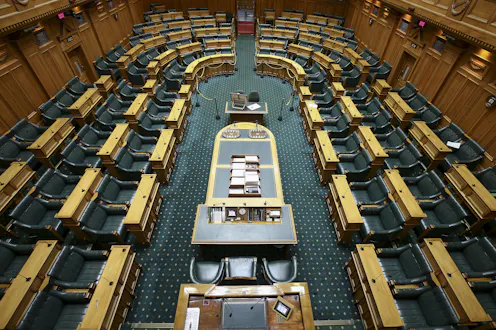
Supporters of a four-year term say it would give governments more time to make better policy. But without deeper changes, it may only increase political uncertainty.
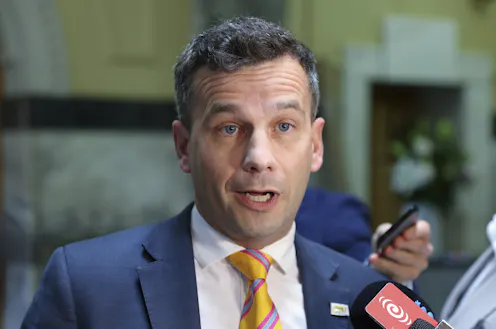
The ACT Party leader believes government assets should provide a return or be sold. But a majority of New Zealanders are consistently opposed to more privatisation.
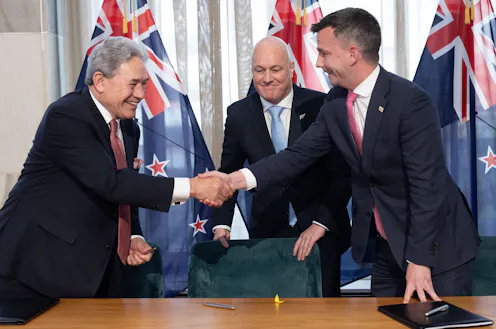
The tail wagging the dog is a risk in any coalition arrangement. But with two tails wagging vigorously, the National-led government is testing the limits of consensus and policy coherence.
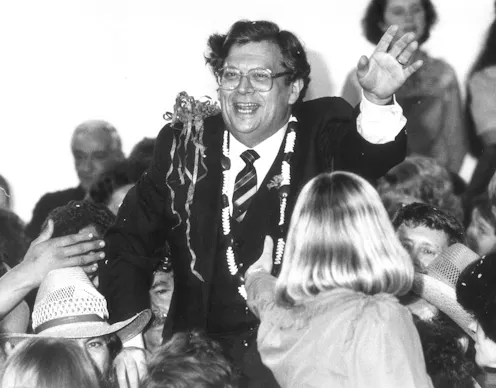
The election of the Lange-Douglas government on July 14, 1984, was the moment the old New Zealand gave way to a new New Zealand. Its historic influence is still felt in most areas of life today.
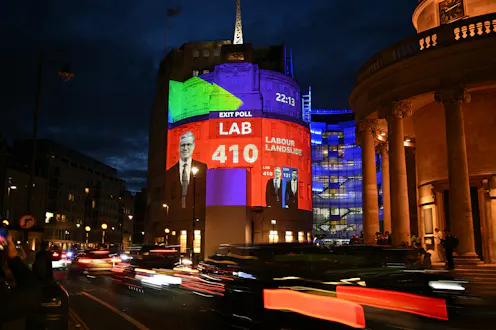
Arguments for electoral reform in the UK just got stronger with a low Labour vote delivering a massively disproportionate number of seats.
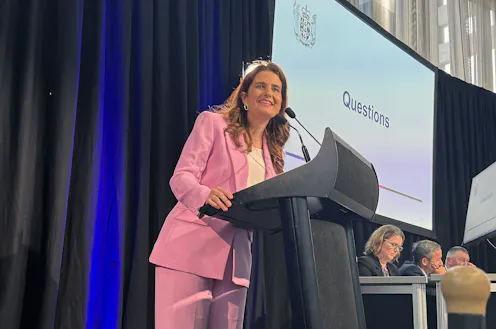
Finance minister Nicola Willis is promising to chart a ‘middle course’ in her first budget. Her bigger challenge is to bring middle New Zealand along with her.
The coalition is increasingly using parliamentary urgency, cutting the public service and fast-tracking legislation – all of which risks upsetting the equilibrium between government and the governed.
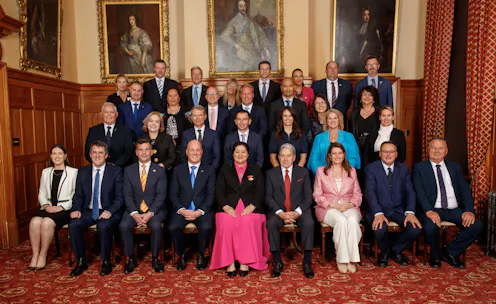
The coalition has made good on pledges to repeal, reduce or reverse the previous government’s policies. But the real test will be paying for its own policies and staying stable in the process.

The country’s first formal three-party coalition will test Christopher Luxon’s promise of ‘strong and stable’ government – and the minor parties’ patience if things don’t go their way.
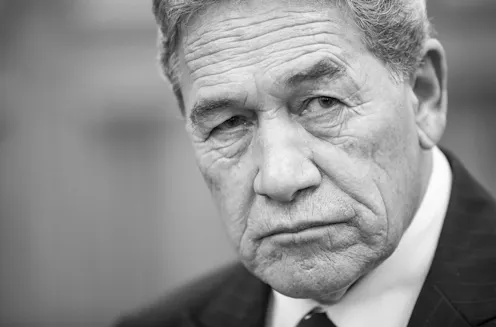
National and ACT will need to get past their animosity towards NZ First, and its mercurial leader Winston Peters, if the right wing coalition is to have any hope of forming a government.
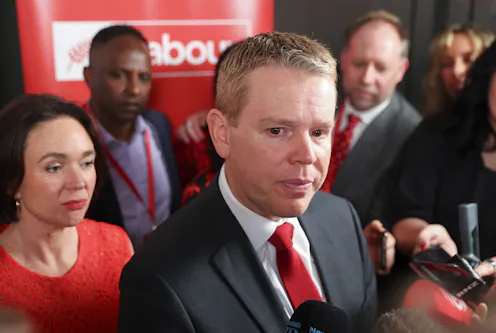
The final outcome of the general election may not be known for two weeks. But one thing is clear: the country has resoundingly rejected the government that led it through the pandemic.
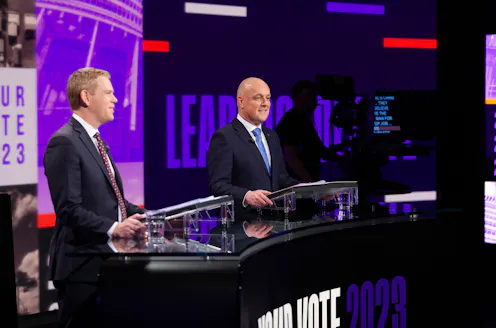
The final days of the campaign have seen both major parties warn of instability if the other wins. But behind the jockeying for power, other forces are shaping the future of New Zealand politics.
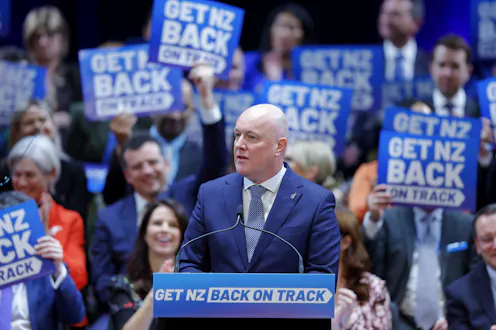
The landscape on the right of New Zealand politics is changing. If Christopher Luxon leads National to victory, his first test will be dealing with several potentially difficult coalition partners.

From commerce to public policy, cuts to New Zealand’s university humanities departments will have repercussions well beyond the so-called ‘ivory towers’.
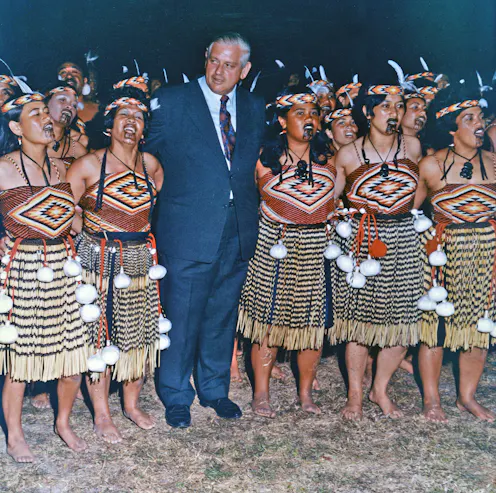
A new book about an old political leader asks what New Zealand has lost in the past five decades – and what it might yet regain.

Concern over bilingual road signs in New Zealand is as much political as it is about safety – but the international evidence suggests there’s little to worry about.
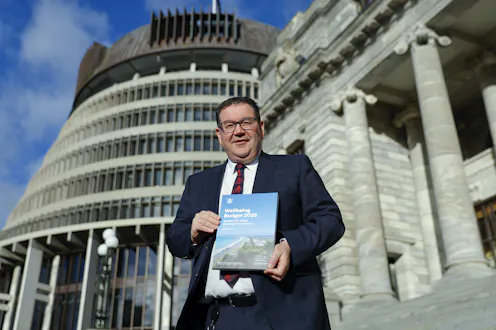
Incremental and pragmatic, New Zealand’s fifth Wellbeing Budget tries to balance cost-of-living support with huge long-term investment challenges – all without frightening the inflation horses.
Contact Richard for
- General
- Media request
- Speaking request
- Consulting / Advising
- Research collaboration
- Research supervision
- Location: Palmerston North, New Zealand
- Website
- Article Feed
- ORCID
- Joined
