
Younger journalists are often most affected in the ‘digital frontline’.
- Emeritus Professor of Journalism, Cardiff University
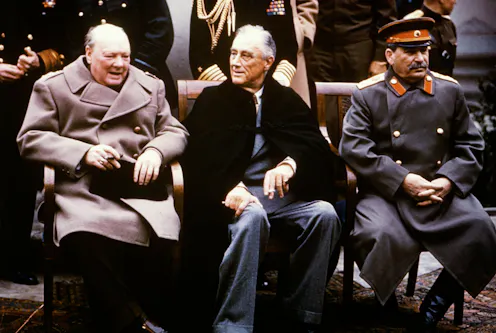
Putin’s rhetoric over Ukraine has roots in the end of the second world war, attitudes explained by Paul Winterton, a British journalist at the time.

Gareth Jones reported on Moscow’s genocide against the Ukrainian people in the 1930s. His story holds lessons and an example for those reporting on the latest conflict.
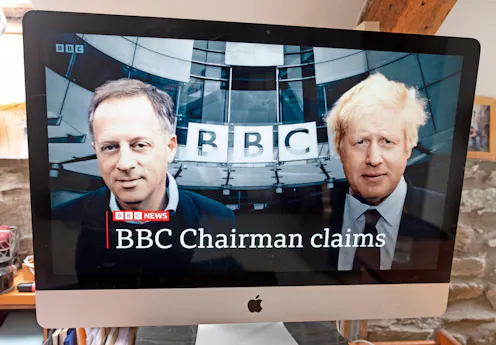
The row over the BBC Chairman’s relationship with former Prime Minister Boris Johnson has opened fresh questions about the level of political influence and independence at the broadcaster.
A cold war - and the importance of trusted information - is pushing the UK government to revise its attitude to the BBC.
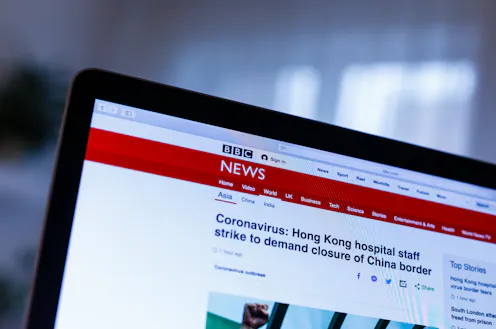
The BBC’s audiences have grown as it provides high quality news an information about the pandemic. But is it doing enough to hold the government to account?
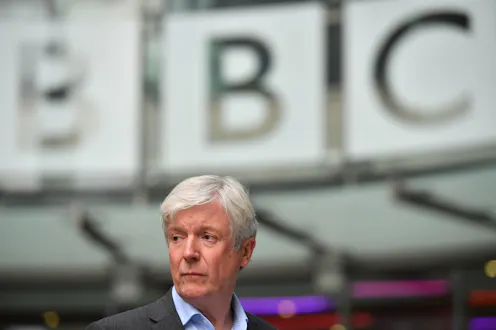
As the BBC starts its search for the next director general, it faces multiple problems, but there is also opportunity.

The cynicism of political lies and the fear of losing control by opening up the corridors of power can’t last.
Journalism needs to rebuild public trust, but it won’t be easy.
Established media organisations are collaborating across borders and with new media to break big stories such as global tax avoidance by the rich and powerful.
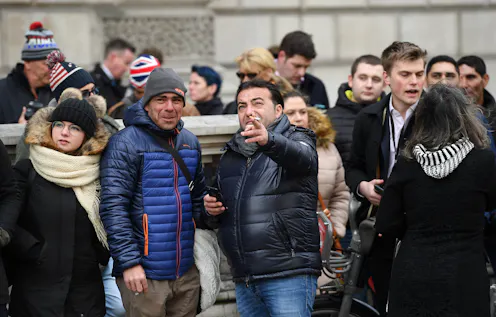
In the rush to compete, news organisations can still make basic errors. They need to remember the lessons of the past.
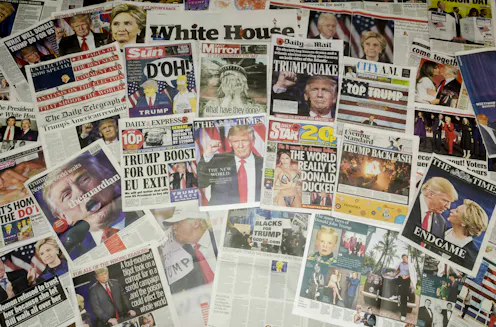
A new book forecasts a challenging future for UK newspapers and mounts a strong argument for investment in quality.

If we’re living in a ‘post-truth’ world, the press must take much of the blame.
There are radical proposals and new platforms, yet on the crucial issue of independence concerns remain.
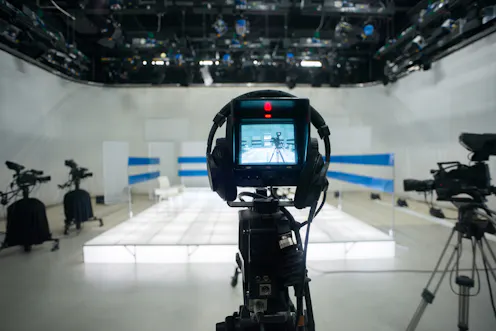
The latest research shows that people are deserting TV for digital media. This is especially true of broadcast news.
Some of the key questions faced by news organisations before publishing their scoop.
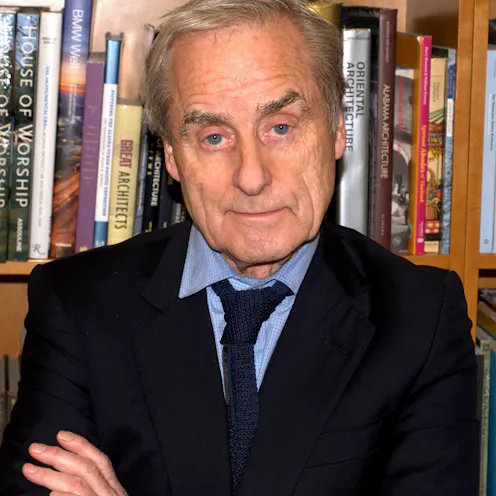
Sir Harold Evans talks to Richard Sambrook about The Sunday Times’ moral campaign against thalidomide’s manufacturers, the fight for political validation and the rise of investigative journalism.

It’s time to work out how we really feel about the BBC.
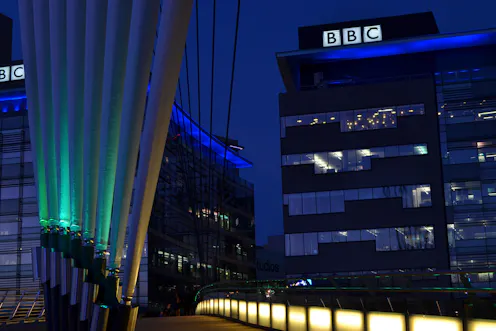
It may all come down to how broadcasters interpret their impartiality requirements.
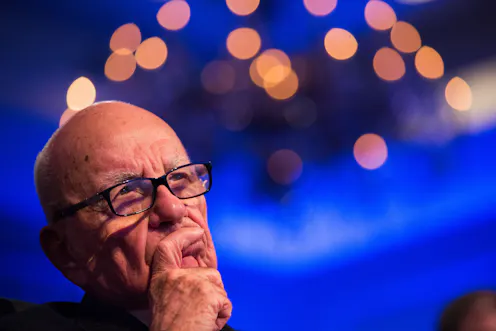
The press doesn’t have as much sway with voters as it once did, but it still sets the boundaries of debate.
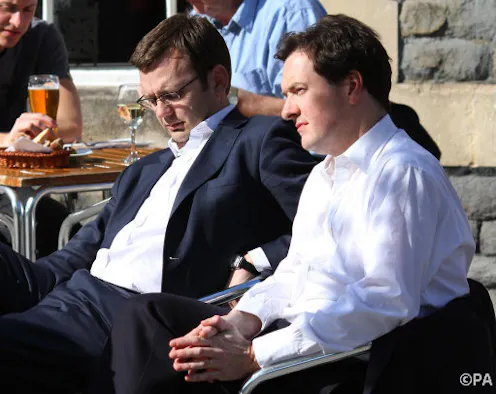
Andy Coulson has been found guilty of phone hacking and his former boss, Prime Minister David Cameron, has been quick to apologise for “giving him a second chance” by employing the former News of the World…
Whoever takes over from Lord Patten as the new head of the BBC Trust has a tough job ahead – there’s the Scottish referendum and the general election, both potential minefields for a public broadcaster…
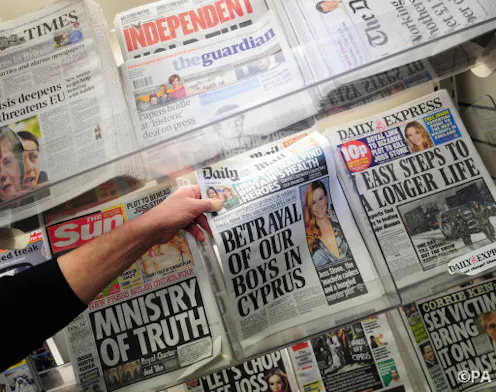
At first glance, the British news industry looks to be in trouble. With editors in the dock, a fraught new system of regulation, and declining newspaper circulation, it’s easy to panic about the trajectory…
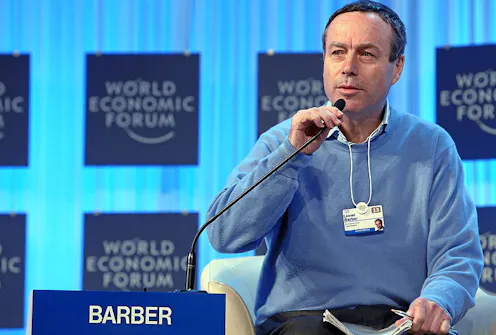
One of the most irritating things about digital journalism evangelists is their lack of respect for editorial leaders who have to take old institutions into the new age. Yes, of course the future is digital…
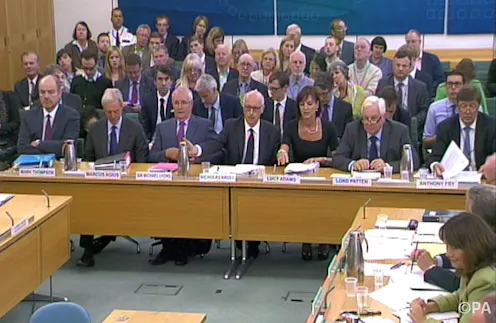
“Unedifying” was the label the chairman of the Public Accounts Committee gave to the spectacle of some of the BBC’s most senior figures - past and present - squabbling over who knew what about big redundancy…
Contact Richard for
- General
- Media request
- Speaking request
- Consulting / Advising
- Research collaboration
- Research supervision
- Location: London and Cardiff
- Website
- BlueSky: @sambrook.bsky.social
- X (formerly Twitter): @sambrook
- Article Feed
- Joined
