
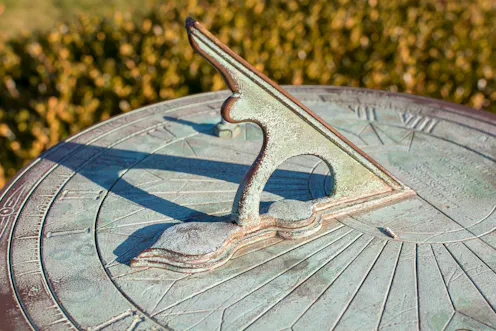
Humans have natural cycles for when they are active and for when they sleep. Modern work and school schedules interfere with this, and more studies are showing why there’s a possible health risk.
- Professor, School of Medicine, University of Connecticut

What is proof? In both law and science, it’s basically a consensus of experts – but they work at very different speeds. That means juries may reach verdicts on an issue before the science is settled.
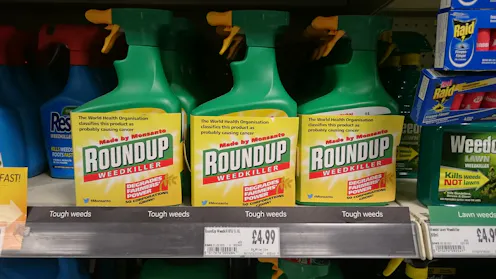
Thousands of people are suing Monsanto, claiming that its Roundup herbicide gave them cancer. A California judge has reduced the first damage award but let the verdict against Monsanto stand.
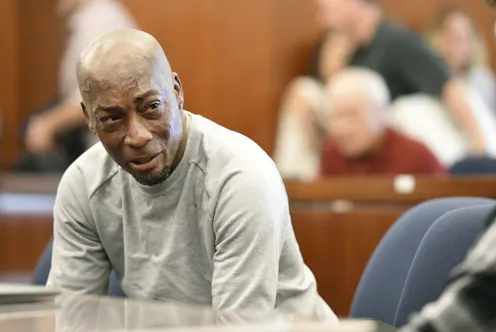
A jury concluded on Aug. 10 that exposure to the herbicide Roundup caused Dewayne Johnson’s cancer and ordered the company to pay $289 million in damages. Thousands more claims are pending.
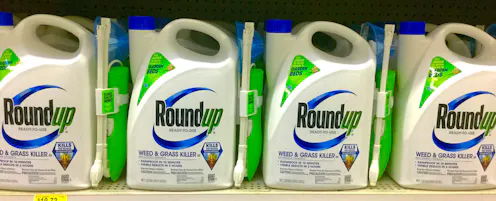
Hundreds of lawsuits against Monsanto contend that its popular Roundup weed killer gave users cancer. But proving this kind of connection is challenging in both science and law.
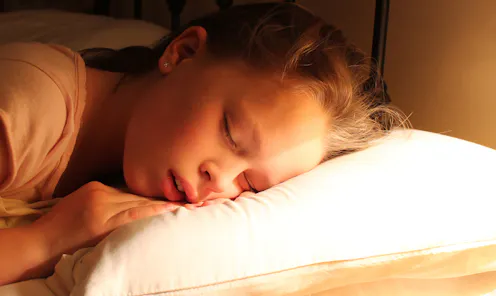
A recent study suggested that a chemical responsible for getting the body ready for sleep was suppressed in children by too much evening light. A circadian rhythm expert explains the dangers.
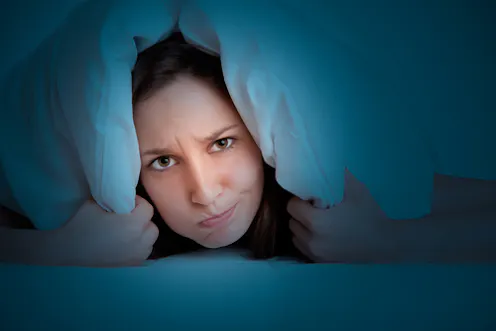
Evidence for a link between breast cancer and artificial light appears to be growing. Do studies showing higher risk of breast cancer the farther west a woman lives in a time zone add to the science?
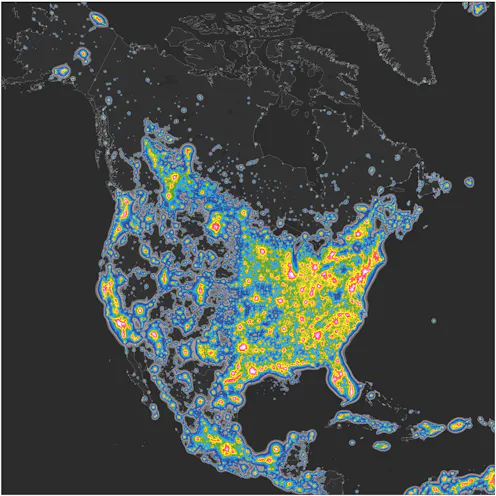
Study uses satellite data to add to growing evidence that nighttime light exposure raises risk of breast cancer, with the strongest link among young women.
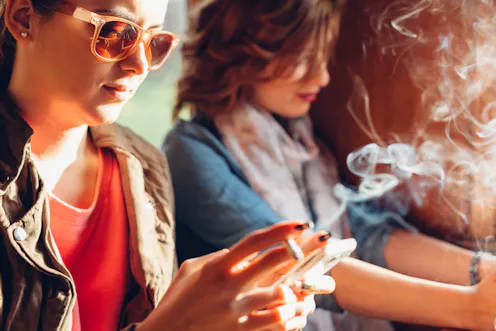
The first step in discovering whether something is a carcinogen is epidemiology.
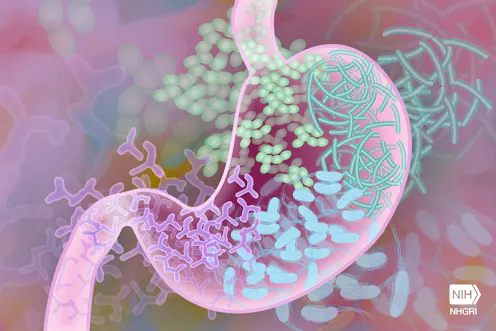
New research suggests our gut microbes have their own circadian rhythms that in turn influence our organ functions. Is this an explanation for how disrupting our daily patterns can cause health problems?
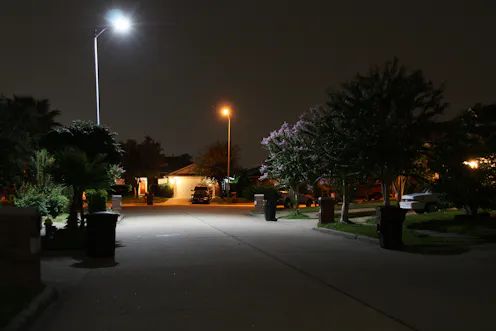
The American Medical Association (AMA) issued guidelines for communities to reduce harmful effects of LED streetlights. A medical researcher explains what can go wrong.
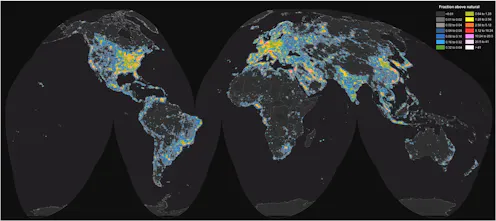
Eighty percent of North Americans can no longer see the Milky Way at night. But the problem with light pollution isn’t just about stargazing.
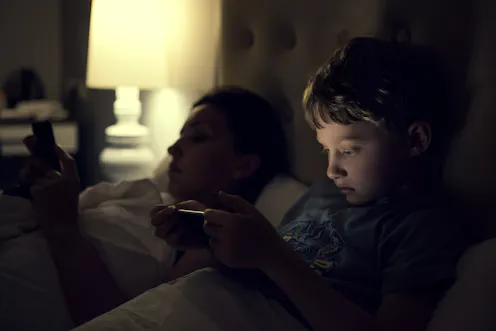
Is electricity making us sleep less? A new study on sleep in preindustrial societies suggests the answer is no. But it misses a big point: people in preindustrial societies spend more time in darkness than we do.
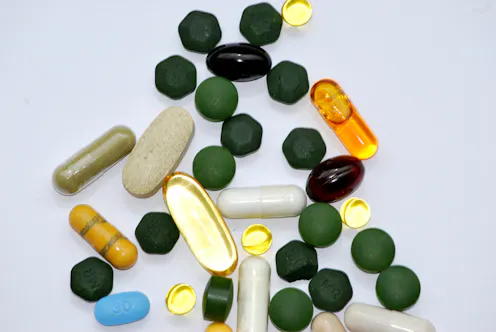
En matière d’antioxydants, le mieux est l’ennemi du bien. Un trop fort dosage fait peser un risque sur la santé. Choisissez plutôt une belle salade.
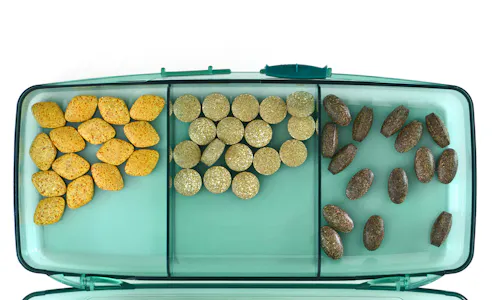
If the antioxidants that occur naturally in food are good for us, that must mean antioxidant supplements are also good for us, right? Not quite.
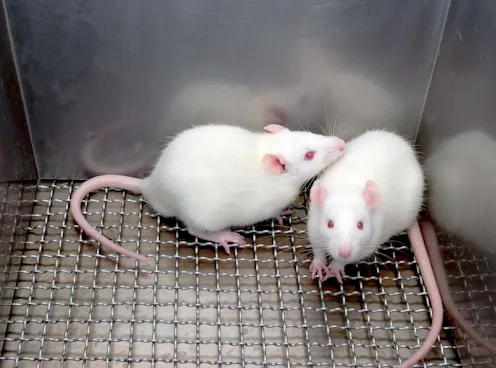
How does one prove that shift work causes breast cancer, as the authors of the new study claim? A cancer epidemiologist explains how scientists weigh evidence to figure out what causes cancer.
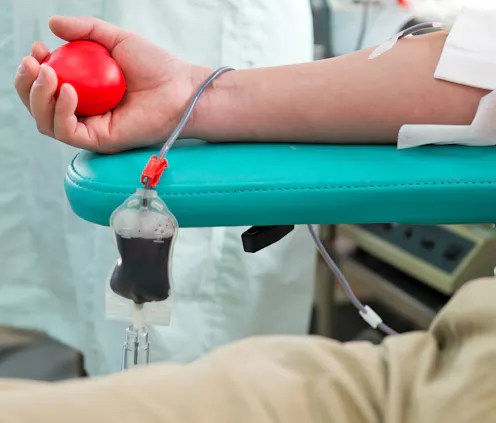
After years of conflicting research and often extreme opinions on iron, it turns out that like anything else that is a benefit in moderation, in excess it is a detriment.
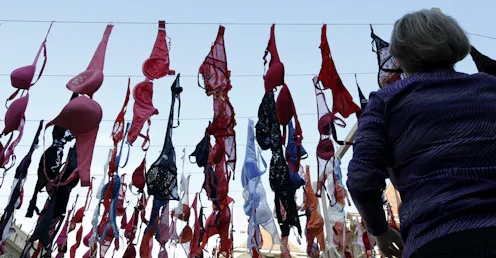
Major causes have been identified for most common cancers, like liver and lung. But we still haven’t identified one for breast cancer.
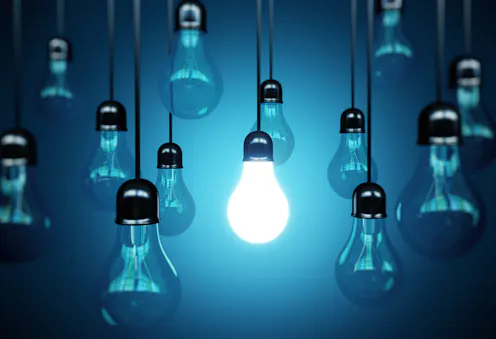
Today, most of us get too little light during the day and too much at night for our circadian rhythm to function at its best.
Contact Richard for
- General
- Media request
- Speaking request
- Consulting / Advising
- Research collaboration
- Research supervision
- Location: Farmington, CT, USA
- Website
- Article Feed
- Joined
