
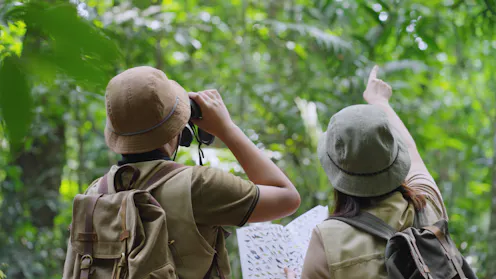
Citizen science offers people something simple but powerful: a reason to step outside, pay attention, and reconnect with the living world around them.
- Professor in Biodiversity and Conservation, The University of Queensland
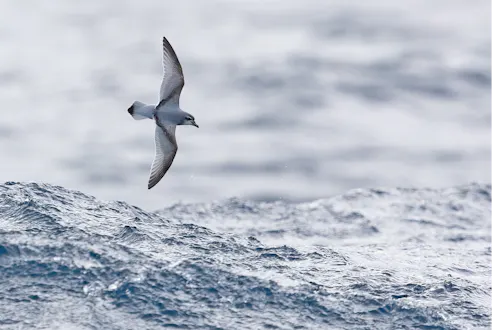
One of the world’s largest programs to eradicate multiple predators and pests has started to restore the island and its once vast nesting colonies to their former glory.
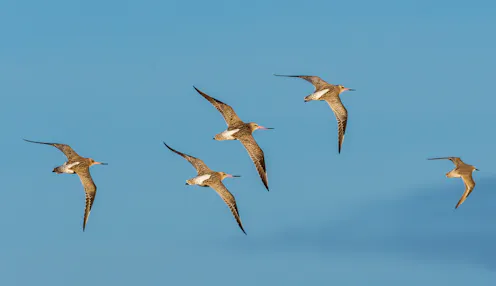
Wildebeest herds churning dust. Sturgeon seeking spawning grounds. Shorebirds flying from Siberia. These iconic animal migrations could soon be a memory.
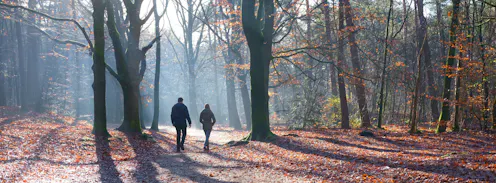
Our feelings about nature depend on lots of factors, but a new study shows our genes are one of the most important.
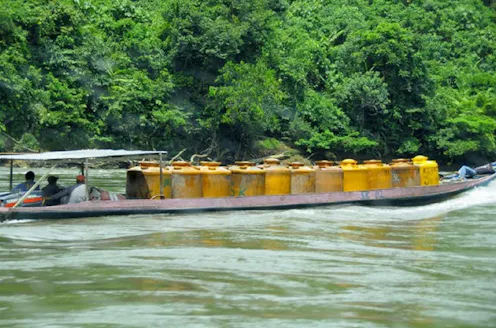
Hace 146 años, el Parque Nacional de Yellowstone, en Estados Unidos, se convirtió en la primera zona protegida del mundo. Hoy hay más de 200.000 reservas naturales.
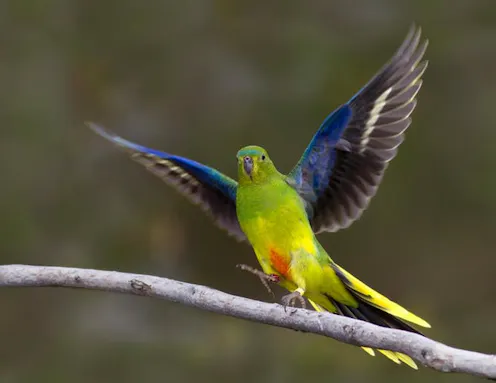
When environmental needs outstrip government funds, people power steps up.

The world’s national parks cover an area bigger than South America. But a new survey finds that one-third of this area is subject to pressure from human developments, potentially putting wildlife at risk.
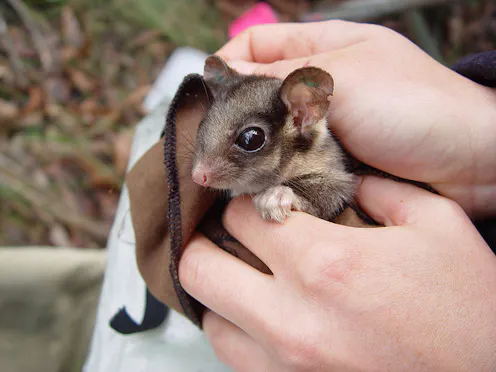
Just a handful of federal members of parliament represent hundreds of Australia’s threatened species.

Climate change is set to expand Antarctica’s ice-free area, potentially helping native species to flourish but also paving the way for invasive species to gain a foothold.
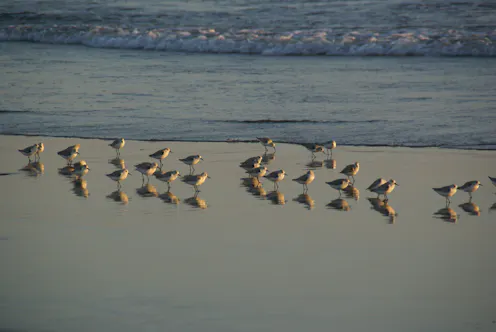
We aren’t just jostling with each other for beach space. Scuttling, waddling, hopping or flying away from beachgoers all around Australia, wildlife struggles to survive the daily disturbances.

Since 1992, an area of land two-thirds the size of Australia has been converted to human use.
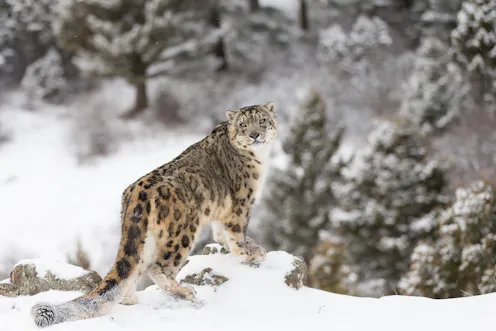
Climate change gets a lot of the spotlight when it comes to saving wildlife. But bigger threats remain.
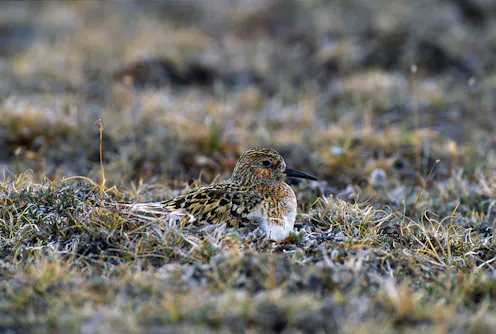
For birds migrating to the top of the world, the warming climate could severely contract the available space they have to breed.
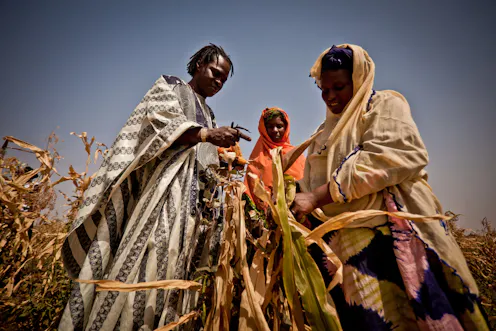
The countries that have contributed the least to climate change will experience the worst of its effects.
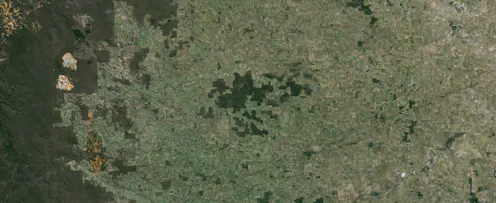
Australia may have reputation for vast areas of wilderness, but in reality the continent’s ecosystems have been chopped and diced. Now we need to protect what’s left.
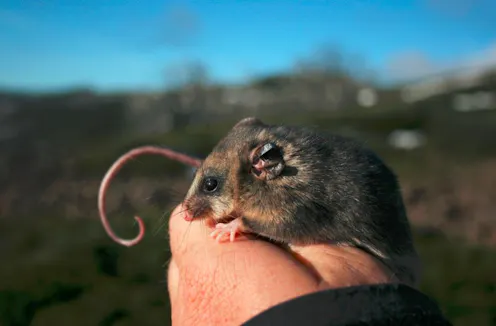
Nearly half of 200 Australian species are threatened by climate change, according to new research, including the iconic mountain pygmy-possum.
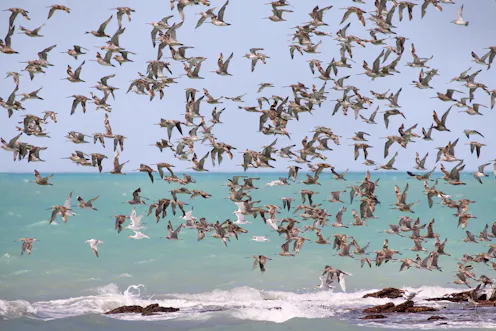
Five million shorebirds migrate between Australia and the northern hemisphere, threatened by habitat destruction, and rising seas. How can we protect this natural marvel?
Contact Richard for
- General
- Media request
- Speaking request
- Consulting / Advising
- Research collaboration
- Research supervision
- Location: Brisbane, Australia
- Website
- Article Feed
- ORCID
- Joined
