
The triple whammy of deep staff cuts, shutdown furloughs and the expiration of an information-sharing law leaves national cybersecurity in a perilous state.
- Teaching Professor of Computer Science and Electrical Engineering, and Associate Director, UMBC Cybersecurity Institute, University of Maryland, Baltimore County
The perennial tug-of-war between government interests and individual liberties is playing out in the battle over encrypted messaging. Technology tilts the field toward individuals.
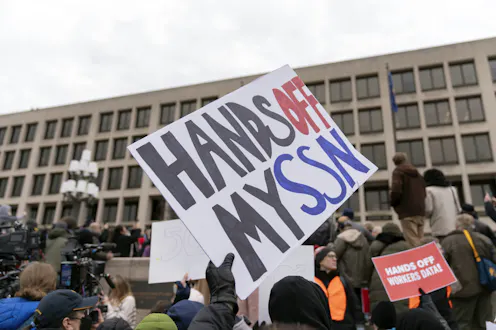
News reports paint a frightening picture of DOGE staff trampling time-tested – and in many cases legally required – management and security practices.
Chinese hackers are alleged to have broken into US phone networks, giving Chinese intelligence services a window onto specific Americans’ phone and messaging activity.

Smartphones may be indispensable to modern life, but they’re also perfect tools for spying on their owners. Anyone looking to avoid being tracked – like, say, militant groups – tends to ditch them.
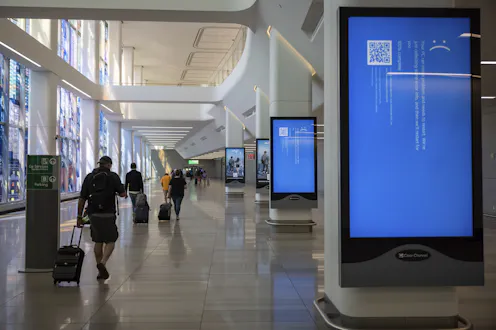
A faulty software update crippled airlines, hospitals and government services. A security researcher explains why it’s likely to happen again and what needs to be done to lower the odds of a repeat.

When political discourse is devoid of facts and high on demonization, it’s no surprise that political violence is the result. There is a way out, but it’s slow and will take effort.
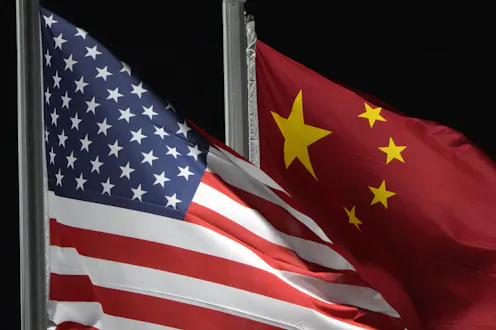
Chinese state-sponsored hackers are targeting critical infrastructure. Here’s what they’re doing, how the US government is responding and how you can help.

‘Star Trek: Picard’ is set 400 years in the future, but, like most science fiction, it deals with issues in the here and now. The show’s third and final season provides a lens on cybersecurity.
The new National Cybersecurity Strategy reiterates the government’s focus on resilient infrastructure and taking the offensive against hackers. But it also brings a fresh approach to the private sector.

Voter demographics and policy priorities are two recurrent, big issues on Election Day – but shifts in election administration and voting laws are new challenges influencing the midterms.
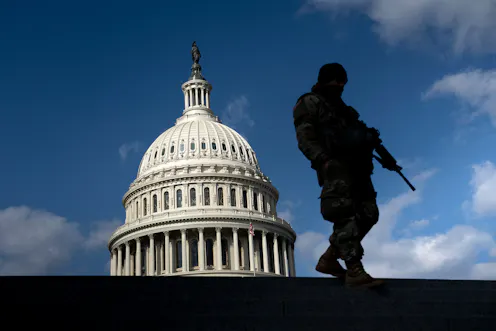
The rise in contemporary right-wing political extremism – and violence – can be traced back to events in the 1990s.

Former Twitter security chief alleges in a whistleblower complaint gross security malpractice, with many employees having access to the social media platform’s code as well as user data.
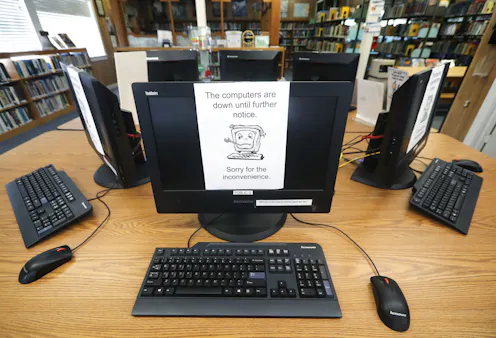
With Russia poised to launch cyberattacks on US targets, many local governments find themselves without the staff or resources to even recognize when they’re under attack.

Russia’s cyberattack capabilities can be applied to US targets, including regular Americans’ homes and businesses.

A ransomware attack on election-related government computers in a Georgia county raises the specter of more disruptions for Election Day voting and vote tabulation.

Political leaders are ignoring dangerous threats to American national sovereignty, security and citizens’ peace of mind.

Ransomware has crippled governments and companies around the world, encrypting data and demanding payment for the decryption key – though that’s no guarantee of recovering the information.
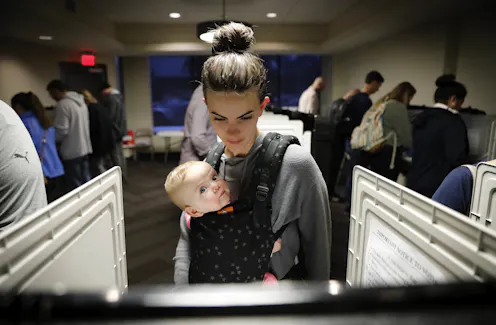
Protecting democracy requires more than just technical solutions. It includes education, critical thinking and members of society working together to agree on problems and find solutions.

Russian hackers are coupling old propaganda strategies with new technologies to attack and exploit not just computers and stored data, but how people think.
The modern world depends on critical systems, networks and data repositories that are not as secure as they should be. Breaches will continue until society as a whole makes some big changes.
The latest release from WikiLeaks, of information about CIA hacking efforts, is yet another reminder of how Americans and our government must better protect our secret information.

Dulled by hearing the same old recommendations to improve internet security, we are worn out. It’s time for a new approach, involving us all.

Though there is no indication hackers affected the outcome of the election, we still must act to improve the cybersecurity of American elections.
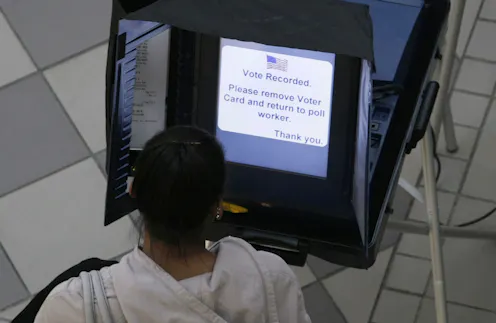
With the DNC email leak and Trump calling on Russia to hack Clinton’s emails, concern about foreign meddling in the 2016 presidential election process is rising. Is e-voting the next cyber battleground?
Contact Richard for
- General
- Media request
- Speaking request
- Consulting / Advising
- Research collaboration
- Research supervision
- Location: Baltimore, Maryland, U.S.
- Website
- Article Feed
-
- Joined
