

Clean air has become one of America’s best investments, returning $10 for every $1 spent on regulations, by one estimate.
- Professor of Environmental Health Sciences, UMass Amherst
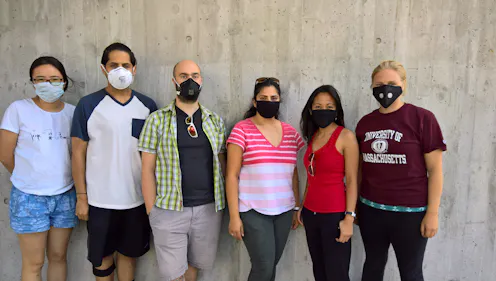
Masker muka dari kain murah yang dikenakan oleh banyak orang di negara-negara berkembang yang sangat tercemar, ternyata hanya menawarkan perlindungan parsial.
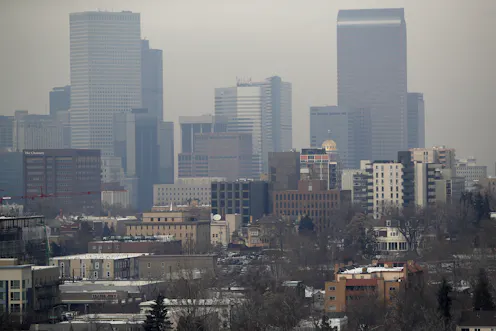
Are health risks from air pollution less serious than we think? Mainstream scientists call this a fringe view, but it’s getting high-level attention at the Environmental Protection Agency.

Haze from Northern California wildfires has drifted as far east as Philadelphia. Wildfire smoke contains many potentially toxic substances, so anyone exposed to it should take basic precautions.

According to one study, more than 8 million people per year die early from air pollution exposure.
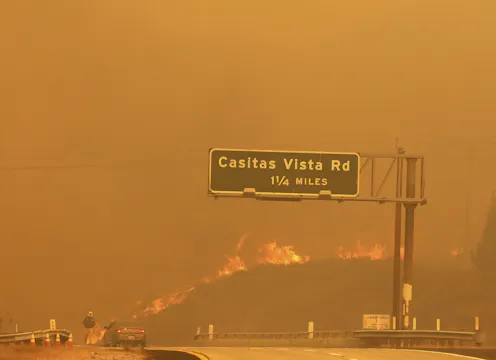
Intense wildfires in southern California are triggering air quality alerts. Health experts know surprisingly little about how inhaling smoke affects human health, especially over the long term.
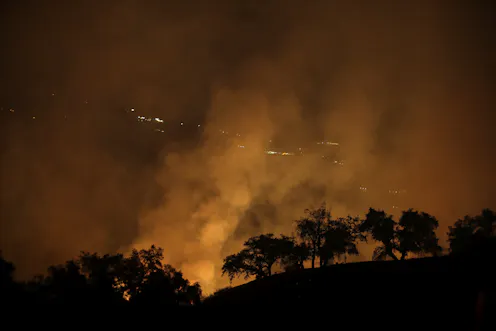
Wildfires in California have triggered a public health emergency. One threat is smoke inhalation: Some air readings have registered pollution levels comparable to bad air days in Beijing or Mumbai.

Citizens and activists are using cheap off-the-shelf sensors to collect their own data on air pollution. It’s a promising trend, but these devices have serious technical limitations.
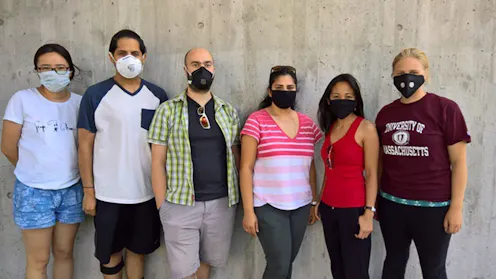
De récents travaux montrent que les masques antipollution portés dans les grandes villes des pays en voie de développement n’offrent que très peu de protection contre les particules fines.

Inexpensive cloth face masks, worn by many people in heavily polluted countries, offer only partial protection. Instead governments should warn people to avoid exposure and work to clear the air.
Contact Richard for
- General
- Media request
- Speaking request
- Consulting / Advising
- Research collaboration
- Research supervision
- Location: Amherst, Massachusetts, U.S.
- Website
- Article Feed
- Joined
