
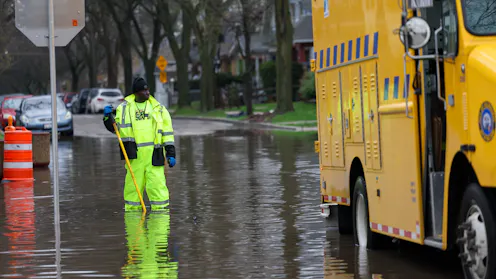
Days of intense rain and snowmelt overwhelmed old dams and breached roads, forcing evacuations. Nearly half the counties in Michigan – often seen as a climate haven – were under a state of emergency.
- Professor Emeritus of Climate and Space Sciences and Engineering, University of Michigan
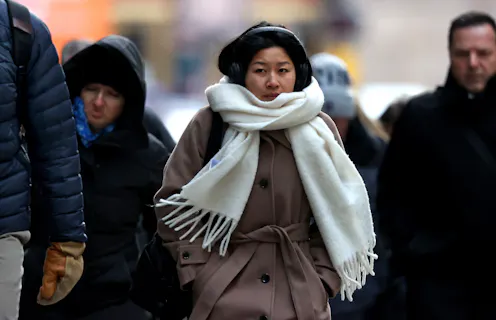
That depends on how you define ‘normal.’ The baseline has been creeping up as the planet warms.
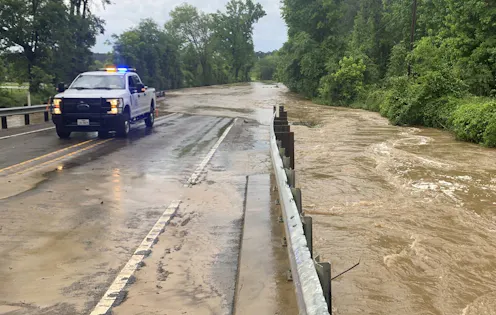
Too much pavement and old drainage systems are just two of the problems communities face.
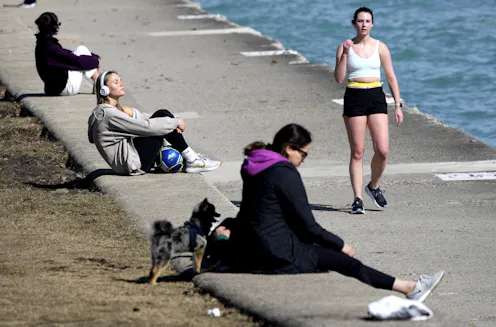
As the climate changes and weather warms, the freezing line is shifting, bringing rain to many regions more accustomed to snow.
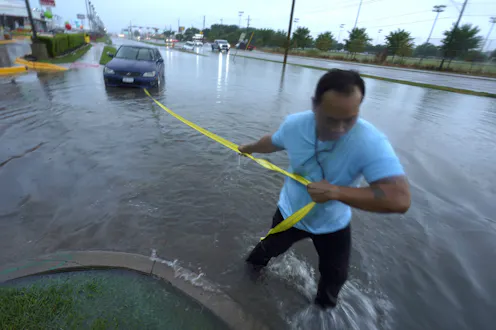
Flood risks are rising as the climate warms. The risks are complex, as a levee or new roadway in one place can worsen flooding somewhere else.
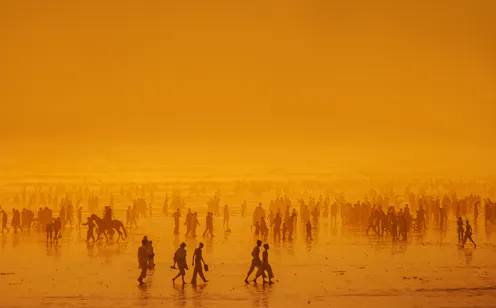
If fossil fuel burning stopped, emerging research suggests air temperatures could level off sooner than expected. But that doesn’t mean the damage stops.
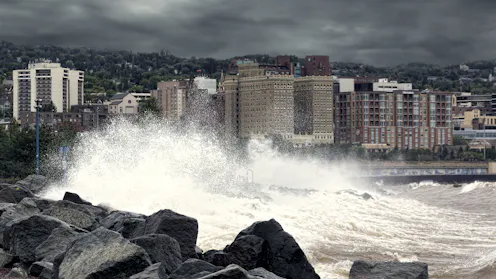
Over the past 20 years, Great Lakes water levels have gone from sustained multiyear lows to multiyear highs. Climate change is accelerating the transition between dry phases and wet phases.

Why assembling two teams to debate climate change is all about political spectacle and sowing doubt – and has nothing to do with actual climate science.
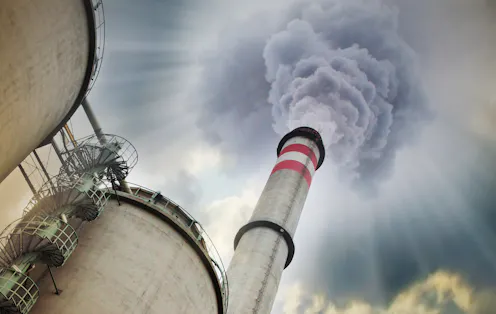
Set aside the politics. If by some miracle we turned off carbon emissions immediately, how would the climate respond?
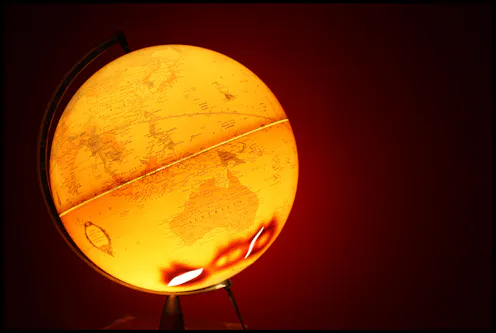
If you’re always above average, it’s probably time to redefine what’s normal. The new normal for Earth’s climate is systematically rising temperatures.
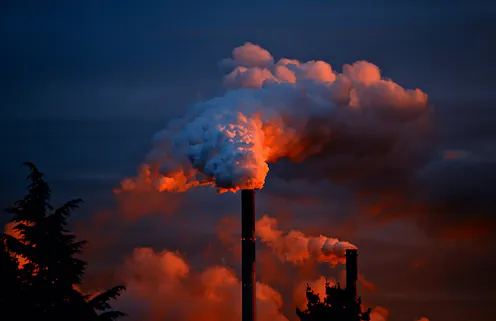
Earth’s climate is changing rapidly. We know this from billions of observations, documented in thousands of journal papers and texts and summarized every few years by the United Nations’ Intergovernmental…
Contact Richard for
- General
- Media request
- Speaking request
- Consulting / Advising
- Research collaboration
- Research supervision
- Location: Ann Arbor, Michigan, U.S.
- Website
- Article Feed
- ORCID
- Joined
