
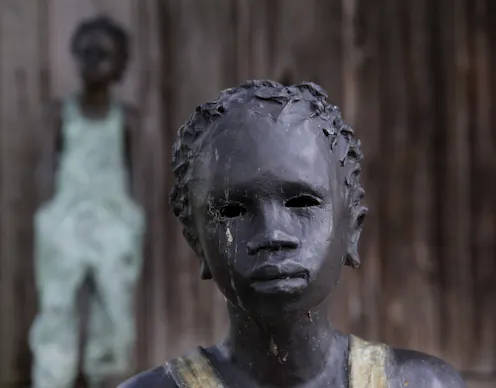
There are major obstacles in confronting the social movement for reparations for the slave trade. Such reparations are a moral imperative, but politically, successfully obtaining them will be hard.
- Professor Emeritus, Department of Political Science, Wilfrid Laurier University
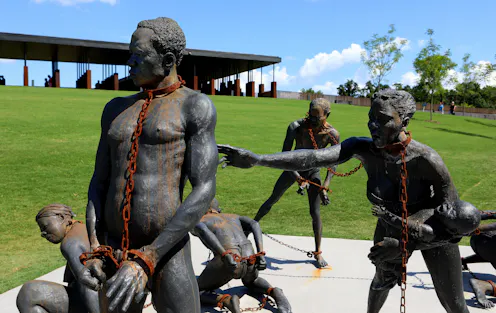
The turn towards authoritarianism, xenophobia and racism in Western democracies makes it unlikely that former Western slave-trading nations will agree to reparations in the near future.
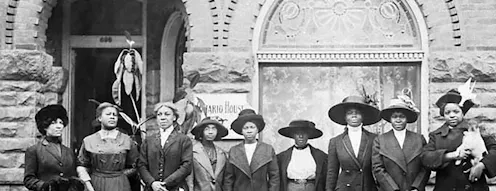
Reparations to African Canadians for enslavement and historical injustices need not be financial payments to every individual African Canadian. Instead funds for specific groups are a viable option.
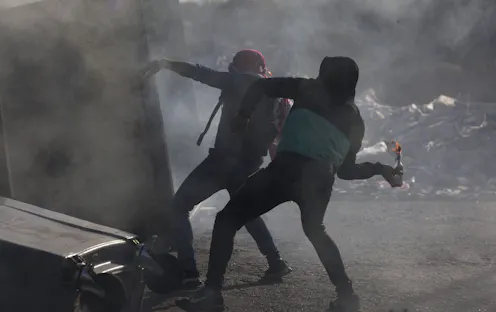
There’s little hope as we head into 2020 that Israel will negotiate in good faith with Palestinian leaders. Yet Israel will never be safe from attack until it does so.
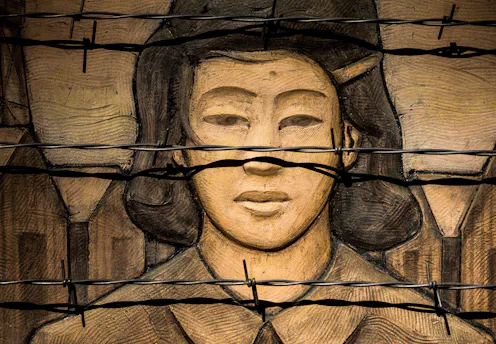
Social movement theory helps to explain why Japanese-Americans received reparations but the same will be much more challenging to provide for African-Americans.
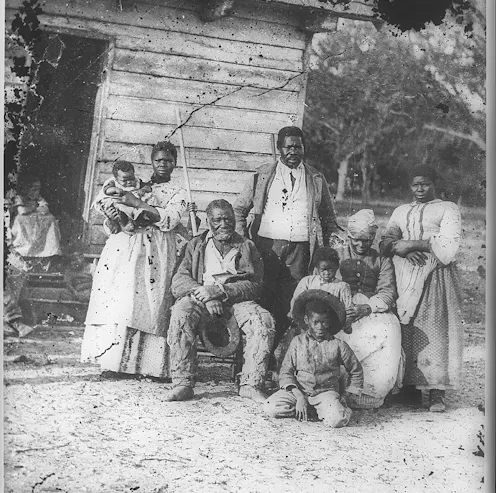
Although financial reparation for African-Americans may be complicated to achieve, steps such as accurate acknowledgement of atrocities as well as public apologies and memorials can be enacted.

The final MMIWG report says that genocide does not refer only to the deliberate murder of some or all members of a particular social group. It also refers to the destruction of a group as a social unit.
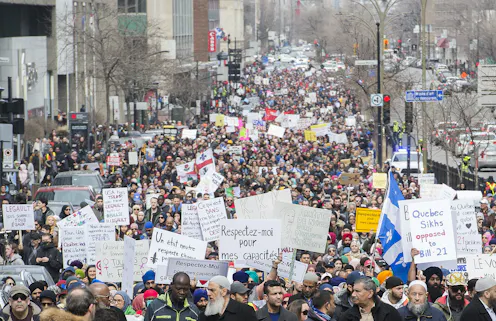
The proposed secular law (Bill 21) in the province of Québec appears to be directed primarily against Montreal and Québec City, and reflects a fear of strangers in Québec’s more homogeneous regions.

Last week a Russian, Sergei Skrynnikov, was charged with “participating in an extremist organization” because he is allegedly a Jehovah’s Witness.
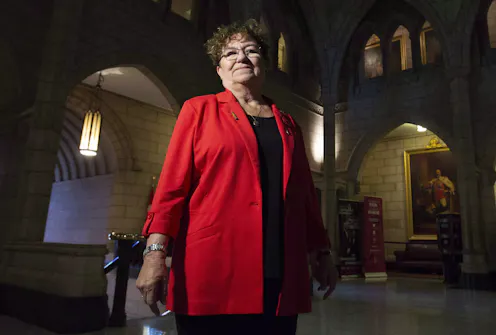
It may not be legally called genocide, but the impact of the Canadian government’s actions, including the sterilization of Indigenous women, still add up to genocidal practices.
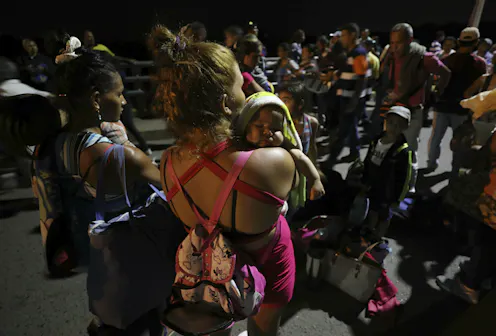
Food shortages in Venezuela are a result of draconian government policies and should be declared an international crime against humanity.
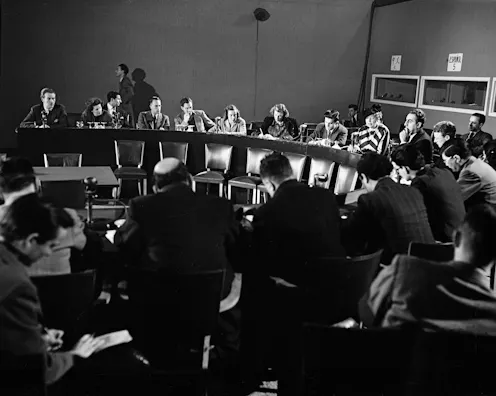
Dec. 10, 2018 is the 70th anniversary of the Universal Declaration of Human Rights, proclaimed in 1948 by the United Nations General Assembly.
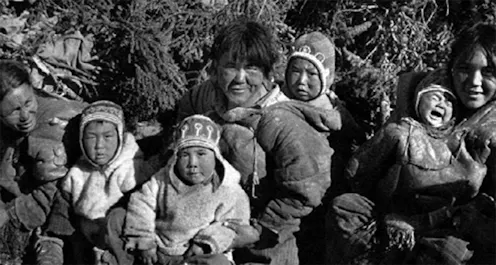
Once we understand genocide as something that can take awhile, with victims dying of starvation and disease rather than outright murder, we can recognize the genocide of Indigenous peoples in Canada.
Contact Rhoda for
- General
- Media request
- Speaking request
- Consulting / Advising
- Research collaboration
- Research supervision
- Article Feed
- Joined
