

We spend a lot of time and money treating chronic health conditions. But we could prevent some of them in the first place if we improved housing.
- Professor of Social Epidemiology and Director of the Centre of Research Excellence in Healthy Housing at the Melbourne School of Population and Global Health, The University of Melbourne
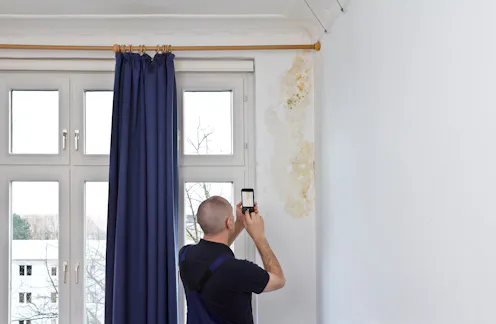
If the cause of the mould is related to the design and construction of the house, rental providers should act.

The disability royal commission and the NDIS review have called for consistent accessibility standards. That could improve inclusion, health and wellbeing for people with disability.

Here are 12 questions worth considering before you sign a residential tenancy agreement.

Renters with nowhere to go. Home owners forced into mortgage stress. If our homes are damaged by floods or fires, it damages our health for years afterwards
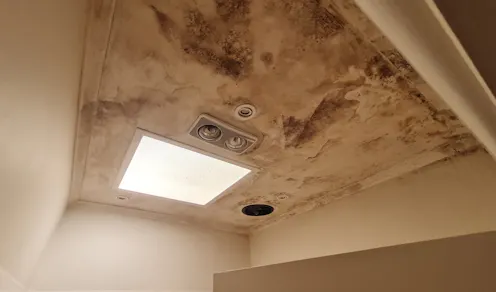
Mould is a health hazard and renters are most at risk. Here experts in health, law, building and construction examine the problem of mould in homes and offer guidance for both renters and landlords.
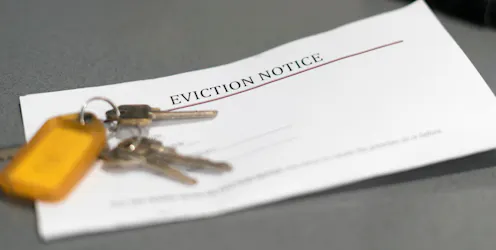
Controlling for other factors, the mental health cost of renting can be eliminated through longer tenure and greater security.
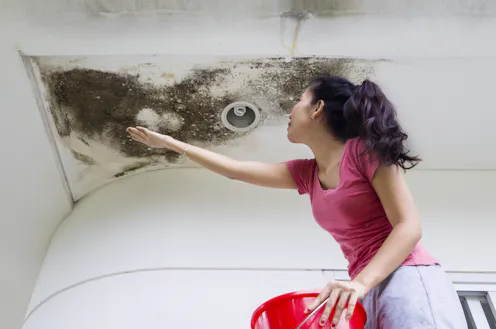
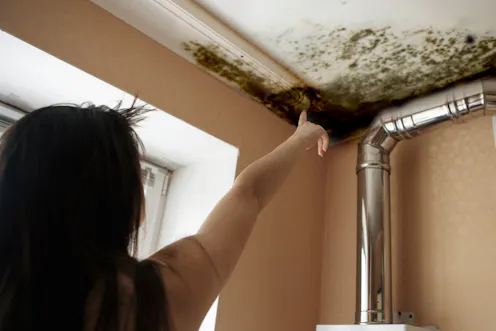
In a damp or water-damaged environment, toxic mould species grow and release spores that can cause health problems if inhaled.
In Australia, we do housing and we do health, but they sit in different portfolios of government and the policy dots aren’t joined often enough.
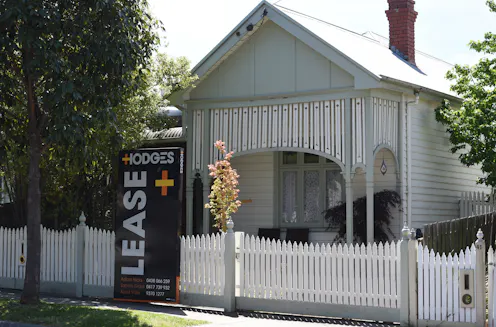
Accommodation providers are reporting huge increases in the numbers of people coming to them for help. They’d love to be able to use newly vacant rental housing, but it’s not a lasting solution.

The hotspots in Melbourne align with areas of significant housing and financial stress.

Many want to do the right thing – tenants and landlords alike. But they lack guidance on how to go about it while still keeping their own heads above water.

A home, a springboard, or a safety net? New research finds a surprisingly large number of Australians have lived in social housing since 2000, using it in several very different ways.

We just need shops, cafes and other services within easy reach to get us walking extra minutes in our busy days.

The difficulties for people facing housing disadvantage don’t end as soon as their situation improves. They are at higher risk of poorer mental health years or even decades later.
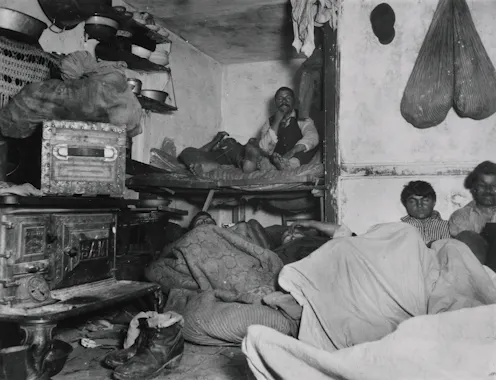
The standards we use today were designed to help avoid the overcrowded housing that blighted cities in the past. But severe overcrowding is again on the rise, so what needs to be done?
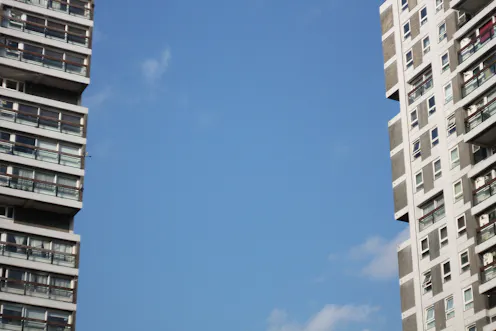
Research shows that when the government cuts housing benefit, it harms the mental health of those affected.
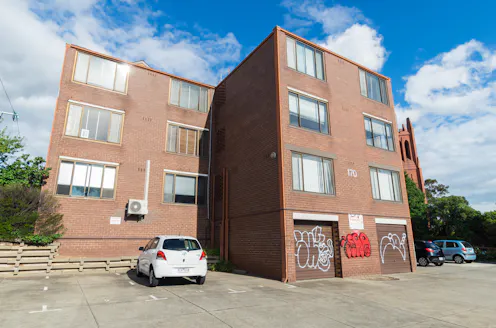
The effects of unaffordable housing cascade into other areas of life, in particular, affecting mental health.

Income poverty statistics tell us relatively little about why Australian children live in poverty, or how to alleviate it. But housing plays a critical part in the problem.
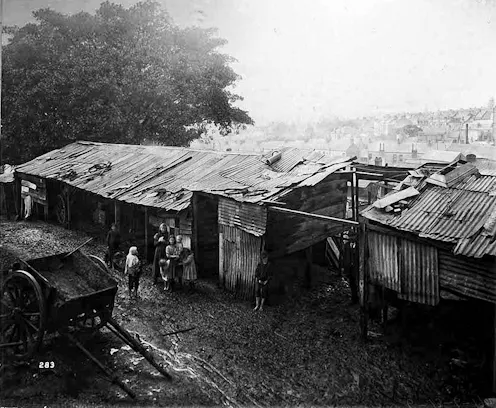
New research finds almost a million Australians are living in poor or very poor-quality housing, with more than 100,000 in dwellings regarded as very poor or derelict.
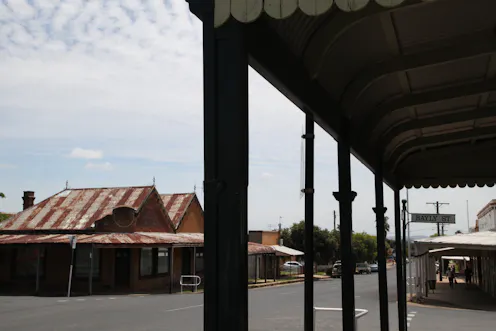
The 2016 articulation of an urban agenda assumes building more highways, railways and trams will produce better, more productive cities that somehow give everyone a job.
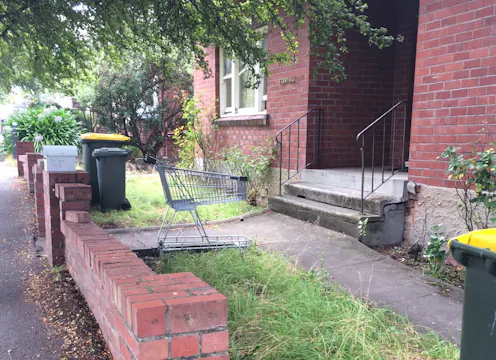
New research into affordable housing reveals some poorly understood distinctions that deserve great policy scrutiny.
Contact Rebecca for
- General
- Media request
- Speaking request
- Consulting / Advising
- Research collaboration
- Research supervision
- Location: Melbourne Australia
- Website
- X (formerly Twitter): @rebecca_bentley
- Article Feed
- ORCID
- Joined
