
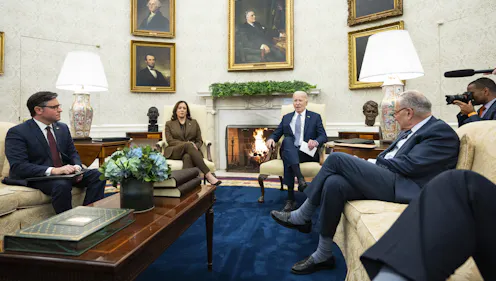
Congress is again on the brink of a government shutdown less than four months after the last close call.
- Professor of Public Policy (retired), University of Virginia

The threat to shut down the federal government to attain political goals appears to be an important factor in the budget negotiations.
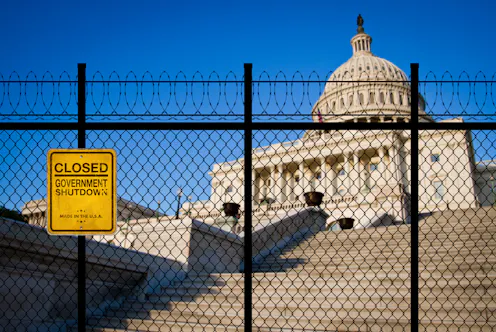
Shutting down the government won’t help reduce the deficit. Here’s what would.
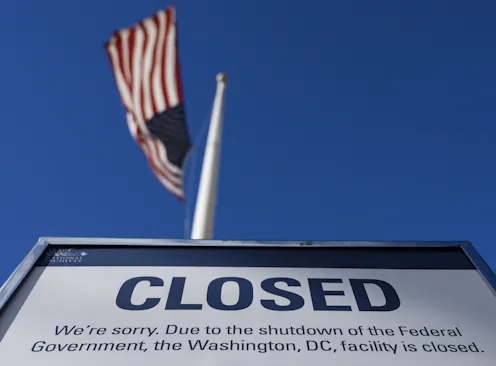
Lawmakers have given themselves a virtually impossible task – and the stakes are high.

A former executive director of the National Governors Association explains what it is about certain governors that makes them less suited for the presidency.
Congress passed and the president signed the deal just days before the US was expected to default on its debt.
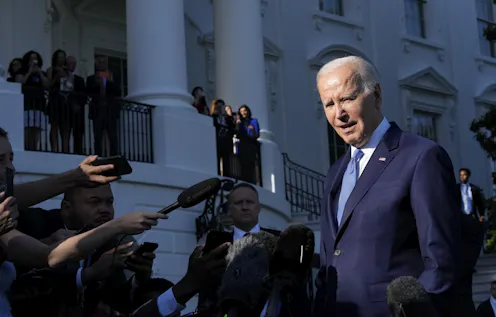
The deal would raise the ceiling for two years, cap some federal spending and impose new work requirements on certain federal benefits. It still needs the blessing of Congress.
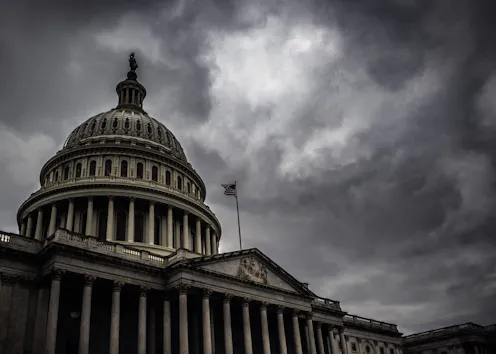
How will the House vote on the deal negotiated by the White House and GOP leaders? If they reject it, there are political as well as huge economic risks to debt standoffs in Congress.
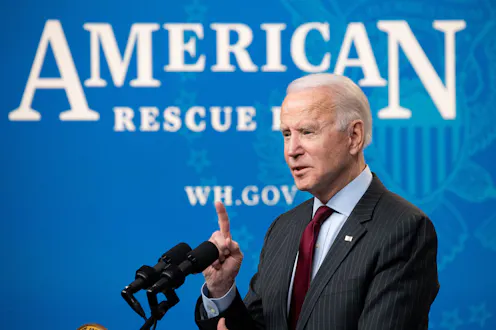
The federal government sent a lot of money to states to help with an anticipated COVID-related economic downturn. Turns out, states did not need that much money – but they may spend it anyway.
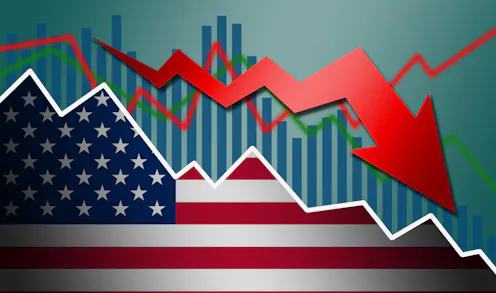
The headlines were inescapable: States faced a financial disaster of epic proportions because of COVID-19. The predictions were wrong.
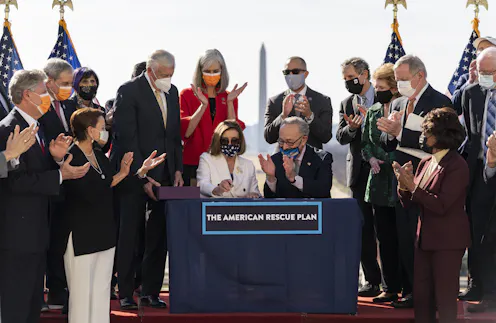
Four articles from The Conversation US archive provide context and analysis on the historic legislation.
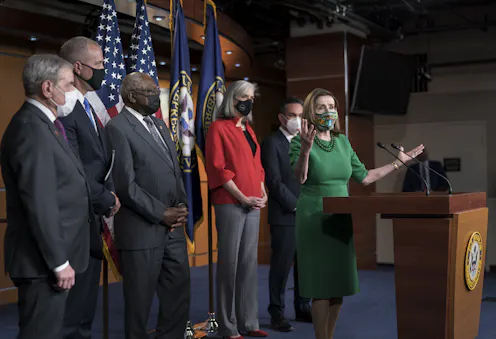
In 1974, Congress invented the reconciliation process to reduce deficits. More recently, reconciliation has been used in ways that increase the deficit. A public policy scholar explains the process.

Many of the public employee pension plans run by states don’t have enough money in them to make upcoming pension payments to retired state workers. The pandemic could make that problem much worse.
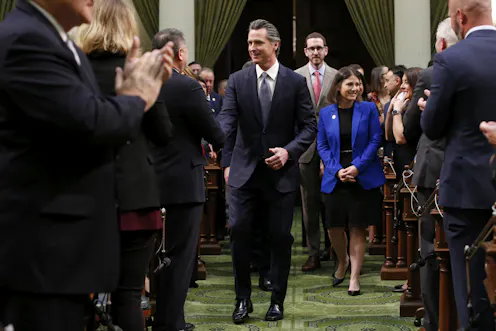
As Congress considers further financial help for victims of the coronavirus pandemic, the magnitude of the fiscal crisis that governors and their states will have to face is just starting to emerge.
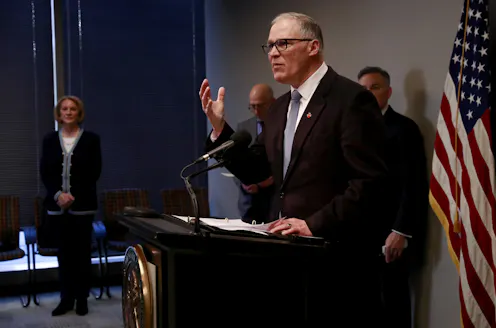
Federal government officials are on television almost every day responding to the coronavirus pandemic. But it’s the nation’s governors who are taking aggressive action in the states.
Contact Raymond for
- General
- Media request
- Speaking request
- Consulting / Advising
- Research collaboration
- Research supervision
- Location: Charlottesville, Virginia, U.S.
- Website
- Article Feed
- Joined
