
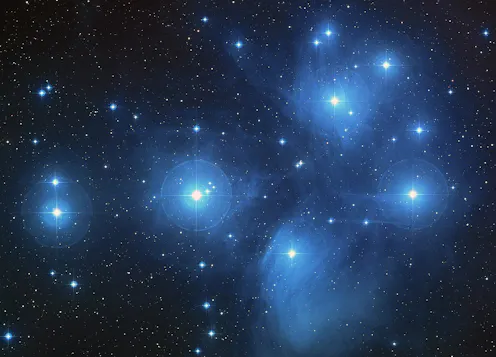
Budaya di seluruh dunia menyebut rasi bintang Pleiades sebagai ‘tujuh bersaudara’, meskipun kita hanya bisa melihat enam bintang saat ini. Apa yang terjadi?
- Honorary Fellow, Space and Astronomy, CSIRO
- Adjunct Professor, Astrophysics, Western Sydney University
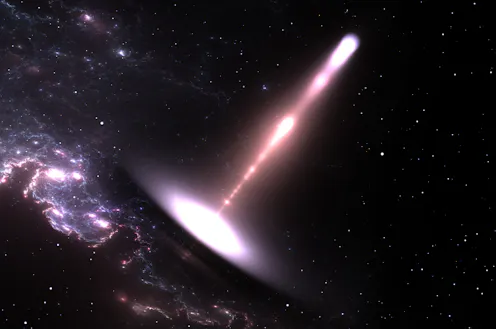
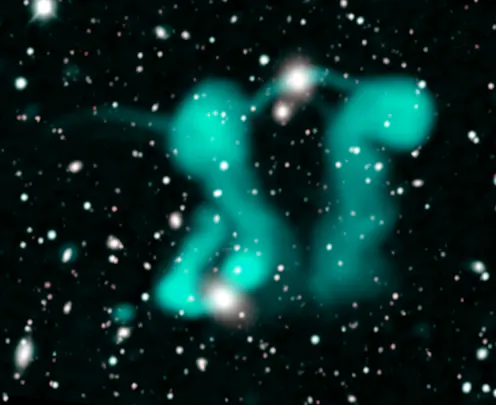
Over 1 million light-years end to end, the pressurised jet shoots away from a central black hole in a nearby galaxy.
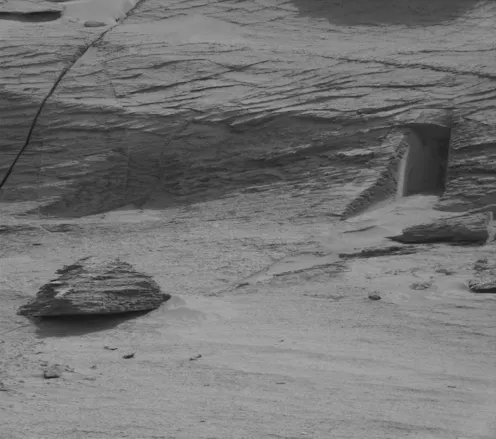
A photo of ‘doorway’ on Mars shows how ready our minds are to see significance and signs of life in the natural world.
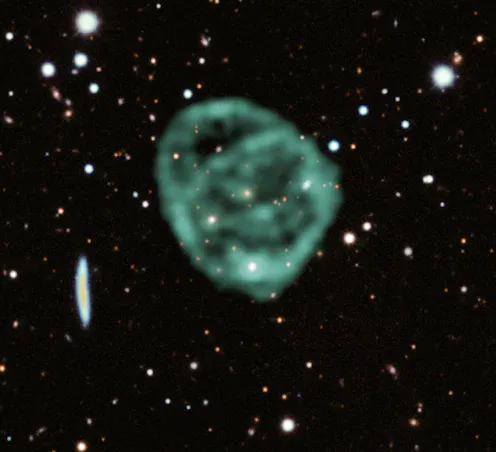
Next-generation radio telescopes unravel the mysteries of ghostly circles in the sky.
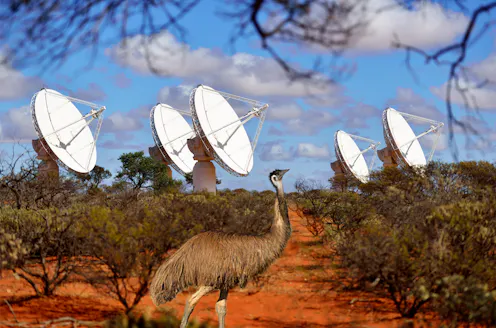
Australia’s ASKAP radio telescope probes the Universe more deeply than ever before, revealing unseen features of the cosmos.
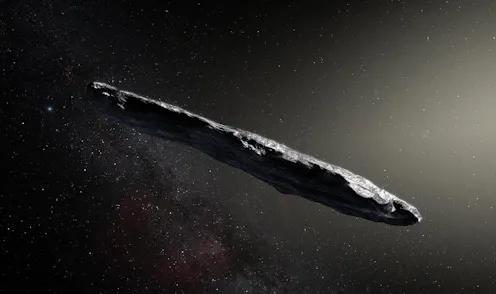
Can the Galileo Project find alien technology?
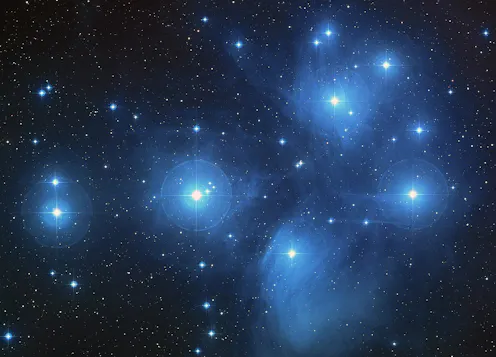
Cultures around the world call the Pleiades constellation ‘seven sisters’, even though we can only see six stars today. But things looked quite different 100,000 years ago
A collaboration between Australian and German scientists gives an unrivalled view of the structure of the Universe.
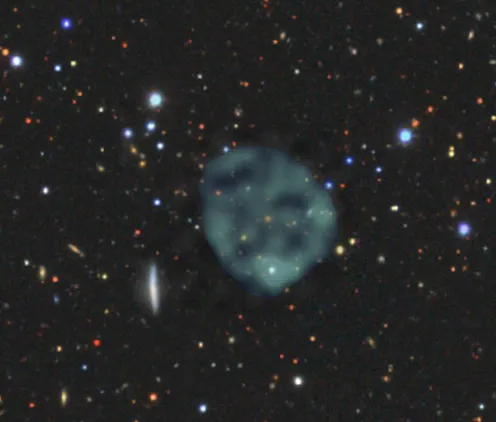
When astronomers started using the new ASKAP radio telescope, they discovered mysterious circular blobs of unknown size and distance in the sky.
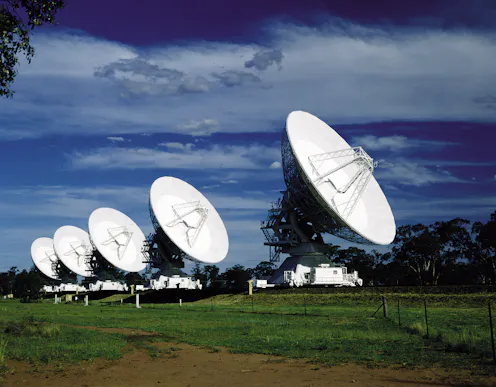
An upgrade for the Australia Telescope Compact Array will enable major new discoveries about the universe
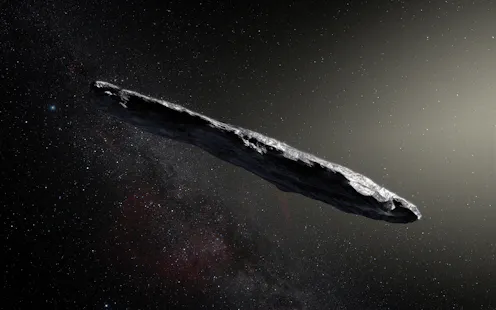
Scientists looking for signs of alien life from the mystery object passing through our Solar system say they’ve found nothing “so far”.
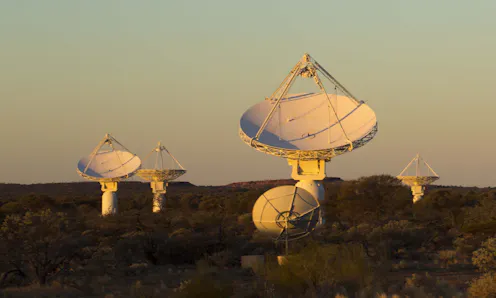
Technology is driving a revolution in the way radio astronomers study the universe, and it could lead to new discoveries.
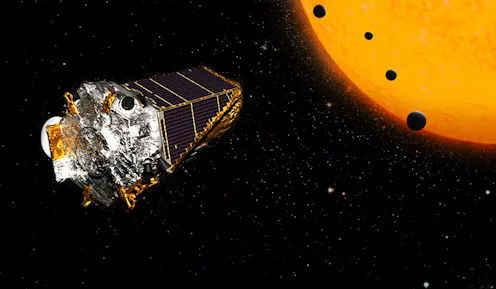
A Darwin mechanic’s success in the hunt for new exoplanets shows how amateur and professional scientists can work together on new research.
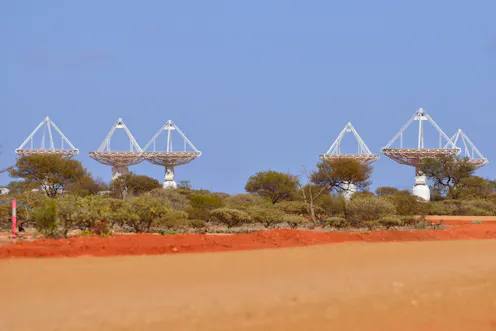
It’s almost impossible for any human to spot something unknown or unusual in the massive amount of data collected by our telescopes. So we’re teaching an intelligent machine to search the data for us.
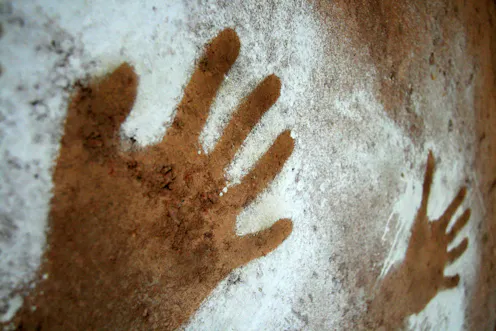
There is plenty of evidence to show Australia’s Indigenous people had ways of counting big numbers, yet the myth persists they couldn’t count more than a handful of things. Why?
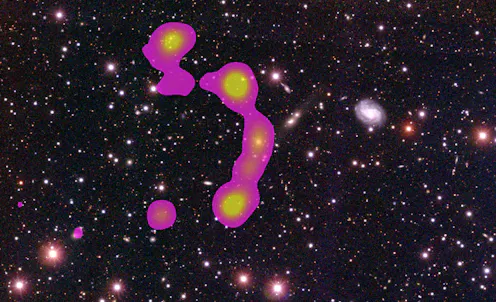
The find by citizen scientists of at least 40 galaxies in a cluster more than a billion light years away is the astronomical equivalent of finding a needle in a haystack.

Just one generation ago Australian schoolkids were taught that Aboriginal people couldn’t count beyond five, wandered the desert scavenging for food, had no civilisation, couldn’t navigate and peacefully…
Contact Ray for
- General
- Media request
- Speaking request
- Consulting / Advising
- Research collaboration
- Research supervision
- Location: Sydney, Australia
- Website
- X (formerly Twitter): @RayPNorris
- Article Feed
- ORCID
- Joined

