

Nearly 30 per cent of the world’s population lives in coastal areas. A changing climate and biodiversity loss represent an unprecedented threat to these ecosystems.
- Director & Professor, Fisheries Economics Research Unit, University of British Columbia
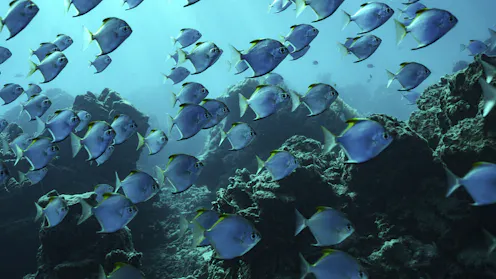
For decades, government subsidies have helped industrial fishing fleets to expand, often with little regard for sustainability.
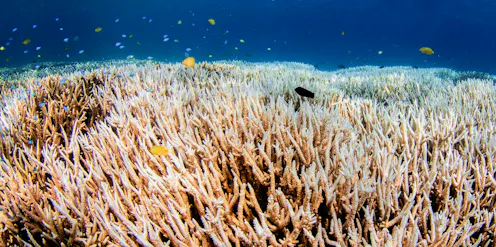
Estimates of the economic value of the Great Barrier Reef range from $21 billion to $56 billion, but its true value is almost certainly higher.
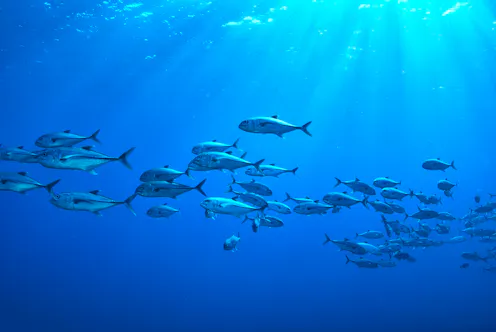
Recent research shows how reducing overfishing is both an ecological imperative and a critical means to addressing climate change.
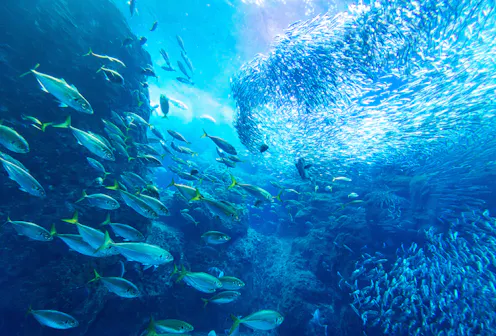
L’être humain n’a pas su prendre soin de l’océan – et de l’environnement en général – parce qu’il sous-estime les biens et services qu’il lui procure.
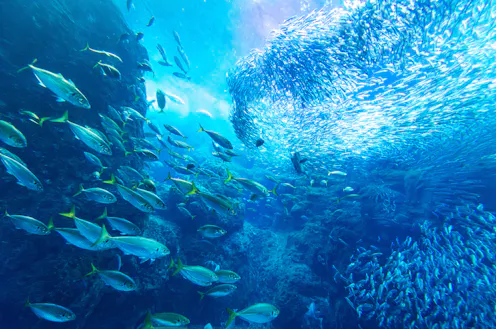
Humans have failed to take good care of the ocean — and the environment at large — because we undervalue its goods and services.
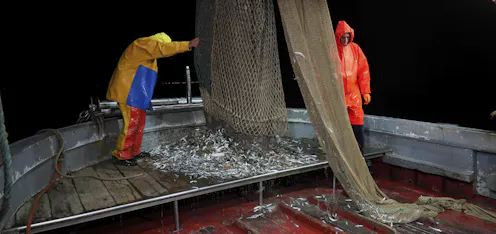
Everyone who cares about marine biodiversity, fish, fishers, coastal communities and fishing industry workers of today and tomorrow must push for the end of fisheries subsidies.

Governments around the world have vowed to halt the loss of global biodiversity by 2020, but without more investment, we’ll miss some of the targets.
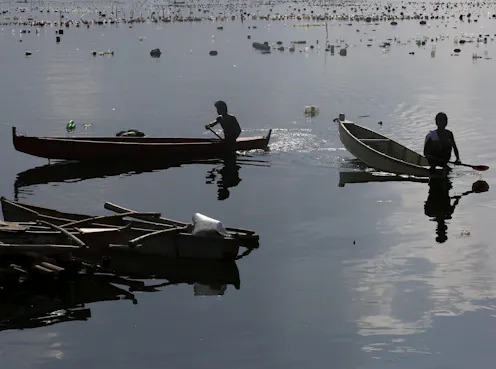
The South China Sea produces more than 10% of the world’s fish – but the catch is increasingly under threat.
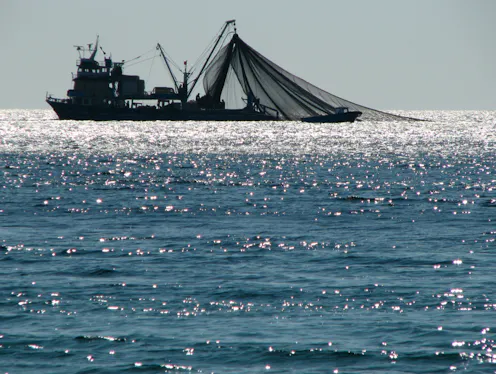
Fish numbers are rapidly dwindling globally, and fishery subsidies are one of the key drivers behind this decline.
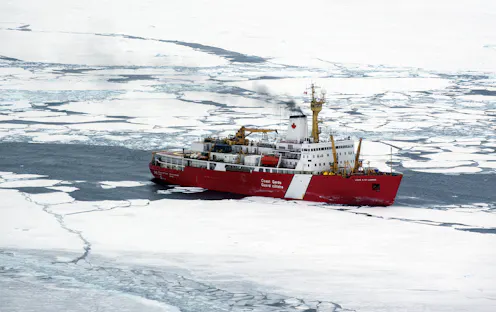
A melting Arctic means new areas will be open to commercial fishing but scientists – and bordering countries – say they need time to study the ecological and economic risks.
Contact Rashid for
- General
- Media request
- Speaking request
- Consulting / Advising
- Research collaboration
- Research supervision
- Location: Vancouver, British Columbia Canada
- Website
- Article Feed
- ORCID
- Joined
