
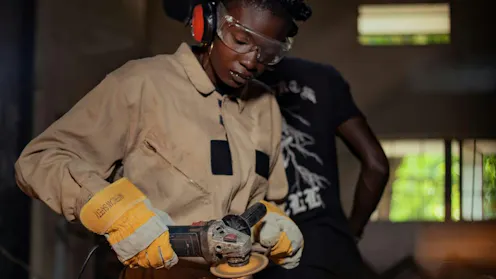
Les programmes en faveur de l'emploi des jeunes doivent s'articuler autour d'emplois concrets, d'institutions efficaces et des jeunes auxquels ils sont destinés.
- Professor, Sol Plaatje University
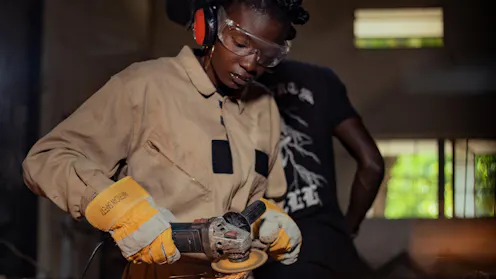
Youth employment programmes need to be built around real jobs, capable institutions and the young people they are meant to serve.
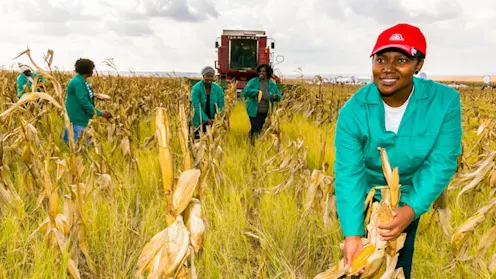
Investir dans l'agriculture, en particulier grâce à des financements extérieurs, offre des gains en termes d'augmentation des revenus et de réduction de la pauvreté.
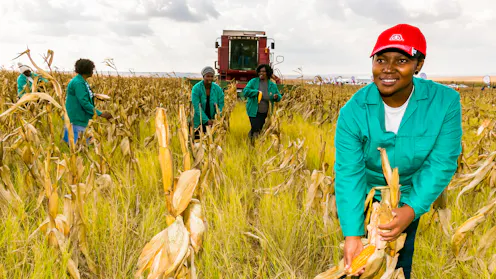
Investing more in agriculture, especially with external financing, offers the biggest gains in raising incomes and reducing poverty.
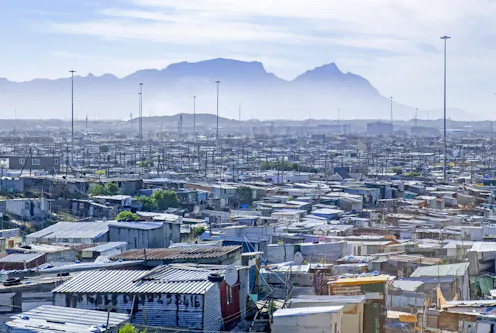
Economic modelling suggests that a basic income grant for all individuals aged between 18 and 59 could significantly reduce poverty and inequality in South Africa.
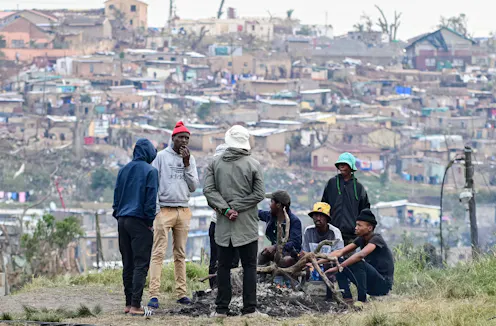
Increasing grant payments to extremely poor South Africans would alleviate poverty and help economic growth, a modelling exercise shows.

Good roads, a reliable supply of electricity and proper water management are necessary for economic growth and job creation.
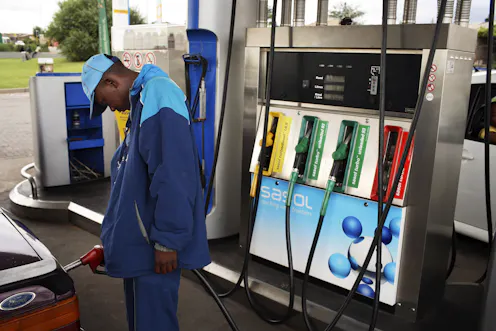
Subsidies to shield the general population from oil price increases do not automatically reduce poverty and inequality.
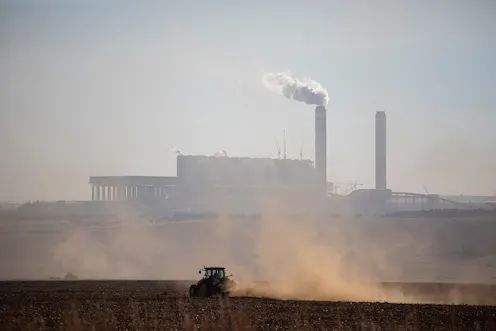
Investment in green technologies in sectors which cause significant environmental pollution can create a double dividend.
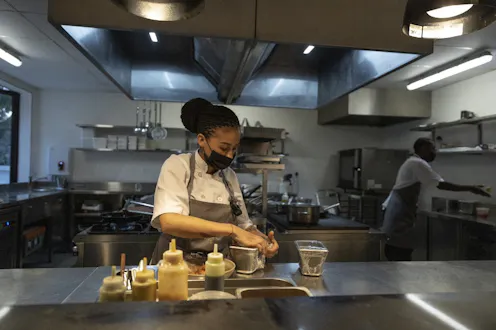
The pandemic has increased vulnerability and poverty for female-headed households more than for male-headed households.
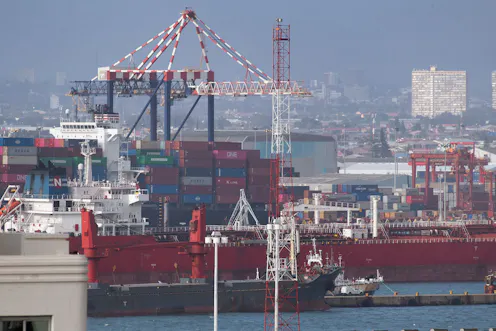
Corruption and fraud make a few rich households richer. But the already poor and low-skilled lose their jobs and become poorer.
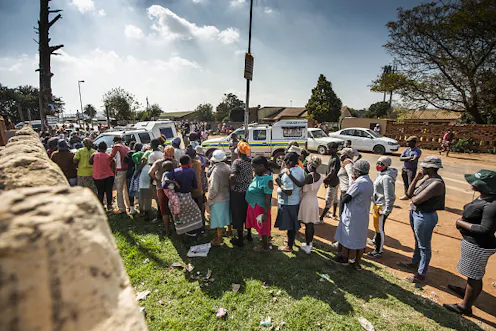
South Africa’s economic recovery plan must focus on at least three areas: protecting vulnerable populations, supporting the vulnerable sectors and external trade diversification.
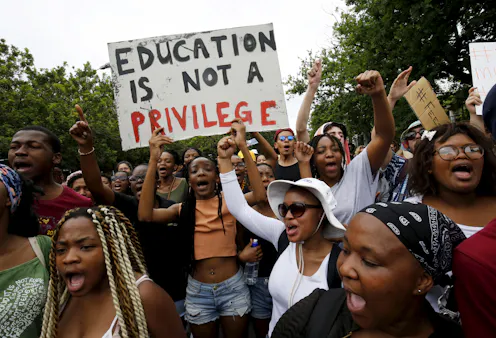
South Africa will need about R60 billion a year to rollout free university education. A tax on graduates seems to be a practical solution.
Contact Ramos for
- General
- Media request
- Speaking request
- Consulting / Advising
- Research collaboration
- Research supervision
- Article Feed
- ORCID
-
- Joined
