
It’s taken years for Australia to ban three types of forever chemicals. But Europe plans to ban thousands of these chemicals to avoid future issues.
- Associate Deputy Vice Chancellor in Research & Innovation, RMIT University
Double-glazing keeps homes at pleasant temperatures without much need for heating or cooling. But history and cost mean they’re rare in Australia.

President Donald Trump has ordered his government to stop using paper straws. A better approach is to avoid using single-use products.
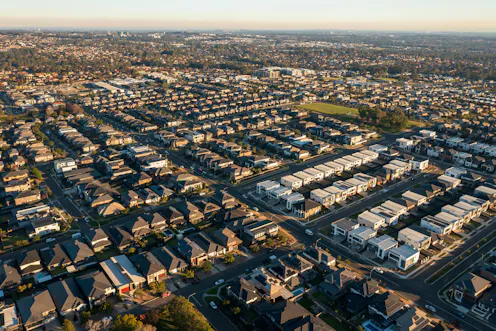
Before buying or renting your next home, take a closer look at how it will cope with the heat. Try this expert 12-point guide to avoiding ‘hot boxes’.
We examined how households in Victoria cope with, adapt to and endure summer heatwaves. Most took a short-term view. A more sophisticated, long-term approach to managing heatwaves is needed.
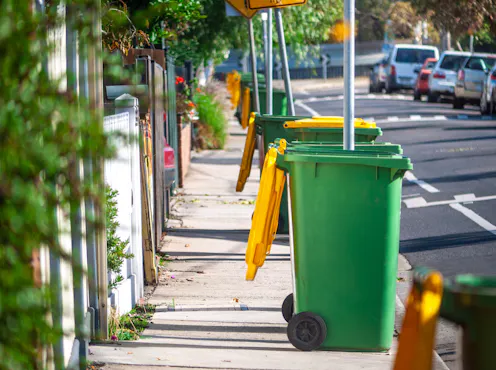
We all say we like recycling. But contamination rates are high. Victoria’s government hopes a new bin for glass and recycling soft plastic can help.

Millions of people are being urged to take part in Plastic Free July. Yet we know consumer choice is only one part of the picture. Eliminating plastic waste requires broader structural change.
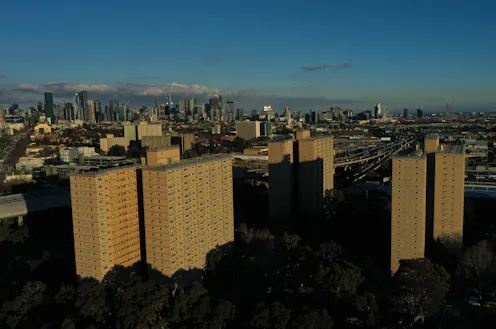
Our research shows decisions on the fate of public housing towers that are based on a proper process of considering all the evidence could go either way: demolish and rebuild, or retrofit.

A new report outlines a comprehensive strategy for Australia to reduce the carbon footprint of our homes while making them more comfortable and affordable.
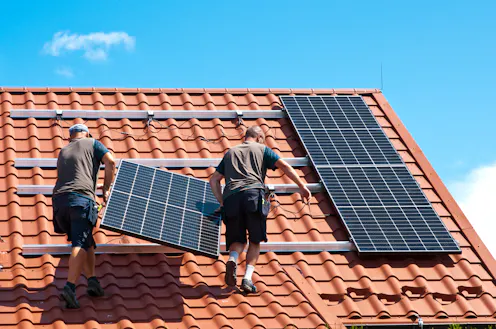
Most of our 10.8 million existing homes are in need of a retrofit to improve their performance and cut household energy use and emissions. The $1.6 billion for energy upgrades covers 170,000 homes.

Energy poverty puts people’s health and wellbeing at risk, but many vulnerable households go undetected. Trusted intermediaries, such as doctors and community workers, can help solve this problem.
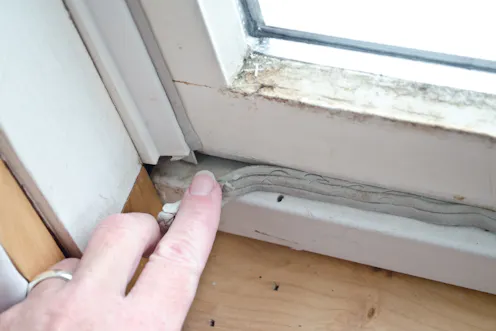
Improving the performance of nearly 11 million existing homes will make a much bigger difference to housing energy costs and emissions than an incoming 7-star energy standard for new homes.
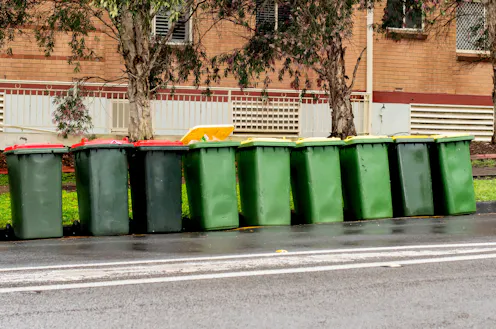
Apartments have lower waste recycling rates than houses, which means the growing numbers of apartment dwellers could add to Australia’s waste management crisis. But there are solutions to the problem.

A long-term housing stimulus package that focuses on retrofitting to cut energy demand would also help households repay the debts being accumulated during this crisis.
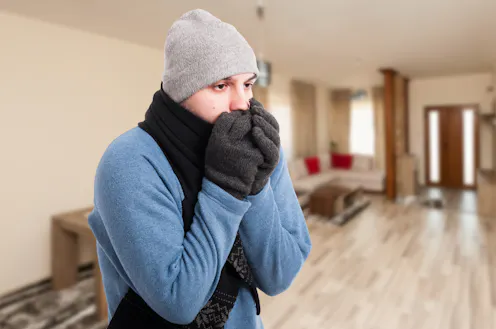
Energy justice is a social issue, and by leaving it up to vulnerable people to sort it out for themselves, we as a society risk making it even worse.
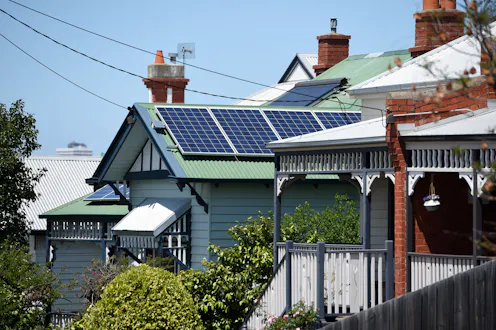
While new buildings may be the glamorous eco-home pinups, retrofitting existing homes is the main game when it comes to creating energy-efficient, comfortable housing stock for all Australians.

In cities dominated by globalised market forces, how can we achieve social equity and justice? For any sharing economy idea, we need to ask what will it do to fix the big problems confronting us all.
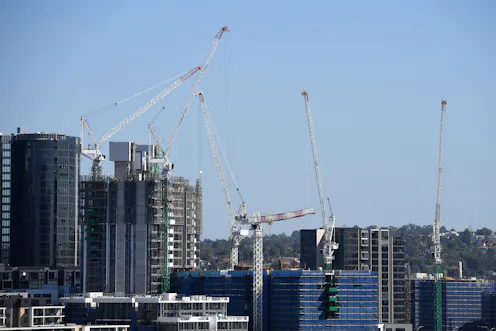
Planning for the future of our cities can no longer ignore growing social, economic and environmental issues that are all exacerbated by wealth and income inequalities.
Before you spend up on heating and cooling, here are a few simple retrofits to try first.
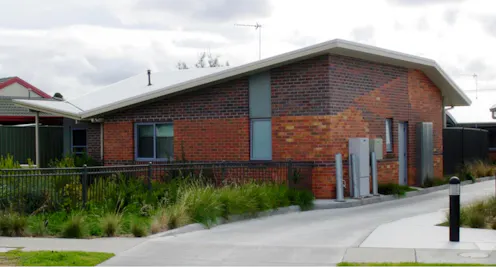
Emerging research challenges the idea that sustainable housing is unaffordable. It shows sustainability and good design can be affordable when analyses include social, health and wellbeing benefits.
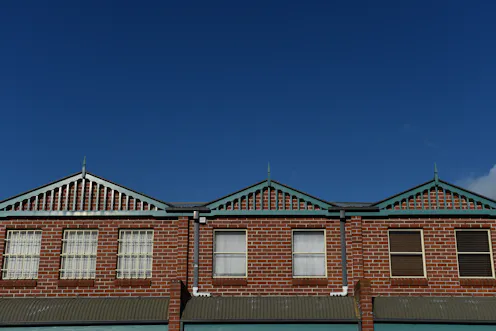
A decent national housing policy is not just about the million or so Australians who are in housing need, marginal housing or homeless. In reality, all the housing sectors are connected.

Standards for apartments are desperately needed in Melbourne where planning laws allow things banned in cities including New York, Hong Kong, Tokyo and Vancouver.
Contact Ralph for
- General
- Speaking request
- Consulting / Advising
- Research collaboration
- Research supervision
