
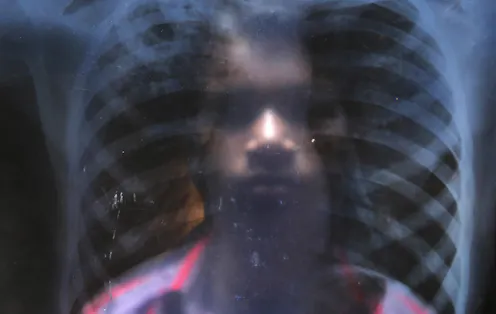
India’s recent Tuberculosis survey showed worse results than expected.
- Chairperson, Centre of Social Medicine and Community Health, Jawaharlal Nehru University
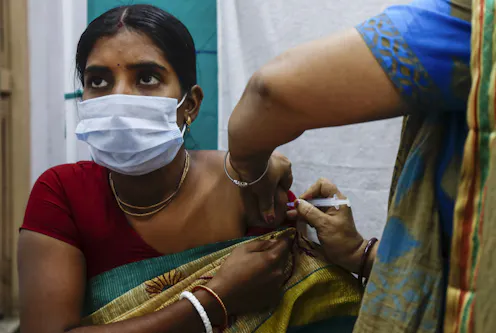
The festive season in India did not lead to any surges and the prediction of a third wave during October–November did not turn out to be right.
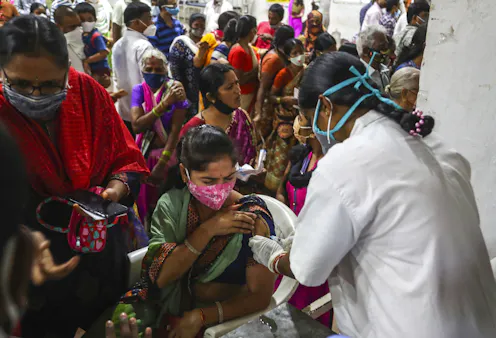
A public health scholar based in New Delhi explains how India has emerged from the massive spike in COVID-19 cases, even as the country braces for a new wave.
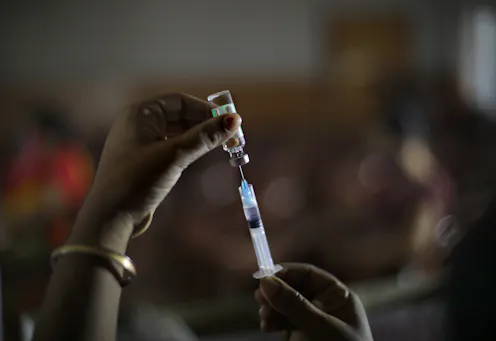
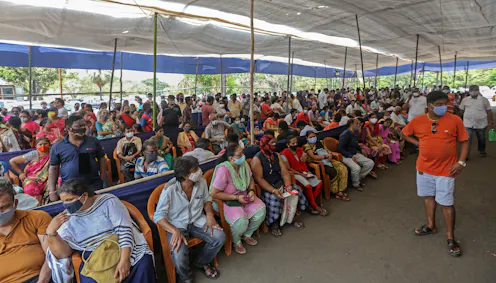
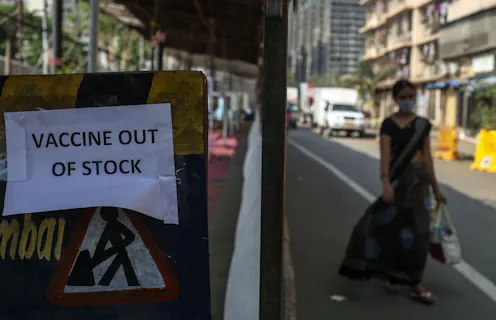
India’s poor and vulnerable should be vaccinated first, but their needs have been ignored.
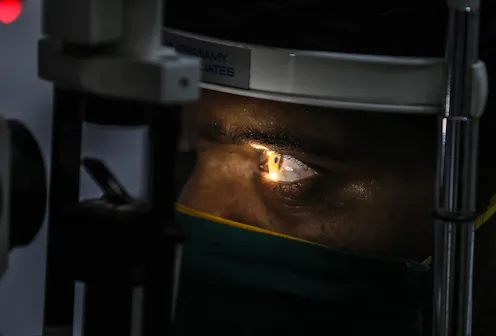
COVID treatment guidelines in India specify higher doses of steroids than other countries, which could be to blame for the rise in mucormycosis or “black fungus”.
This is a transcript of episode 15 of The Conversation Weekly podcast, which includes a story on the discovery of microscopic fungi at the world’s largest seed bank.
Plus, the hidden world of microscopic fungi found inside the world’s biggest seed bank. Listen to episode 15 of The Conversation Weekly podcast.
Después de una enorme reducción en el número de casos de covid-19 y el optimismo inicial respecto a la vacunación, India está sufriendo una enorme nueva ola de infecciones.
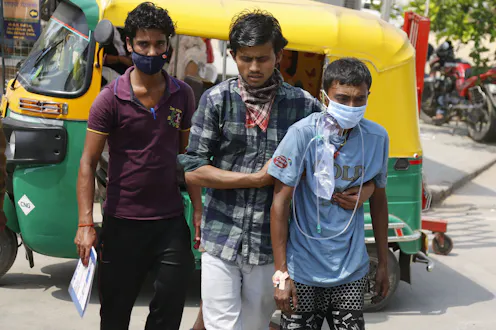
The emergence of an Indian “double mutant” strain of the coronavirus may explain the country’s tragically soaring infection rates. Genomic testing and monitoring will be crucial in the weeks ahead.
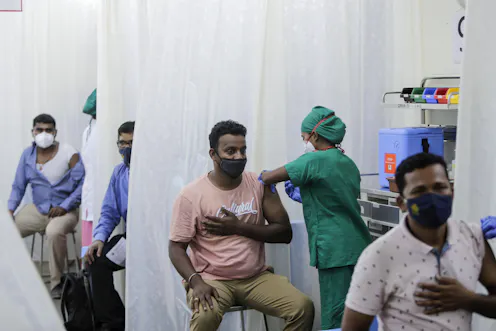
Après une période d’optimisme liée à une réduction massive du nombre de cas de Covid-19 en début d’année, l’Inde connait une deuxième vague d’infections qui ressemble à une lame de fond.
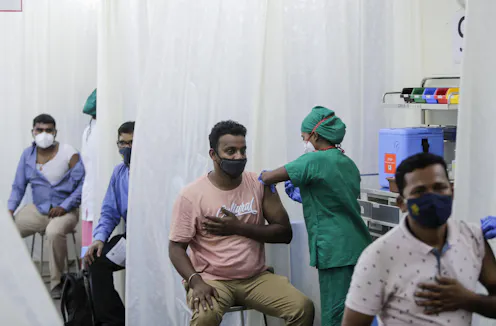
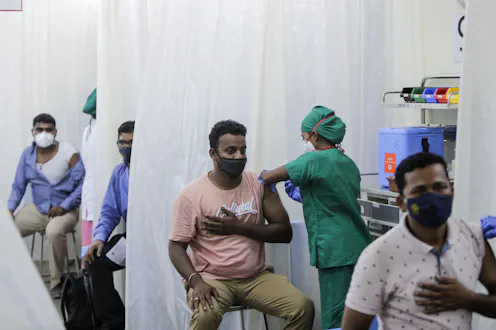
After a massive reduction in COVID case numbers and optimism about the vaccine rollout, India has seen a huge second wave of infections.
Contact Rajib for
- General
- Media request
- Speaking request
- Consulting / Advising
- Research collaboration
- Research supervision
- Location: New Delhi, India
- Website
- Article Feed
- Joined
