

The strategic goal for most countries is energy systems that are affordable and cannot be blocked or held hostage.
- Professor, Geography Department and School of Public Policy & Global Affairs, University of British Columbia
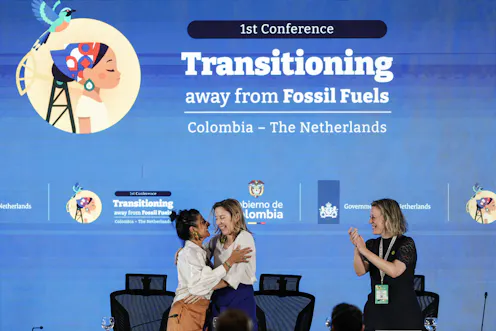
Translating the Transitioning Away from Fossil Fuels conference into a concrete action will demand structural reforms, credible policy tools and sustained political will.

The High Seas Treaty requires a secretariat to co-ordinate between parties, service meetings, manage information and keep the machinery running.
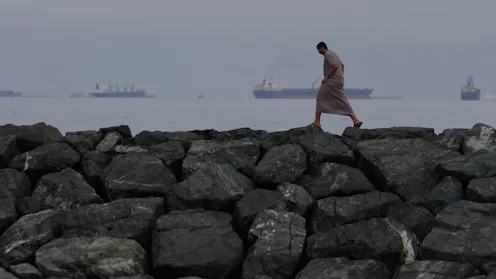
Rising tensions between the United States, Israel and Iran have sent oil prices surging. While households and governments face higher costs, parts of the fossil fuel industry stand to gain billions.

Canada and Venezuela compete in the same heavy-oil regional and global markets, so shifts in supply from Canada to Venezuela would widely reverberate across the Canadian economy.

Will Brazil’s proposed scheme make a major difference for the climate, and how will it impact communities who live in forests?
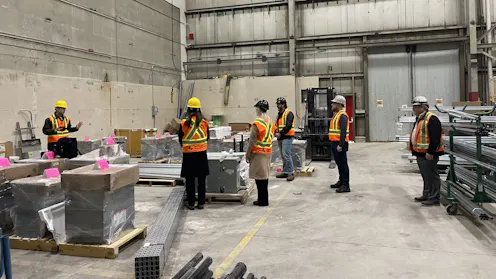
Canadian officials have pledged more than $43 billion in subsidies to create new low-carbon supply chains. A new study identifies some problems.
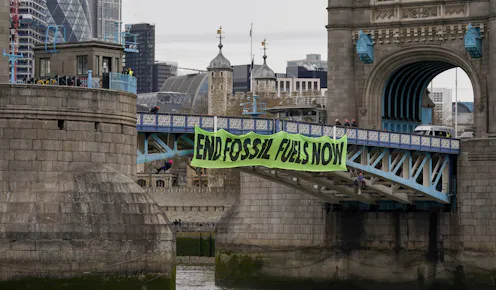
A managed fossil fuel phasing-out offers a chance for producers – including governments, corporations and unions – to negotiate the terms of a ‘just transition’ to renewable energy.

As climate change and other conflicts put humans and other species on the move — and sometimes in conflict — we need to rethink the way we approach conservation.

Nepal’s past dealing with multiple disasters, including the aftermath of its civil war and the massive earthquake of 2015 may have helped the country prepare for the current COVID-19 crisis.
Contact Philippe for
- General
- Media request
- Speaking request
- Consulting / Advising
- Research collaboration
- Research supervision
- Location: Vancouver, Canada
- Website
- X (formerly Twitter): @plebillon
- Article Feed
- ORCID
- Joined
