
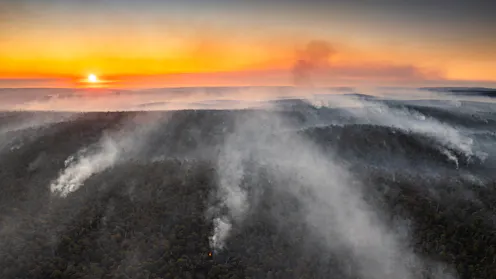
After devastating fires in 1939, authorities began burning forests to reduce fuel load. But we now know this creates conditions for even worse fires.
- Research Associate, University of New South Wales, and Adjunct Associate Professor, Curtin University
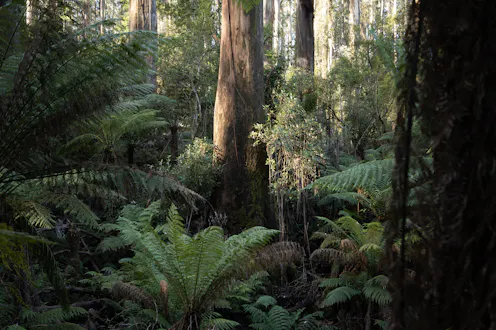
All the evidence – colonial accounts and records, First Peoples’ testimony and scientific data – points to the existence of widespread tall, dense forests 250 years ago.
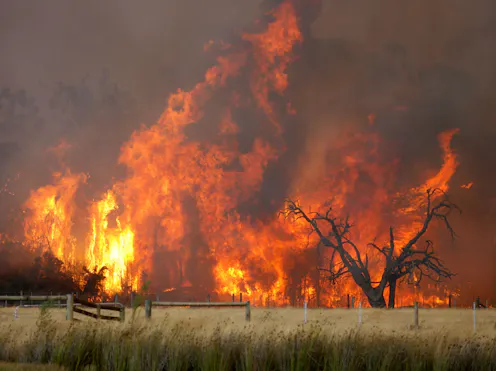
Fire frequency is increasing in all ecosystems studied. But in some places, fires were occurring so often it put entire ecosystems at risk of collapse.
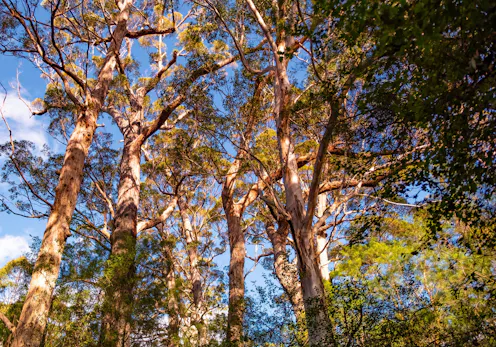
Red tingle forests in south-western Australia have the lowest fire risk when they’ve not been subjected to prescribed burning. New research explains why
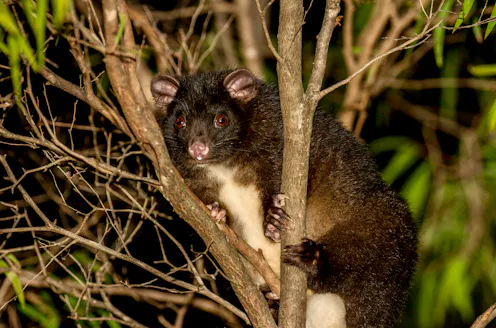
A new paper explores how a carefully controlled fuel reduction burn killed 17 critically endangered western ringtail possums.
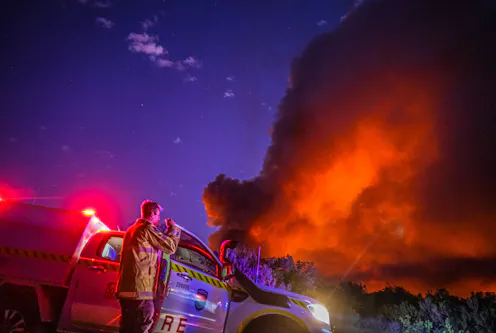
Australia’s forests have controlled their own own flammability since Gondwana. We must respect this natural process.
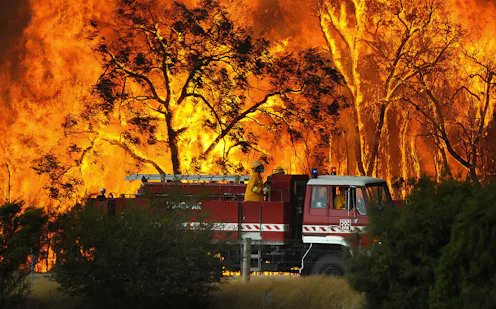
They overlook a vast body of evidence that crown fire – the most extreme type of fire behaviour in which tree canopies burn - is more likely in logged native forests.
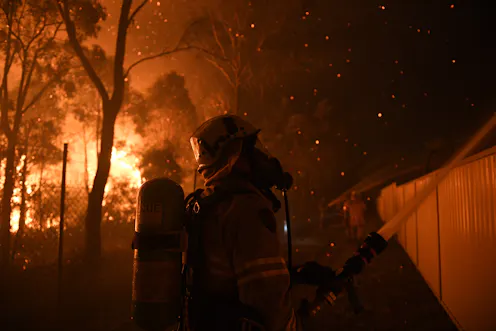
New research shows that fire follows fire in the Australian Alps, and old-growth forests are less flammable.
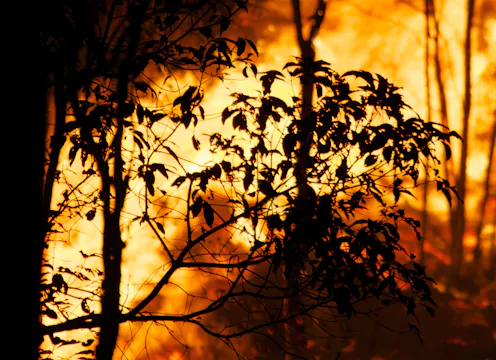
We can manage the risks from bushfires far more effectively if we look at the ways different plant species control the the way the fires burn.
Contact Philip for
- General
- Media request
- Speaking request
- Consulting / Advising
- Research collaboration
- Research supervision
- Location: Wollongong, Australia
- X (formerly Twitter): @Phil_Zylstra
- Article Feed
- ORCID
- Joined
