

Content moderation by automated systems could be a form of prior restraint.
- Senior Lecturer in Applied Linguistics, The Open University

The letter Z has become a controversial pro-Russian symbol during the war in Ukraine.
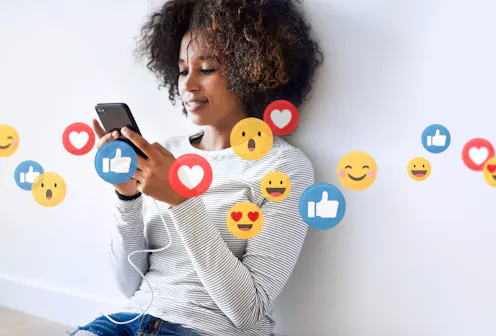
The story of the pandemic, in emojis.

How conspiracy theories, such as the Crowdstrike theory that Ukraine was behind the attack of the Democratic Party’s server, draw from storytelling techniques.

A Rose by any other name might not choose to become a gardener, and other odd quirks in how names affect us.
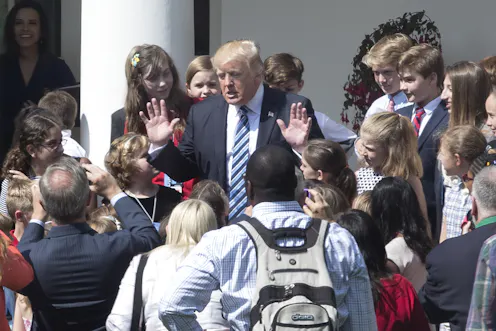
In a language as idiosyncratic as English, linguistic pedantry is futile and misguided.

Our research shows we keep going back to social media even when it infuriates us.
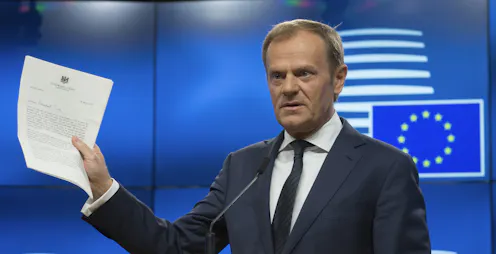
What the British prime minister said in her letter to the EU – and what she meant.

On the centenary of Anthony Burgess’s birth – A Clockwork Orange had a profound influence on the cultural and political landscape.

Tolkien et Zamenhof ont créé les deux langues imaginaires les plus populaires au monde. Mais leurs objectifs étaient très différents.

Language is not fixed and meaning is what people make it.

Tolkien and Zamenhof are two of imaginary languages’ most successful proponents – yet their aims were very different.
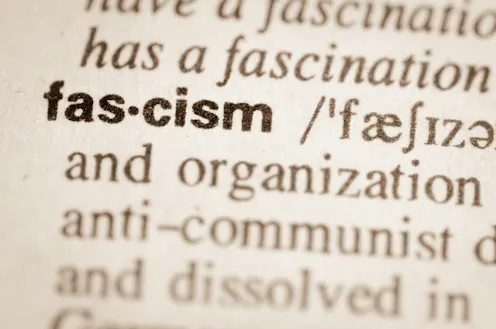
All over the world, people are trying to boil down their experiences of 2016 into a single word. The results speak for themselves.

The centenary of Natsume Soseki’s death this year is being marked by numerous events, not least his resurrection in robotic form.

Research shows the lack of diverse political views on your Facebook feed is more down to self-censorship than any algorithm.
Contact Philip for
- General
- Media request
- Consulting / Advising
- Research collaboration
- Research supervision
