

Social Services Minister Scott Morrison has said that a job is a “prescription” for a young person with mental health issues. What does the research on employment and mental health show?
- Scientia Professor & Head of the School of Psychiatry, UNSW
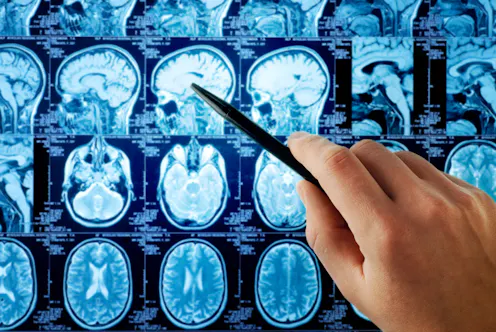
Brain damage is caused by persistent depression rather than being a predisposing factor for it, researchers have finally concluded after decades of unconfirmed hypothesising.

A proposal to re-direct a billion dollars of funding from acute hospital mental health services to the community risks causing a major destabilisation of the public mental health system.

Schizophrenia, bipolar disorder and depression share common genetic variations, a new study has found, with researchers saying they can now calculate how much of the risk for developing such disorders…

Testosterone may trigger a brain chemical process linked to schizophrenia but the same sex hormone can also improve cognitive thinking skills in men with the disorder, two new studies show. Scientists…

The British Medical Journal (BMJ) has just published two opposing views on the vexed question of whether antidepressants are being over-prescribed. The issues raised by debate are by no means unique to…

The brains of people with a family history of bipolar disorder but no symptoms react differently when shown emotive faces to those with no genetic history, a new study has found. The researchers who conducted…
Contact Philip for
- General
- Media request
- Speaking request
- Consulting / Advising
- Research collaboration
- Research supervision
- Website
- Article Feed
- ORCID
- Joined
