

The budget includes a step towards modernising Medicare, through a new annual payment for each person with diabetes who signs up with a specific GP.
- Professor of Health Economics, The University of Melbourne

Poorer children in Australia are less likely to receive their share of Medicare funding, particularly in the first years of life.

Deaths of chess players led to alarm the game could cause fatal stress. Some researchers have tested that theory.

While we must put in place effective measures to protect against the malicious use of personal data, not using the information collected about Australians comes at a cost.

Information on hospital deaths hasn’t always been so hard to find. Back in the 1860s Melbourne’s one hospital published regular stats on the number of patients dying.

Christmas holidays can be a risky time for both your bank balance and your state of mind, but there is also some evidence indicating you are at higher risk of a heart attack or stroke.

If past wars are a guide, the toll of disability will continue to rise for many decades to come.

Despite numerous leaks about impending changes to medicines policy, the budget showed savings of just $252.2 million over five years from adjusting the price of a small number of PBS-listed drugs.

Why not let scientists vote for who they think should get grant funding for their research?

Despite calls for reform to make the pharmacy sector more competitive, governments are loath to take on the quietly-powerful Pharmacy Guild of Australia, the professional body for pharmacists.

Apart from proposing a co-payment for visiting doctors, the last federal budget also contained a proposal to increase the level of co-payments for medications. The government seems to have given little…

Restrictions on retail trading hours, taxis, pharmacies and parallel imports should be lifted according to a far-reaching draft report by the Competition Policy Review. Professor Ian Harper’s new report…
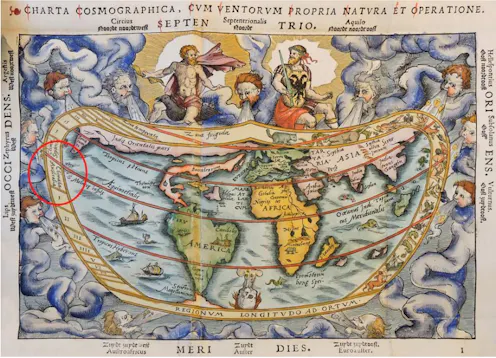
Matthew Flinders, who died just over 200 years ago, is widely credited with giving this country its name: Australia. Flinders preferred Australia to the more commonly used Terra Australis as he thought…

One of the few real surprises in the budget was the creation of medical research future fund, to be partly funded by the introduction of a $7 GP co-payment. This injection of money provides an opportunity…

The Abbott government has announced a A$20 billion medical research “future fund”, to help discover what Treasurer Joe Hockey calls the “cures of the future”, paid for with money generated as a result…

When it comes to pharmaceuticals expenditure, the National Commission of Audit’s proposals rate highly on any policy change scale. Its two main recommendations are designed to reduce the overall cost to…
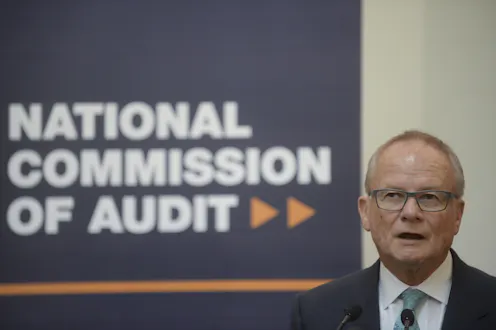
The National Commission of Audit has made 86 recommendations with a focus on the federal government’s 15 biggest and fastest-growing areas of spending. Health is near the top of the list, with the Commission…

Last week, Treasurer Joe Hockey made a “case for change” in the way government spends money. His focus was largely on macro policy settings, such as pension entitlements, including access to schemes such…

The Consumers Health Forum has just launched a website containing information about the cost of generic drugs in Australia compared to other countries. Each day, Australians pay A$3 million more for these…

A government-appointed committee makes a recommendation that would save taxpayers $260 million within a year, but it’s ignored. And people at risk of heart attacks lose out. Let me explain via a ripping…

In the eighth part of our series Health Rationing, Philip Clarke and Nicholas Graves suggest ways to make the health-care system more efficient and affordable. Who would want be the health minister? If…

Universities drive a knowledge economy, generate new ideas and teach people how to think critically. Anything other than strong investment in them will likely harm Australia. But as Australian politicians…
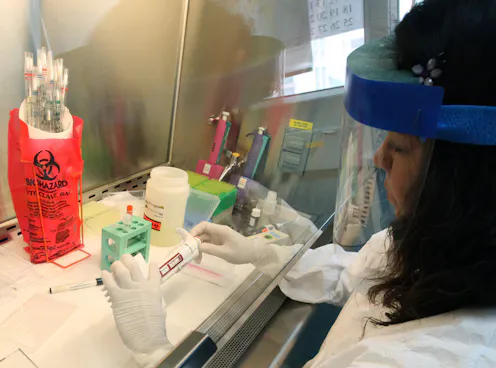
Chance is something researchers feel could be important when their applications for scientific research funding are assessed and discussed in peer review. Now this hunch has been supported by an analysis…
Contact Philip for
- General
- Media request
- Speaking request
- Consulting / Advising
- Research collaboration
- Research supervision
- Location: Melbourne, Australia
- Website
- X (formerly Twitter): @pmc868
- Article Feed
- ORCID
- Joined
