

For most people, long COVID means not getting better after a COVID infection. So how has long COVID changed throughout the pandemic, and how likely are you to get it with this infection?
- Associate Professor, Child and Adolescent Health, University of Sydney

People who are vaccinated are less likely to get long COVID, with lower rates of symptoms reported among those who have had their booster.

Doctors don’t know why yet, but COVID infection kicks off an extreme inflammatory response in some children.
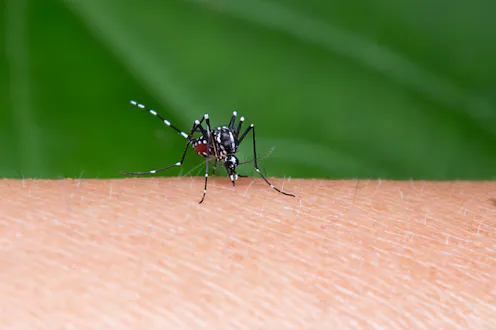
Around 99% of people infected with JEV will have no or very mild symptoms. But in less than 1% of cases, it can become serious.
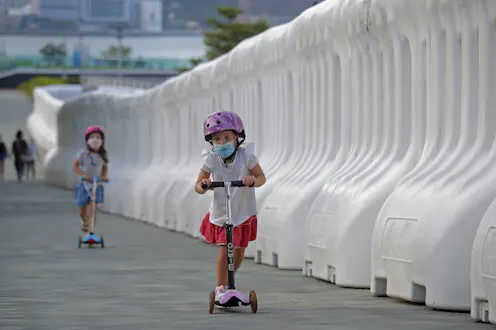
Evidence suggests kids under 12 aren’t major drivers of COVID spread. Avoiding them isn’t necessary.
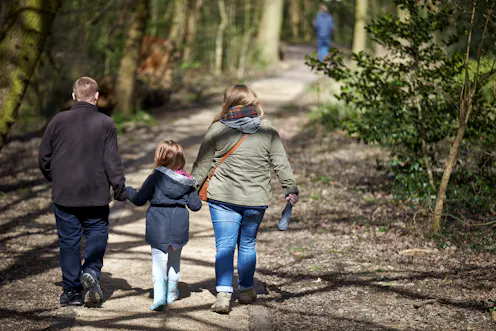
Obesity and excess weight increase the risk of COVID progressing to severe disease, including in children. Vaccination is key to reducing this risk.

There are practical things you can do to make your child more comfortable if they’re ill.
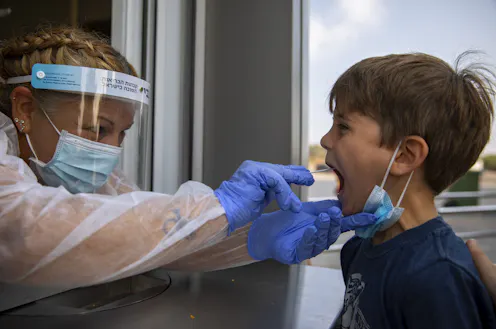
Children can get long COVID, but it seems to be less common than in adults. And they tend to recover quicker.

The rise of the Delta variant does seem to be associated with more COVID transmission in schools than what we’ve seen previously. But kids are much less likely to become severely unwell.

It’s much more likely your child’s symptoms are caused by a common respiratory virus than COVID-19. But it’s important to follow testing guidelines and keep them home if they’re unwell.
Contact Philip for
- General
- Media request
- Speaking request
- Consulting / Advising
- Research collaboration
- Research supervision
- Location: Sydney, Australia
- Website
- X (formerly Twitter): @drphil2014
- Article Feed
- ORCID
- Joined
