

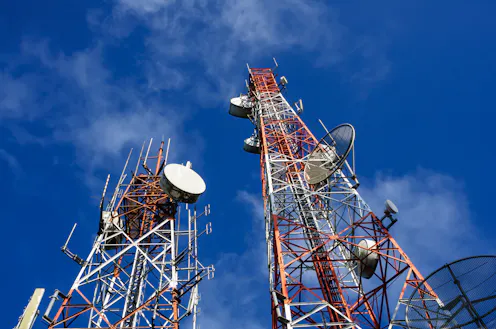
5G is similar to existing mobile networks, but with key differences in hardware and software. And we still need to work out who will build this infrastructure in Australia.
- Associate Professor in Telecommunications Engineering, Swinburne University of Technology

SIM cards link accounts to handsets. They keep communications private. They store messages. Although small and simple, they are a big part of modern mobile phone systems.
Consumers who live in Australian cities will most likely benefit from the entry of a fourth player in the mobile network scene.

We asked our experts to appraise the political and policy performances of the federal cabinet and shadow cabinet.

The next generation of mobile technology, 5G, is not all hype. History shows there have been big developments between past mobile generations.

Imagine a world that’s even more connected technologically than ours today. It’s coming soon and the Australian Communications and Media Authority wants to know if we’re ready for it.

The movie got some predictions right on what Doc and Marty would find when the arrive in the “future” today. But what could they find if they took another 30 year leap into the future?
ISPs were supposed to start collecting our metadata today, but most are not ready due to the complexities of the legislation. Perhaps it’s not too early for a review.

Avoiding the metadata retention laws and sending messages entirely privately is harder than it might seem.

There are still unanswered questions about the data retention bill, but it’s now too late to get answers before it is passed into law.
What the experts think of the Parliamentary Joint Committee on Intelligence and Security’s report on the proposed metadata retention laws.

The metadata retention debate is heating up with Prime Minister Tony Abbott telling us the cost of not going ahead with compulsory retention of metadata will be incalculable and will represent a form of…

One of the many things that is troubling about the current Australian government’s metadata retention proposals is how rooted in the past they are, which could make them obsolete before they even come…
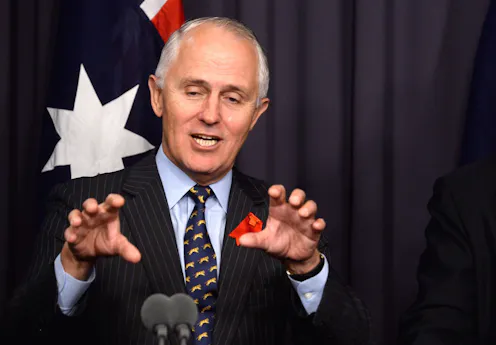
Communications Minister Malcolm Turnbull has finally presented proposed legislation to the Australian Parliament regarding the Abbott Government’s plans for the retention of metadata. The proposed legislation…

With the leaking of a discussion paper on telecommunications data retention, we are at last starting to get some clarity as to just what metadata the Abbott government is likely to ask telecommunications…
Metadata – as the name suggests – is data about data. While most of it may seem innocuous, it can be highly valuable to police, investigators and others. With the proliferation of smartphones, the amount…
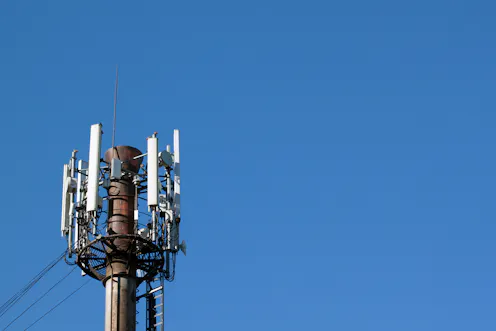
Metadata is in the news again with revelations that police in Australia have been getting access to data collected from mobile base stations (cell towers). In the wiretapping world there is a distinction…

One of the problems with using passwords to prove identity is that passwords that are easy to remember are also easy for an attacker to guess, and vice versa. Nevertheless, passwords are cheap to implement…

Mobile coverage of two of the major telecommunications companies is in the news again after Telstra took Optus to court over an advertisement that was found to be misleading. The complaint against Optus…
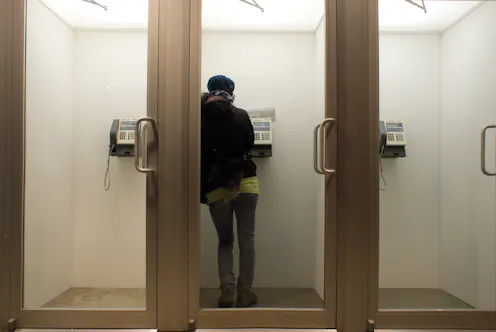
It was bad enough when it was revealed the US National Security Agency (NSA) wanted to hack information on smartphones but now reports this week it wants to record the phone calls of an entire country…

Metadata related to lawful interception has been in the news a bit lately. You may have seen last week the Australian Federal Police (AFP) called for more access to electronic metadata as a Senate committee…

The US National Security Agency (NSA) leaks just keep coming. Only a few days after details of its software anti-cryptography hacks were exposed by The Guardian, New York Times and ProPublica, German news…

“At the current rate of roll-out, the National Broadband Network (NBN) won’t cover the whole country for 20 years.” – Opposition Leader Tony Abbott, National Press Club, 11 August. The above claim on the…

Hot on the heels of data analyst whistleblower Edward Snowden’s revelations about the existence of the PRISM electronic surveillance program operated by the United States’ National Security Agency since…
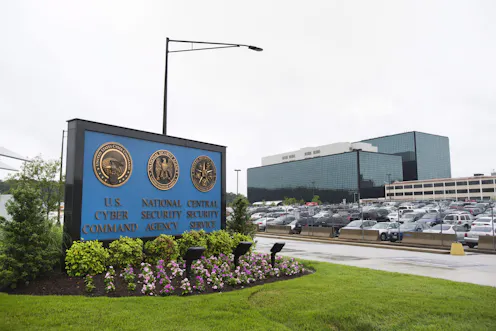
If reports are to be believed, the US National Security Agency (NSA) has had “direct access” to systems run by Google, Facebook, Yahoo and Apple. While all the companies named have used similar words to…
Contact Philip for
- General
- Media request
- Speaking request
- Consulting / Advising
- Research collaboration
- Research supervision
- Location: Melbourne, Australia
- Website
- Article Feed
- ORCID
- Joined
