
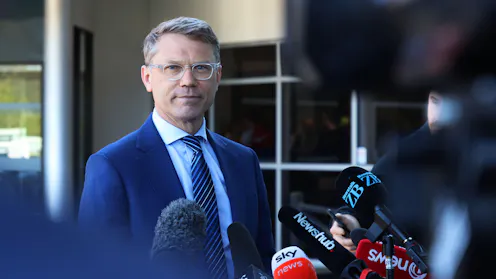
Scrapping the Broadcasting Standards Authority raises big questions about industry self-regulation and media accountability in the digital age.
- Associate Professor in Media and Communication, Te Herenga Waka — Victoria University of Wellington

At the heart of the dispute between the BSA and The Platform is an outdated media law that hasn’t adapted to the online streaming era.

Unlike their commercial rivals, public broadcasters have to serve a broad audience. In today’s fragmented mediascape, RNZ may be doing better than its critics claim.
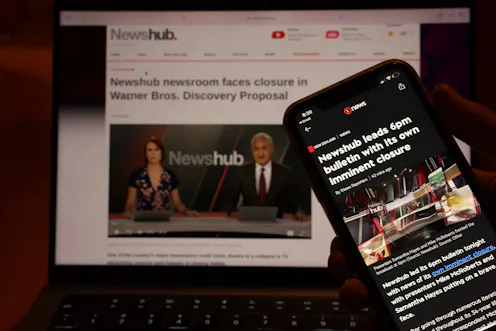
Calls for the Fair News Digital Bargaining Bill to be fast-tracked are misguided. A better solution would be a straight levy on digital advertising to fund public interest news production.

The Public Interest Journalism Fund became a lightning rod for disinformation well before Winston Peters likened it to ‘bribery’. Policy making has already been compromised as a result.
The death of the government’s public media project is a significant policy failure. But all might not be lost – at no real extra cost.

A mandatory news media bargaining code will force the digital giants to compensate NZ news media for content they host and share. But will it close off better options for supporting local journalism?
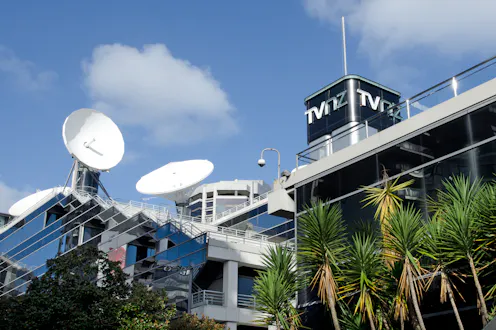
Select committee submissions on the Aotearoa New Zealand Public Media Bill favour its goals, but major structural, governance and cultural challenges remain unresolved.

Despite years of consultation and planning, the government’s announcement of a new ‘public media entity’ raises more questions than it answers.
Contact Peter for
- General
- Media request
- Speaking request
- Consulting / Advising
- Research collaboration
- Research supervision
- Location: Wellington, New Zealand
- Article Feed
- Joined
