

Ministerial control replaces NHS England as government seeks to cut duplication.
- Reader in Health Economics, Centre for Health Economics, University of York
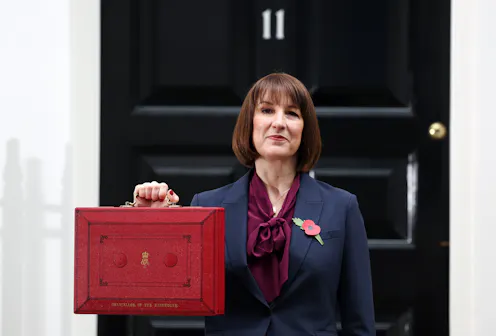
The figure may sound impressive, but it’s actually slower than the usual increase.

The NHS is a hot button topic in the UK 2024 general election. However, the party manifestos are light on detail.
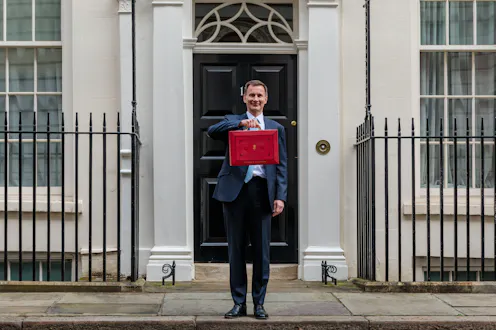
What could Jeremy Hunt do for voters ahead of a general election?

This have rarely looked bleaker for the NHS, but there is a light at the end of the tunnel.

COVID is exacerbating, but isn’t the root cause of, the NHS’s current crisis.

The public has been asked to cut back on socialising ahead of Christmas – but does this request go far enough?
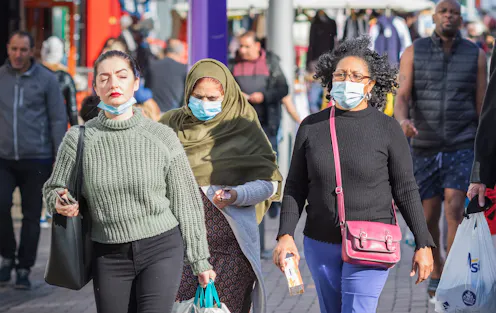
Cases are high in people over 60, who are far more likely to develop severe COVID and need hospital treatment.
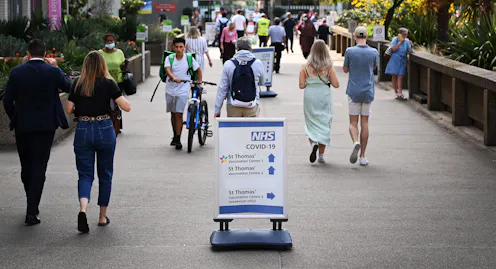
Hospitalisations aren’t rising in the steep manner that prompted previous lockdowns despite the high current caseload.

COVID-19 cases and hospitalisations have risen over the past month, but more time to vaccinate people could stem the tide.
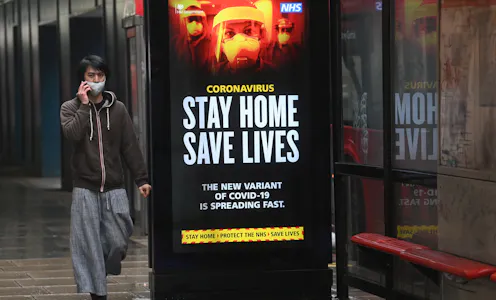
The UK government has announced a four-stage plan for ending COVID-19 restrictions.

COVID-19 vaccines could substantially reduce hospital admissions, but will be slower at freeing up space in intensive care.

Will England be going into lockdown 3 in February?

A report by Australia’s leading universities envisages the next stage of Australia’s coronavirus response: either eliminate COVID-19 and then reopen for business relatively quickly, or proceed more gradually.
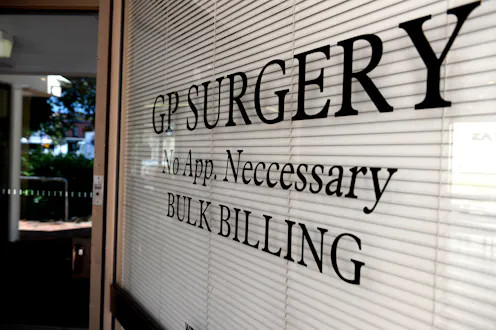
Yes, 86% of GP visits were bulk-billed in 2017-18, up from 82% when Labor was in power. But they also rose under Labor, while the percentage for “patients” seems to be lower than the percentage for “visits”.

The budget includes a step towards modernising Medicare, through a new annual payment for each person with diabetes who signs up with a specific GP.

A raft of changes to private health insurance in Australia will come into effect on April 1. Here’s what you need to know.

Australia is the only country in the OECD that allows specialists complete freedom to set their own fees. This puts patients at risk – but the government can help protect them.

Making older Australians the cornerstone of budget measures is a calculated political tactic.
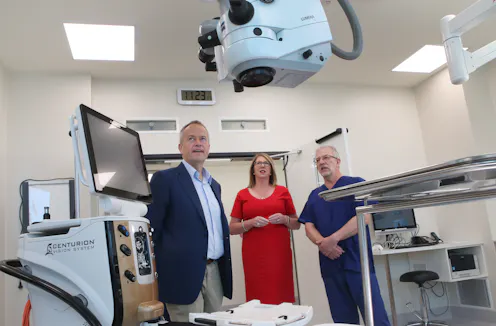
We are paying more for our health insurance because we are using it more. No crude, short-term measures to restrict premium growth will deal with this fact.

The government’s latest changes to private health insurance won’t affect the cost of premiums.

There may be some benefits to public hospitals treating more private patients.
Information on hospital deaths hasn’t always been so hard to find. Back in the 1860s Melbourne’s one hospital published regular stats on the number of patients dying.
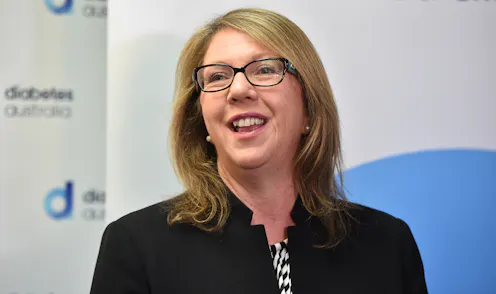
Shadow minister for health and medicare Catherine King said under this government, average out-of-pocket costs for GP visits are up by almost 20%. Is that true?

For real reform to Medicare’s fee-for-service payments model, we need to look for more innovative solutions to how we pay for health care. These can be found in an unlikely place: the United States.
Contact Peter for
- General
- Media request
- Speaking request
- Consulting / Advising
- Research collaboration
- Research supervision
- Location: York, UK
- Website
- X (formerly Twitter): @petesivey
- Article Feed
- Joined
