

The design, atmosphere and management of nightlife venues can increase or decrease the risk of sexual harm, new research shows.
- Professor of Violence Prevention and Addiction Studies, Deakin University
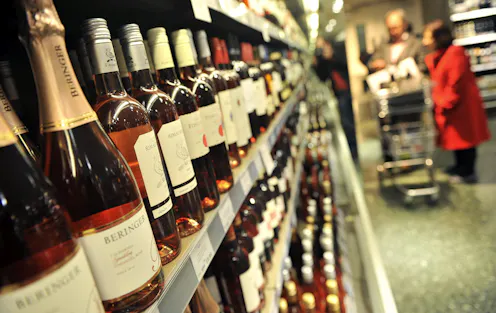
A 2018 ruling that alcohol should be no cheaper than $1.30 per unit resulted in sales of cask wine - the most problematic drink for Darwin and the wider Northern Territory - to fall by half.

Drinking guidelines are based on the levels of alcohol consumption the latest research says can be harmful. But these guidelines don’t necessarily suit the alcohol industry.

The steady flow of politicians and government staffers switching sides to lobby for powerful food, alcohol and gambling companies is a threat to public health.

Rates of unwelcome advances haven’t changed under Queensland’s ‘Tackling Alcohol-Fuelled Violence’ policies. In one entertainment district, it happened to 26% of women the night they were interviewed.

Even after ‘Tackling Alcohol-Fuelled Violence’ policies took effect in 2016, Queenslanders still drink more heavily on nights out. Reported levels of aggression are higher than in other states too.

A comprehensive two-year evaluation of statewide measures introduced in 2016 has shown it’s possible to reduce alcohol-related violence while also producing economic benefits.

A program aimed at getting people home safely has cost A$300 million but has had little impact, aside from increased intoxication in CBD venues. Rates of assaults and road crashes are much the same.

Banning orders can encourage personal responsibility and demonstrate that anti-social behaviour will not be tolerated.

A new study has revealed heavy episodic drinking doubles the risk of family and domestic violence.
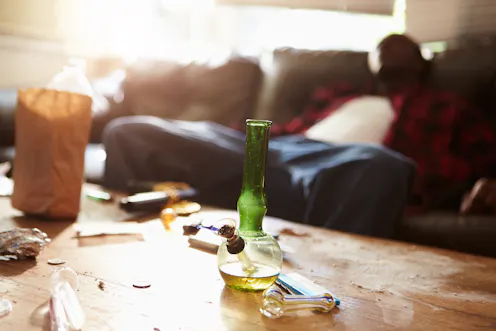
The challenge is to intervene before users hit crisis point. A Hawaii-based program does just this and has achieved substantial reductions in drug use. A similar scheme could work in Australia.
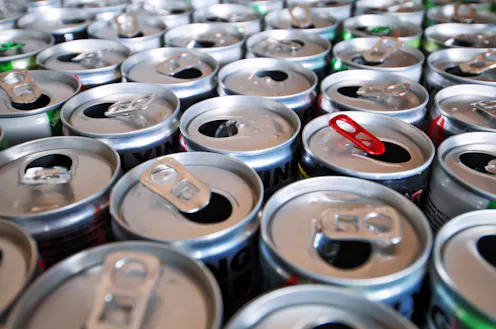
Given the heightened risk of harm, governments should ban the sale of energy drinks to anyone under the age of 18 years old.
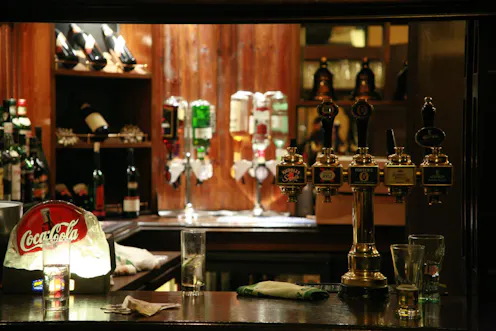
The Queensland government has said it will push ahead with its plan to introduce lockouts and 3am closing times for pubs and clubs. This is a good idea for patrons and businesses alike.

There is a lot of evidence showing that changing people’s drinking hours and consumption patterns reduces violence and hospital admissions.

Two months after the death of 18-year-old Sydney man Daniel Christie, who was punched to the ground on New Year’s Eve, New South Wales Premier Barry O’Farrell introduced a set of measures aimed at improving…
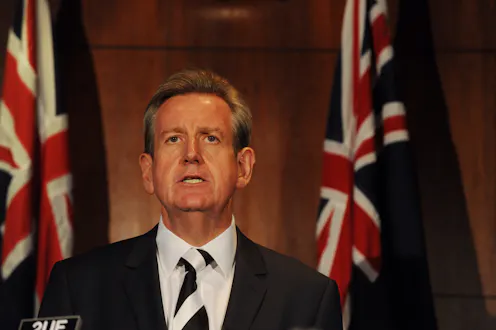
Major changes to a range of liquor licensing and sentencing laws in Sydney’s CBD have come at the end of the media storm that emanated from the senseless attack on Daniel Christie and his subsequent death…

The start of 2014 has seen a tragic, but sadly predictable discussion around Australia about lives lost or hanging in the balance due to violence. All of the high-profile cases involved alcohol. These…

So you’re back from up the country, Mister Lawson, where you went, And you’re cursing all the business in a bitter discontent; Well, we grieve to disappoint you, and it makes us sad to hear, That it wasn’t…

Heavy drinkers are mixing alcohol with energy drinks to enable them to drink longer and get more drunk. While the trend is concerning many public health researchers – because the risks remain unknown…

In a series of recent papers, our research team has documented the impact of community interventions at reducing alcohol-related harm in the Geelong region in Victoria. What we found was that despite the…
Contact Peter for
- General
- Media request
- Speaking request
- Consulting / Advising
- Research collaboration
- Research supervision
- Location: Geelong, Australia
- Website
- X (formerly Twitter): @peter_g_miller
- Article Feed
- ORCID
- Joined
