
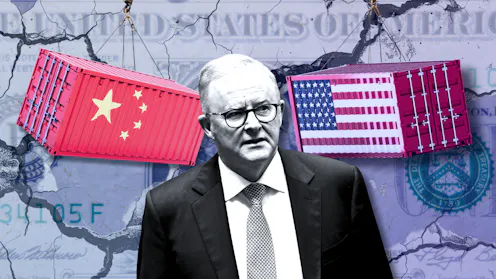
Australia’s best defence isn’t to retreat from open trade, but to strengthen and diversify the rules-based system that supports it.
- Professor, and Executive Director: Institute for International Trade, and Director of the Jean Monnet Centre of Trade and Environment, Adelaide University

A landmark trade deal is within reach - but could still fall over if one quota can’t be agreed.
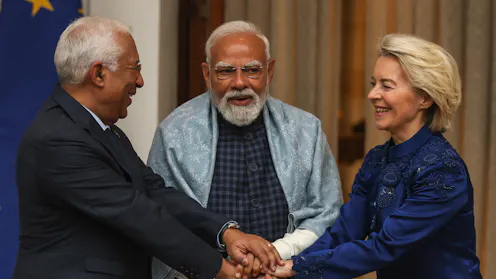
The new agreement will affect the lives of 2 billion people across economies representing about a quarter of global GDP.
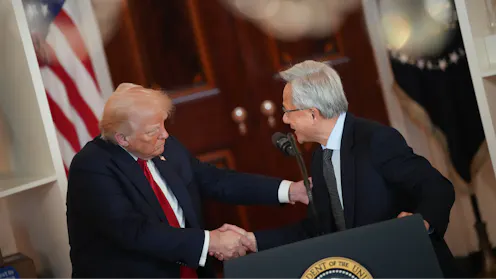
Trump appears to be transforming strategic national security decisions into transactional deals where everything has a price.
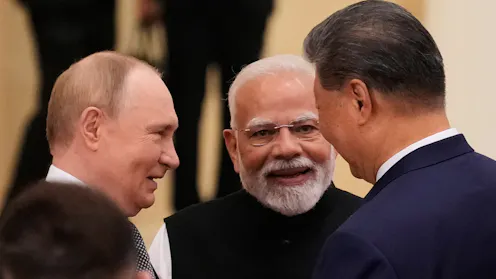
The old system of US-led multilateralism has ended. What will replace it remains unclear.
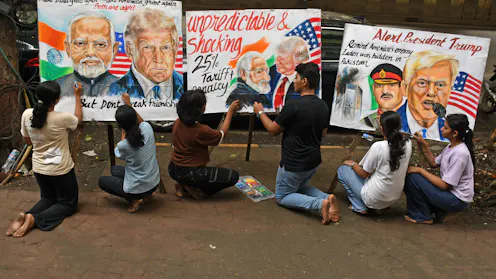
When keeping score, you aren’t supposed to add ‘own goals’ to your own tally.
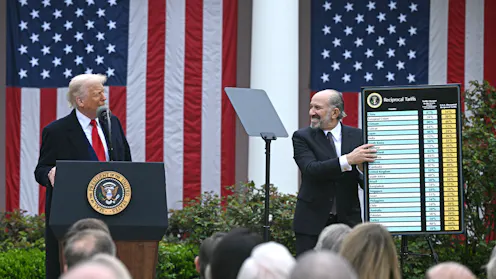
Trump believes the United States holds all the cards in trade talks. That’s not necessarily the case.
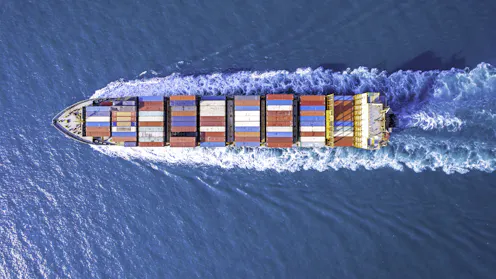
Amid the chaos of Trump’s tariff wars, there is an opening for Australia to seize the moment with new trade partnerships.
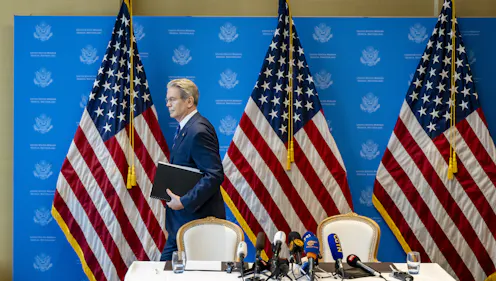
Negotiations will continue while lower tariff rates are in place for 90 days. But free trade belongs to a bygone era.
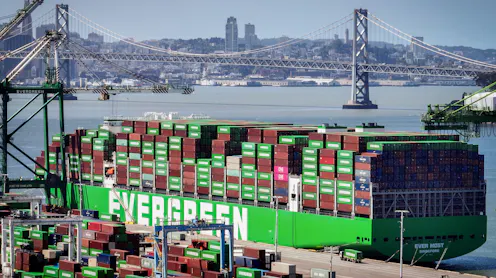
To calculate its ‘reciprocal tariffs’, the Trump administration has opted for a crude formula with no basis in trade theory. We are all going to pay the price.
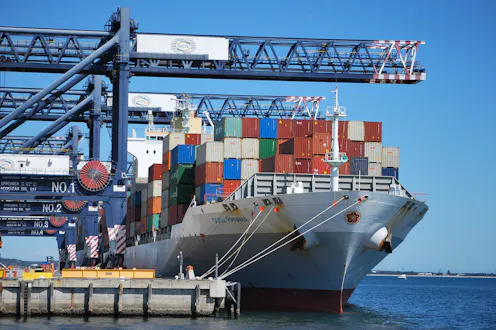
Last week’s lifting of tariffs on lobster brought a particularly nasty chapter in Australia-China trade relations to a close. But zooming out paints a more sobering picture of global trade.

Opening Australia up to the South Pacific before the rest of the world would provide practical aid that Australia’s rivals cannot.
Contact Peter for
- General
- Media request
- Speaking request
- Consulting / Advising
- Research collaboration
- Research supervision
- Location: Adelaide, Australia
- Website
- Article Feed
- ORCID
- Joined
