
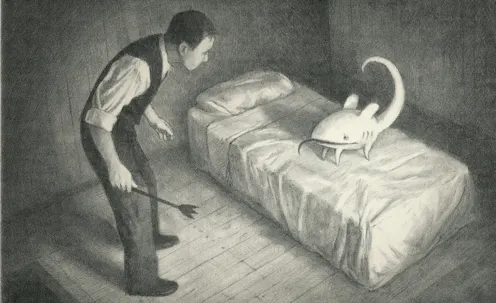
Shaun Tan’s groundbreaking graphic story, The Arrival, counters the dangerous fantasy of a homogeneous (white) Australia – and invites us to inhabit the other.
- Senior Lecturer, Literary Studies and Creative Writing, Monash University
So, you’ve written a book, or you’re writing one. What next? Looking for a publisher can feel overwhelming, but we asked some experts for solid advice to guide you.
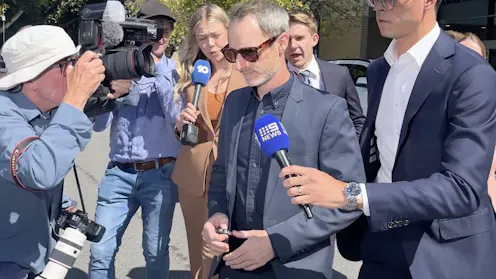
What do we tell a young person asking why their favourite book has disappeared – or why it hasn’t? A children’s writer wrestles with how to handle Craig Silvey’s books.
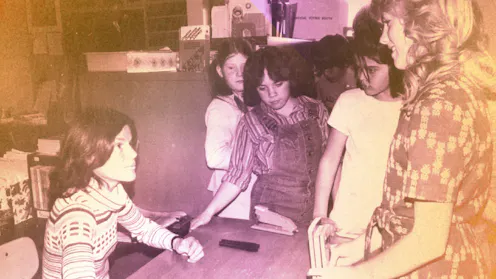
Children’s writer Penni Russon grew up reading Judy Blume. She read her biography trying to find the person she knew intimately from her novels.
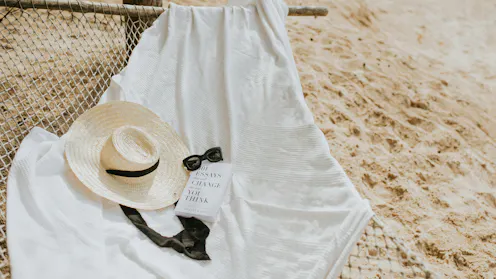
New year’s reading resolutions are a fun way to take your reading seriously. Here are some ideas – from no phones before bed, to deep diving into one author’s work.
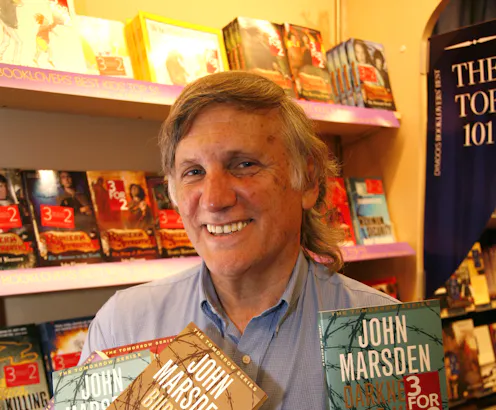
John Marsden, the bestselling author of the Tomorrow series (and more than 40 books altogether) has died. His difficult early life fed his many decades of writing for young people and teaching them.
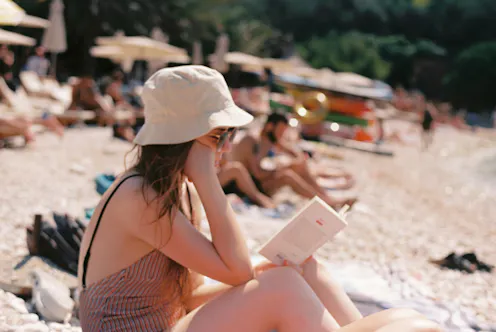
Your perfect summer read might be a paperback romance or crime book, a fat biography, or that classic you always meant to read. Our avid readers picked a wide range of books.
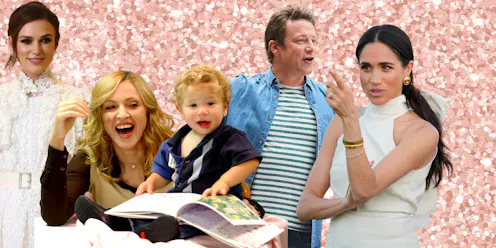
Celebrity children’s books are a recurring phenomenon – from Jamie Oliver and Keira Knightley to Meghan Markle and Jimmy Barnes. But writing for children is harder than it might look.
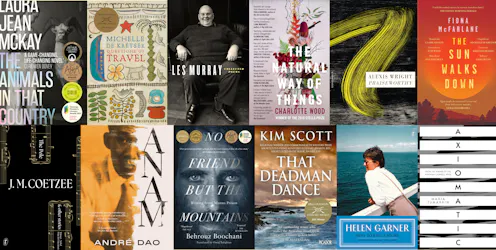
We were dismayed to see no Australians on the New York Times Best Books of the 21st Century – so, with the help of 50 experts, we created our own, all-Australian list. You can have your say, too!
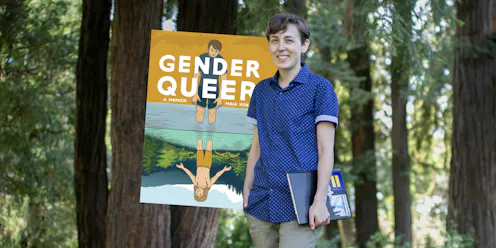
Australia has a long history of book banning organised by Christian associations and churches. A federal court appeal attempt to ban graphic memoir Gender Queer is still to be considered this year.
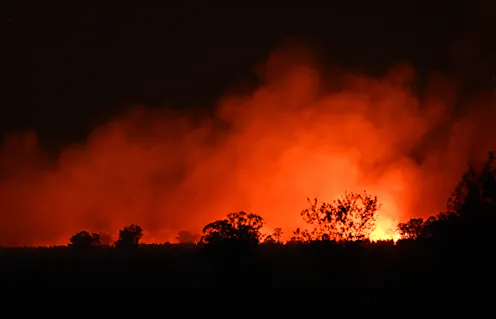
Bigambul and Wakka Wakka author Melanie Saward’s Burn is structured around three fires. It bears witness to the role institutions play in exacerbating trauma associated with colonialism.
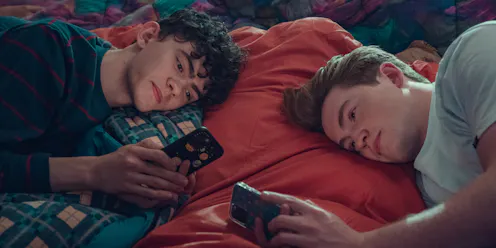
Heartstopper is a celebration of ‘queer joy’ that uses the imaginative intimacy of graphic novels to invite the reader into its tight-knit world.
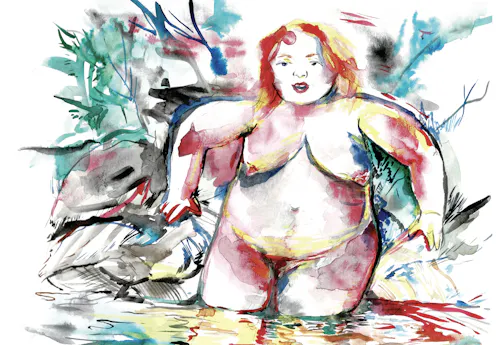
Two radically inventive new works of Australian graphic nonfiction dig deep into 21st-century life. They balance critique with hopeful possibilities – of collective change and radical acceptance.
Contact Penni for
- General
- Media request
- Speaking request
- Consulting / Advising
- Research collaboration
- Research supervision
- Location: Melbourne, Australia
- Article Feed
- ORCID
- Joined
