
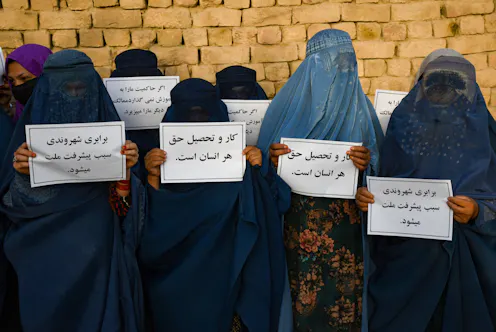
Légiférer sur l'apartheid pourrait offrir un soulagement crucial aux victimes et survivants qui, autrement, n'auraient pas de recours adéquat au niveau international.
- Professor of Law, New York Law School
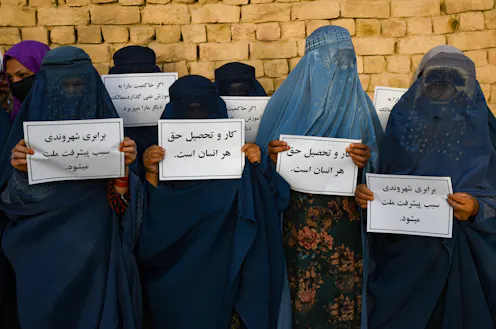
Codifying apartheid could offer significant relief to many victims and survivors who otherwise would not be entitled to adequate recourse from the international community.

A judicial commission into state corruption found that the Gupta family influenced former President Jacob Zuma’s political decisions.
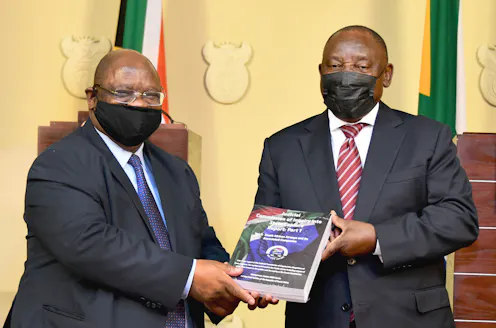
Most South Africans believe the report into state capture must be followed up to ensure that those responsible for rampant corruption are held accountable.
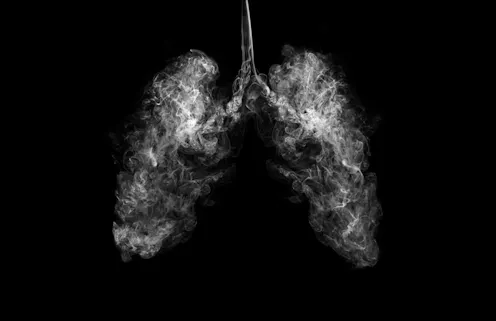
Class action is a newish feature within South Africa’s legal landscape. Cases such as the silicosis matter are likely to influence many more.

Past cases indicate that verbal crimen injuria is not that serious. But a landmark sentence in South Africa has changed that.
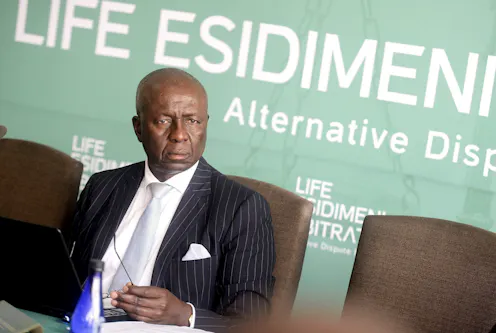
Arbitration hearings into the deaths of mentally ill patients has brought to light shocking cruelty and neglect on the part of South African officials.
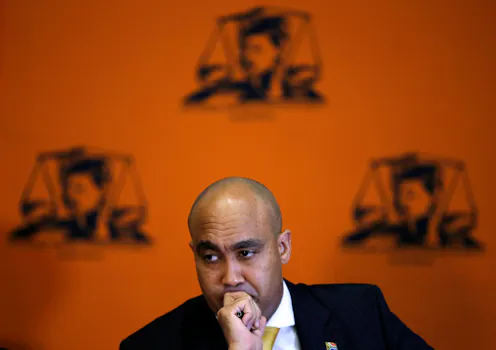
Failure by South Africa’s prosecuting authority to pursue those identified in the ‘Gupta e-mails’ points to dereliction of its duty.

Some signs seem to suggest that students studying law are prone to mental health problems and substance abuse.
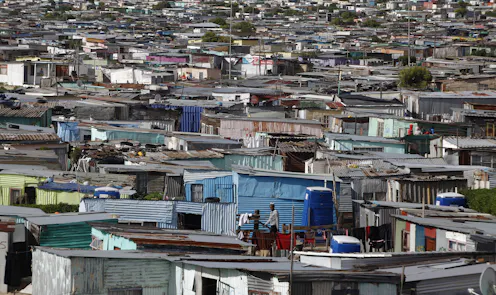
Has South Africa’s constitutional project failed? Is the country’s constitution an obstacle to meaningful redistribution and land reform?
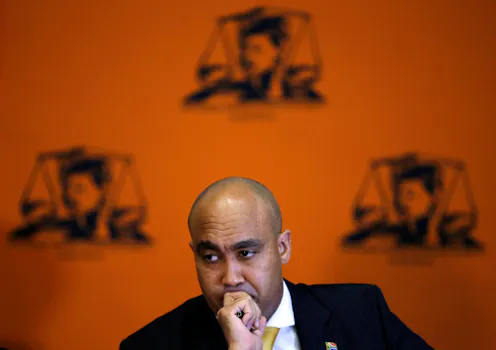
South Africa’s National Prosecuting Authority charged the country’s finance minister Pravin Gordhan and two of his former colleagues at the tax authority, Ivan Pillay and Oupa Magashule, with fraud last…
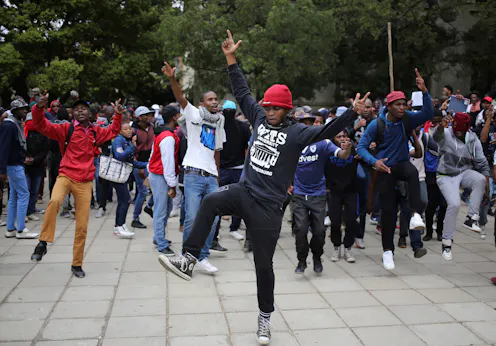
Student protesters have demonstrated good leadership in some spheres but come up short in other areas. This suggests that universities ought to focus more on how they teach leadership.
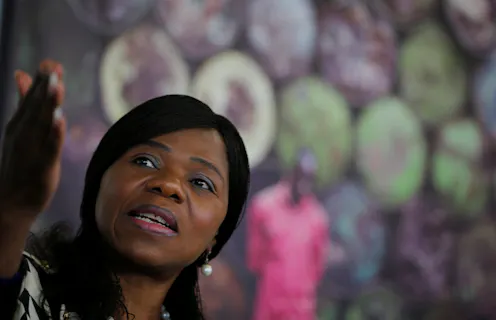
In many ways the office of the Public Protector has become the barometer of the state of South Africa’s constitutional democracy.

The ghost of ‘Khwezi’ – the woman who accused Jacob Zuma of rape in 2006 – continues to haunt him, just as the spectre of rape continues to haunt South Africa.
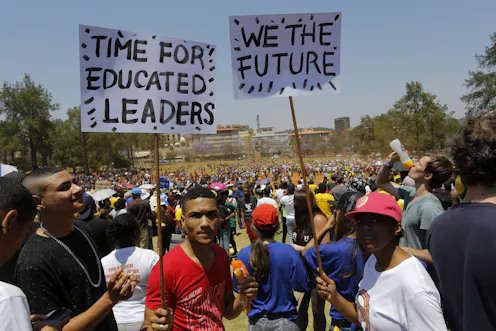
South Africa’s university students have shown that they can have an impact on the political landscape. That’s why it’s so important that they exercise their right to vote.
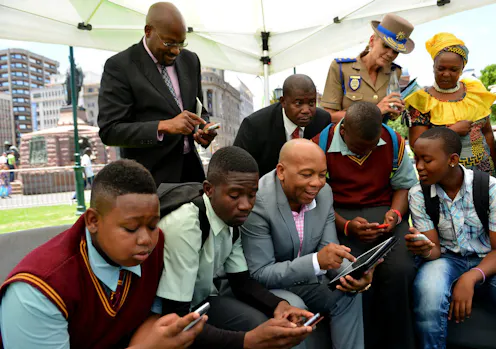
That South Africa has voted against rights enshrined in its globally celebrated, progressive constitution suggests a troubling indifference to its human rights commitments.

South Africa needs to build a mental infrastructure that will allow people to individually and collectively engage in a bold, courageous and trutfhul dialogue.
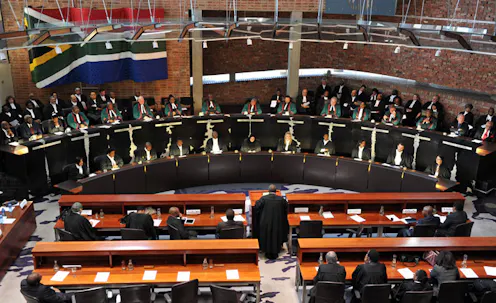
For law faculties, the transformative vision embodied in South Africa’s constitution provides a potent driver for change. So what does a transformed law faculty look like?
Contact Penelope for
- General
- Media request
- Speaking request
- Consulting / Advising
- Research collaboration
- Research supervision
- Location: New York, USA
- Website
- Article Feed
- Joined
