

There are few signs that the Israeli government wants to bring the conflict Gaza to an end, despite pressure from many of its allies.
- Professor of Peace Studies, University of Bradford
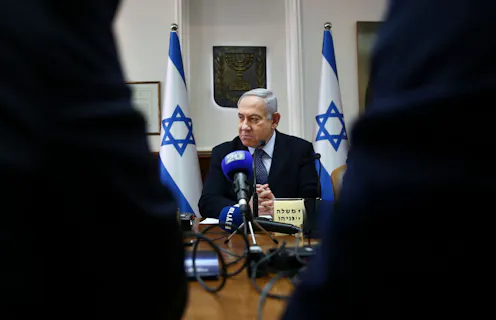
If there is ever to be a more peaceful coexistence between Israel and Palestine, then the position of hardline Israelis has to be recognised.

Hopes for progress on reaching a deal for a ceasefire in Gaza have faded quickly.

All indications are that Hamas is surviving the Israeli onslaught more successfully than previously anticipated.
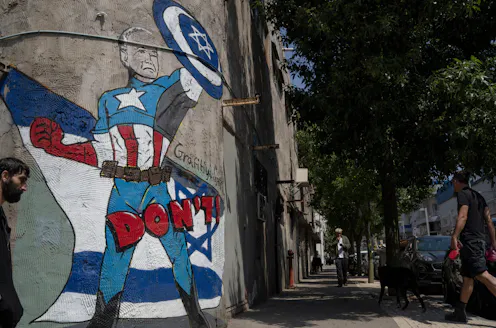
In recent weeks, as thousands died and the threat of famine settled over Gaza, the relationship Israel and its western allies had started to fracture. Iran’s attack appears likely to change that.

History tells us that the White House and the Pentagon have been able to wield a degree of influence over Israel’s decision-making.
A história está repleta de exemplos que mostram por que uma guerra terrestre em Gaza é uma má ideia - mas será que o governo de Netanyahu está ouvindo?
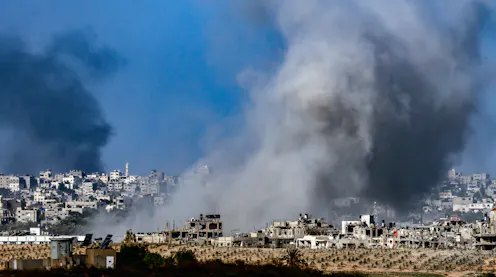
History is full of examples that show why a ground war in Gaza is a bad idea – but is the Netanyahu government listening?

Recent events have put pressure on the formerly strong relationship between the US and Israel.
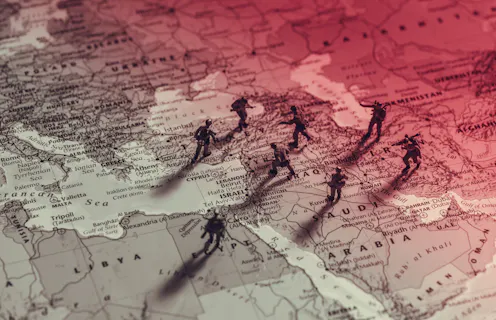
There are big power plays afoot in one of the world’s most contested and unstable regions.
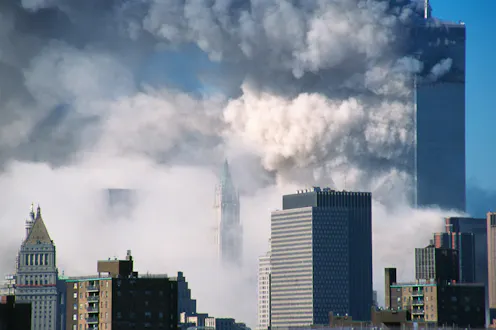
It was the day the US realised it was fighting a different kind of war.

The conflict with Palestinians that has exploded again is a constant threat that even the most advanced weaponry can’t assuage.
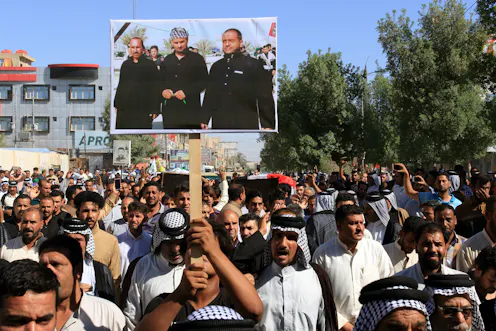
The wars against Islamic State and al-Qaida show that military responses may seem to work in the short term but don’t change much in the long run.
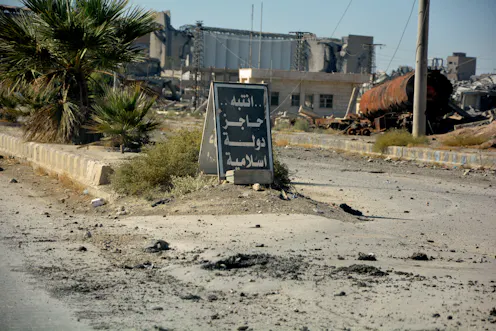
What lies ahead for IS after Mosul, Raqqa and tens of thousands of casualties?
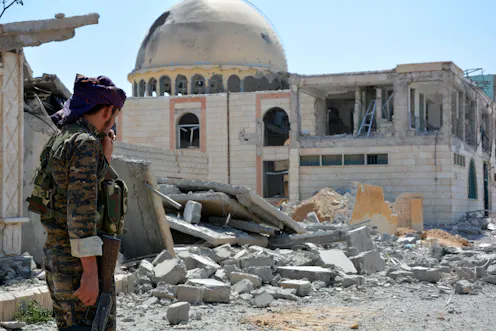
The sustained assault on IS’s two main strongholds could be followed by years of local and global insurgency.
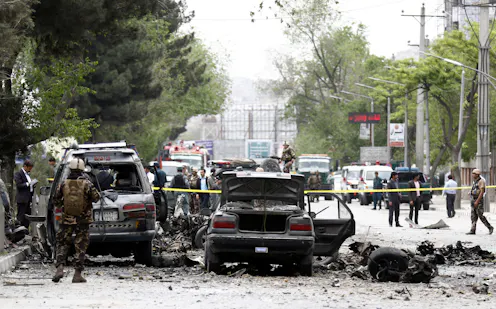
The West’s strategy in Afghanistan has demonstrably failed. Is the stage now set for a much more intense war?
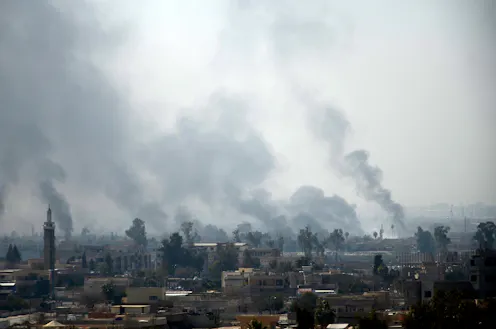
What was supposed to be a glorious triumph for Iraq has turned into an exhausting war of attrition.
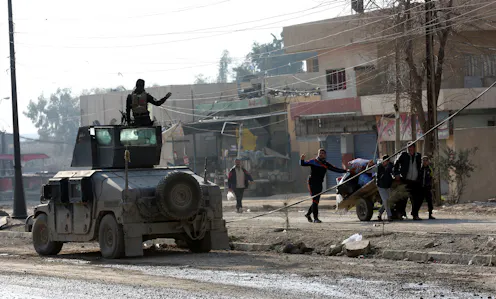
Could the Iraqi army’s banner offensive against IS tear it apart?
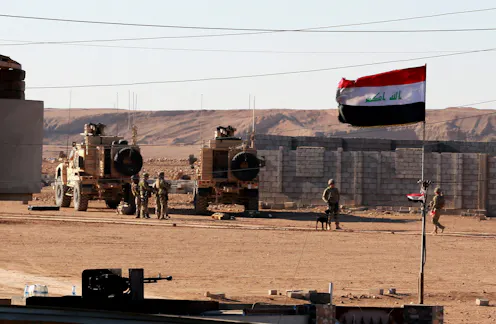
Initially heralded as the beginning of the end for IS, the effort to take back Iraq’s second city is flailing.
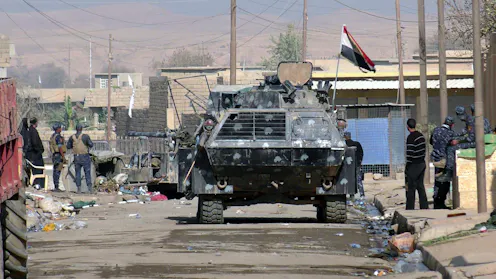
Guerrilla tactics are hampering the advance into Iraq’s northern capital.
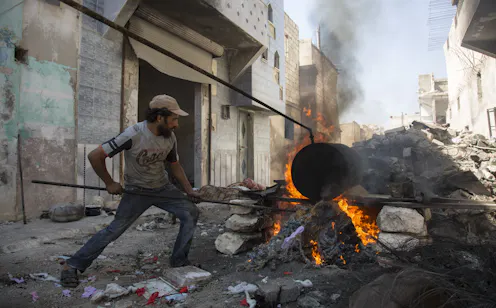
As a new cessation of hostilities comes into force, Russia’s influence over the Syrian conflict is deepening.
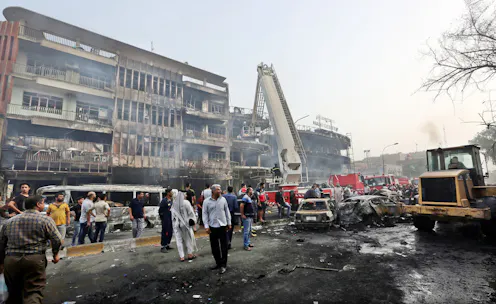
Too many people still believe that Iraq collapsed because there was no plan for it; others think the West has learnt from its mistakes. Wrong and wrong.
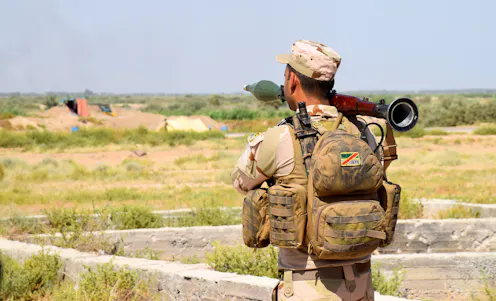
Fallujah has been an icon of Sunni resistance ever since the US bombed it in 2004.
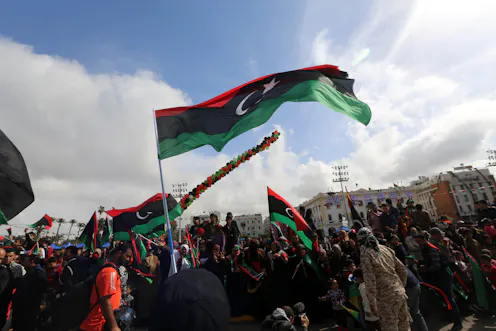
As Libya falls further into chaos, the US has agreed to back the new government’s request to lift an arms embargo against it.
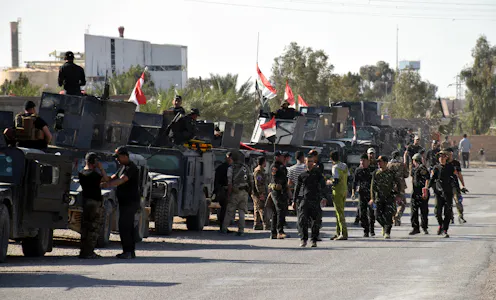
The Obama administration likes to say it won’t put “boots on the ground” in Iraq – but that’s increasingly at odds with reality.
Contact Paul for
- General
- Media request
- Speaking request
- Consulting / Advising
- Research collaboration
- Research supervision
