

New research shows that for every 10 boys identified with autism, only about two girls in a comparable situation were identified.
- Director, Institute for Social and Health Equity, University at Albany, State University of New York

The achievement gap in reading is evident by students’ first year of school, according to a new study – making early intervention all the more important.

Achievement gaps between white, Black and Hispanic students can be substantially explained by one factor: Their family’s socioeconomic status.

Calls to increase the diversity of the teacher workforce are unlikely to meaningfully address large racial and ethnic educational inequities, at least not during elementary school.

By kindergarten, white and Asian students are three to four times as likely as Black and Hispanic students to display advanced math skills.

ADHD diagnoses are on the rise, a trend that might in part be driven by overdiagnosis. A new study finds that white children are especially likely to be overdiagnosed and overtreated for ADHD.

Children who are bullied in school are at higher risk for depression and anxiety later in life.

Too much screen time doesn’t leave enough time for other important parts of growing up. Predicting which little kids will likely grow into heavy tech users could help target educational campaigns.

State governments are leading the charge against opioid makers over their role in the epidemic. A team of researchers at Penn State examined just how much the crisis has cost them.
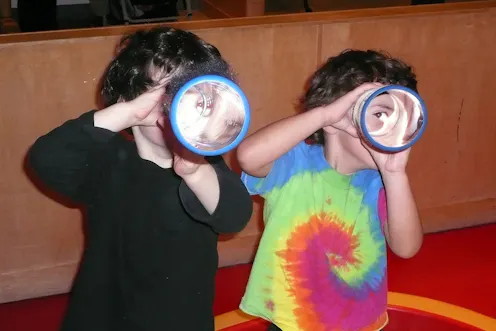
A ‘leaky STEM pipeline’ keeps many women, racial and ethnic minorities as well as adults from low-income families from pursuing STEM careers. How early do these leaks begin?
Contact Paul for
- General
- Media request
- Speaking request
- Consulting / Advising
- Research collaboration
- Research supervision
- Location: Albany, New York, U.S.
- Website
- X (formerly Twitter): @PaulMorganPhD
- Article Feed
- ORCID
- Joined
