
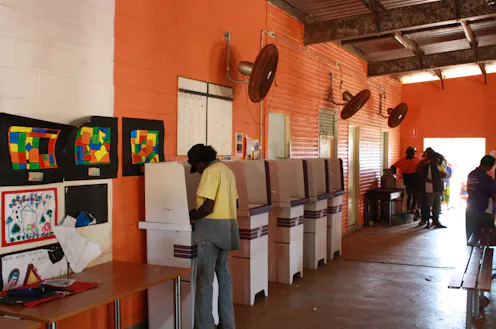
From a legal standpoint, there is a difference between a state and a territory, and for some that justifies giving territory voters less say over changes to the national constitution.
- Associate Professor, Faculty of Law & Justice, UNSW
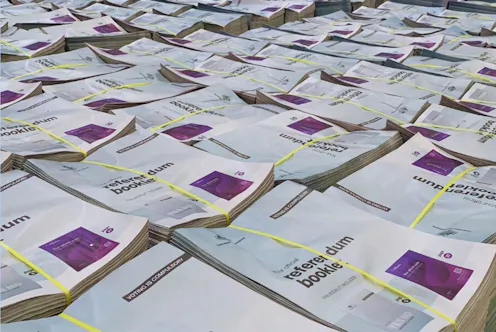
The “yes” and “no” cases have outlined their arguments to be sent out to Australian voters. Here, legal experts examine the claims by both sides to see if they stack up.
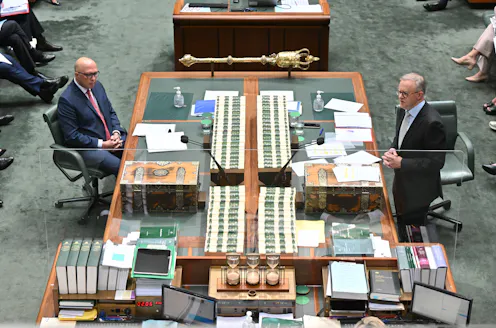
Legislation is an unsatisfactory way to institute a Voice to Parliament because, among other reasons, it would make the body insecure and vulnerable to the whims of different governments.
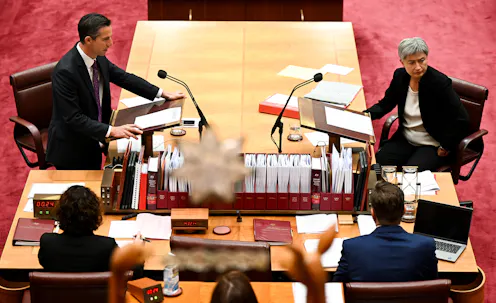
The bill that has passed through the Senate provides for a robust referendum, although there is still room for improvement.
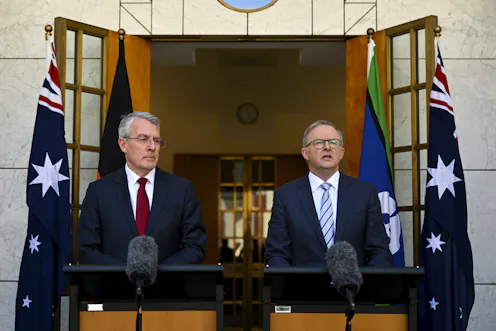
The Albanese government wants to change the way referendums work ahead of the Voice to Parliament vote. There are still flaws, but it is a step in the right direction.
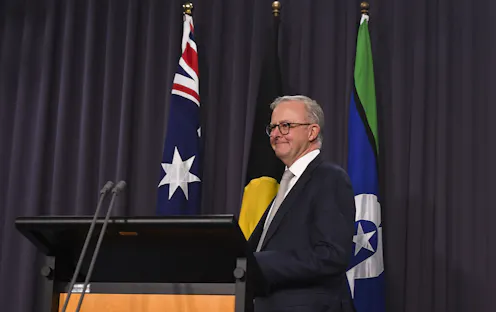
The Albanese government is moving towards a referendum having Australia voting on a First Nations Voice to Parliament. So how much detail should voters have about the Voice?
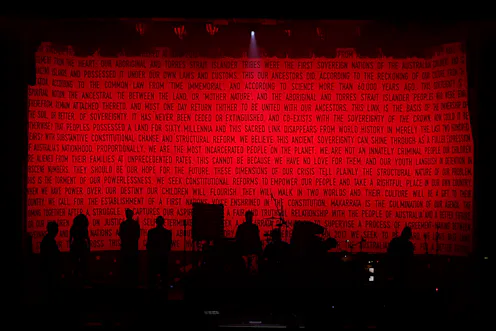
Prime Minister Anthony Albanese announced Labor’s commitment to the Uluru Statement from the Heart. This means there may soon be a First Nations Voice to Parliament. However there is a journey ahead.
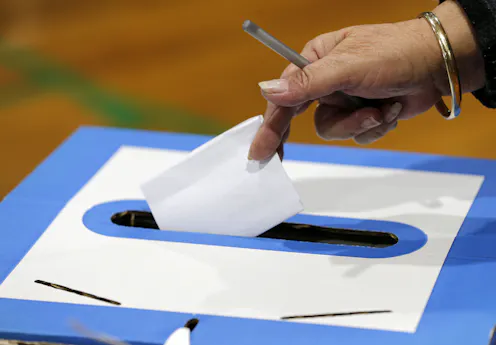
The federal government rarely holds policy referendums. But research shows they are more common in the states and territories, and voters are more amenable to them than politicians might believe.
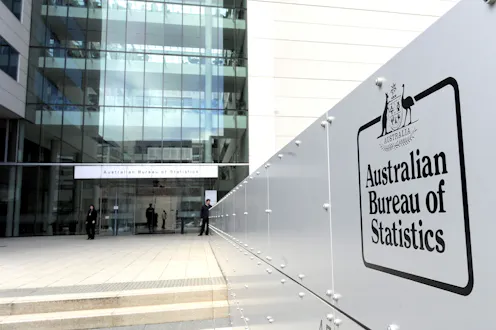
The key question in a legal challenge to the ‘postal plebiscite’ is whether information about Australians’ opinions on same-sex marriage constitutes ‘statistical information’.
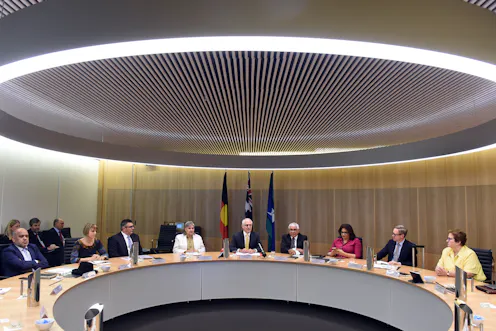
The longer the process of recognising Indigenous Australians in the Constitution goes on, the more debate is likely to split and fracture.
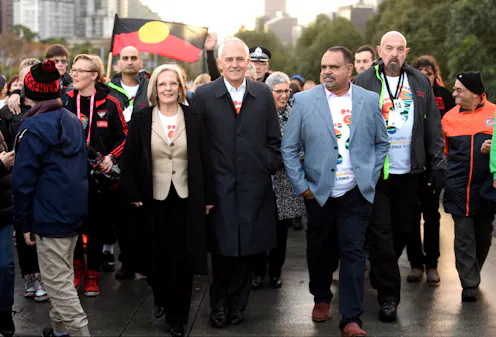
If we are to have a mature and sensible debate on Indigenous recognition, we must be more willing to embrace difficult issues and diverse perspectives.
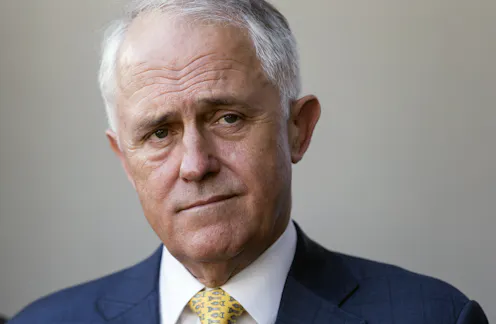
Malcolm Turnbull’s bold plan to give states the power to levy income tax is a risky move, and the latest in a string of attempts to ‘fix’ federal-state relations that have not succeeded.
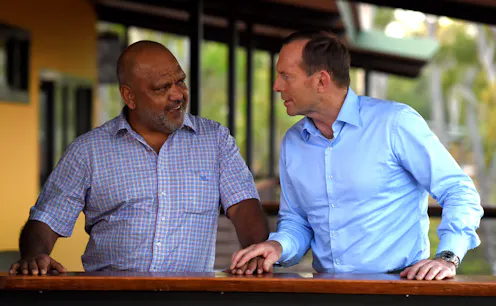
Tony Abbott’s rejection of Indigenous-only conventions need not derail the push for constitutional recognition. But it demonstrates just how crucial sound process is to achieving change.
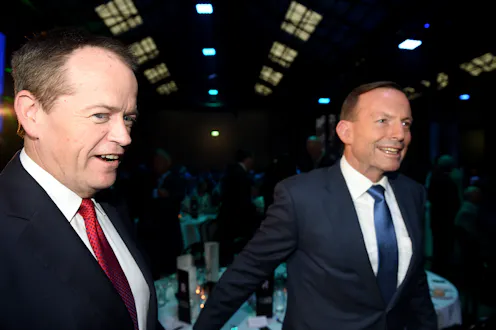
The parliamentary committee’s report highlights the deep division between those who want to advance Indigenous recognition through minimal constitutional change and those who seek more substantive reform.
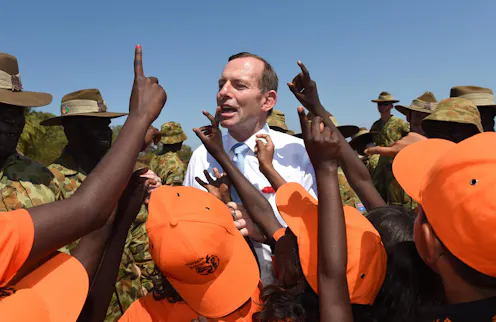
Important steps have been made in 2014 in the campaign to recognise Aboriginal and Torres Strait Islander peoples in Australia’s Constitution. Prime Minister Tony Abbott affirmed his commitment to hold…
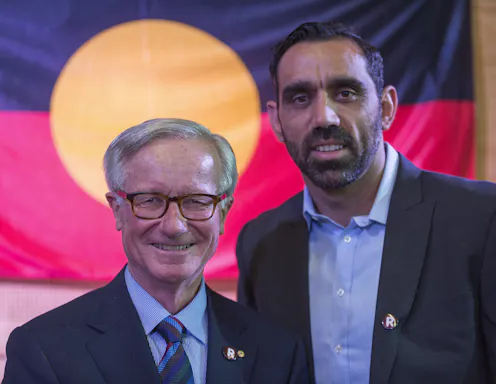
Australia has taken another step towards constitutional recognition of Aboriginal and Torres Strait Islander peoples. The Joint Select Committee on Constitutional Recognition of Aboriginal and Torres Strait…
Many of the nation’s most pressing problems cannot be met by any one government acting alone. Reforms to health, the environment, education, Indigenous disadvantage, taxation, business regulation and water…
Contact Paul for
- General
- Media request
- Speaking request
- Consulting / Advising
- Research collaboration
- Research supervision
- Location: Sydney, Australia
- Website
- X (formerly Twitter): @paulkildea
- Article Feed
- ORCID
- Joined
